A pollinator garden is a patch of native flowers that feeds bees, butterflies and moths from spring to fall. You can start with a 4 by 8 foot bed or a few pots on a balcony. Here's how to pick native plants for your region, start them from seed or plugs, feed caterpillars as well as adults, and skip the pesticides.
By Colin B. · Published November 19, 2026 · Last reviewed November 19, 2026
A wildflower seed mix, a packet of milkweed seed and a hand trowel come to about $40. Add a soil knife, a watering wand and a mason bee house with spare tubes for about $120. Native plant sales and plugs from local nurseries cost extra.
We earn commission when you buy through links on this page, including
Amazon. See our affiliate disclosure.
Price tiers and budget totals shown above are editorial estimates;
actual prices vary.
At a glance
Our top pick in each category
The fastest path through this guide — each best-starter pick by category.
Scroll for the budget and upgrade alternatives.
Go native and local. Bees and butterflies evolved with the plants that grow wild near you. Look up your region on the Audubon or Pollinator Partnership lists before you buy anything. A purple coneflower that thrives in Ohio may struggle in Arizona.
Plan for three seasons of bloom. Pick at least three plants that flower in spring, three in summer and three in fall. Asters and goldenrod in fall feed bees and migrating monarchs when little else is blooming. Plant each kind in a clump of three or more so insects can find them.
Feed the caterpillars too. Butterflies need host plants for their young. Monarchs only lay eggs on milkweed. Swallowtails use dill, parsley and golden alexanders. Expect chewed leaves. That's the point.
Check plants for pesticides. Some garden center plants are treated with systemic insecticides like neonicotinoids that can harm bees. Ask the nursery, buy from native plant sales, or grow from seed. Then skip insecticide sprays in your own yard.
Seed is the cheapest way to fill a bed. Many native seeds need a cold, wet winter before they sprout, so sow in late fall or winter right on top of the soil. Read the species list before you buy. Many mixes on Amazon include non-native annuals like cosmos and cornflower that bloom fast but don't feed as many insects as natives. The best seed comes from regional native nurseries, so use these mixes as a quick start and add local plants over time.
Best starter
Eden Brothers
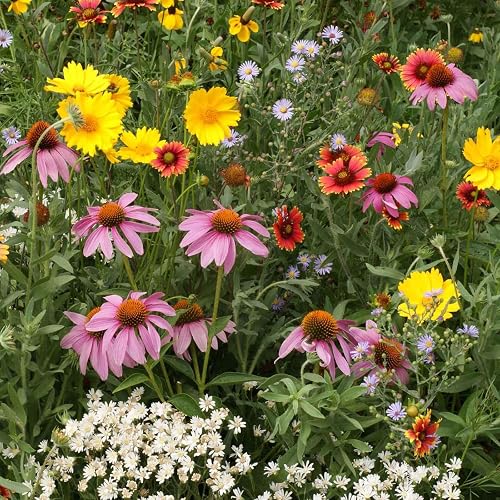
Native Perennial Wildflower Seed Mix, 1 oz, 19 Species
$11.99 as of Nov 19, 2026
★★★★★Our rating· In Stock
A mix of North American wildflowers such as coneflower, black eyed susan and lance leaf coreopsis. It's sold by the ounce or pound, so you can seed a small bed or a big patch. Check the listed species against your state's native list. Sold by EdenBrothers. About $11.99, 4.3 stars from 27 ratings.
A cheap bulk mix that blooms the first summer, so you'll see flowers while slower natives get going. It does include some non-native annuals. Good for filling gaps, pots or a spot where you want quick color. Sold by Seed Needs LLC. About $8.99, 4.2 stars from 9,042 ratings.
Monarch caterpillars only eat milkweed, so it's the one plant every pollinator garden should have. Butterfly weed is short, orange and does well in dry, sunny spots. Swamp milkweed is pink and likes wetter soil. Common milkweed is tall and spreads by roots, so give it room. Milkweed seed needs about 30 days of cold, damp stratification. Sow it outside in fall or chill it in the fridge in a damp paper towel.
Best starter
Outsidepride
Butterfly Milkweed Seeds, 500 Seeds
$7.49 as of Nov 19, 2026
★★★★★Our rating· In Stock
Asclepias tuberosa, the easiest milkweed for most yards. It grows 1 to 2 feet tall, stays in a clump and has bright orange flowers in summer. It hosts monarch caterpillars and feeds bees and butterflies. Sold by Outsidepride. About $7.49, 4.1 stars from 233 ratings.
Asclepias incarnata, a pink milkweed for wet or clay soil where butterfly weed would rot. It grows 3 to 5 feet tall and draws a lot of bees and swallowtails. Monarchs lay eggs on it readily. Sold by Outsidepride. About $7.49, 4.0 stars from 68 ratings.
Native plugs and small potted perennials go in with hand tools. You don't need a big shovel for a 4 by 8 foot bed. A trowel digs plug holes in loose soil. A soil knife, sometimes called a hori hori, saws through roots and cardboard and digs in hard ground. Look for a stainless blade, depth marks for planting bulbs and seed, and a handle that's easy to grip with gloves on.
Best starter
A.M. Leonard
Deluxe Soil Knife and Leather Sheath, 6 Inch
$47.60 as of Nov 19, 2026
★★★★★Our rating· In Stock
A stainless knife with one serrated edge, one sharp edge and depth marks on the blade. It cuts through cardboard mulch to plant plugs, splits root balls and pulls weeds. It's a favorite tool of landscapers. Sold by A.M. Leonard. About $48, 4.8 stars from 431 ratings.
A cast aluminum trowel with a comfortable grip and a pointed blade. Good for planting plugs in soft soil and scooping potting mix into containers. It's light and doesn't bend like cheap stamped trowels. Sold by Amazon. About $8.94, 4.8 stars from 8,549 ratings.
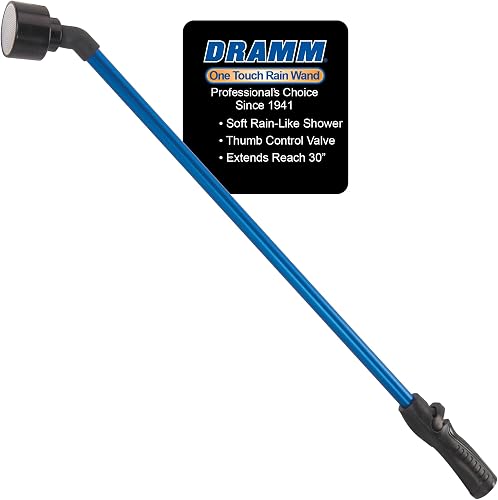
New plants need water every two or three days for the first month, then less as roots grow. After the first year, most natives only need water during a long dry spell. A watering wand puts a soft shower at the base of plants without washing away seed or knocking over seedlings. Water in the morning, soak the soil deeply, and skip the spray nozzle that blasts the bed.
Best starter
Dramm
One Touch Rain Wand, 30 Inch
$32.99 as of Nov 19, 2026
★★★★★Our rating· In Stock
A long wand with a gentle shower head that reaches the back of a bed without stepping on plants. The thumb valve lets you shut off water between plants. The soft spray won't wash away seed you just sowed. Sold by SellQor. About $33, 4.2 stars from 3,305 ratings.
A lower cost wand with several spray patterns and a padded handle. The shower setting works for seedlings and the stream setting reaches the bottom of pots. Fine for a small bed or a few containers. Sold by Amazon. About $21, 4.1 stars from 405 ratings.
About 30 percent of native bees nest in hollow stems and holes in wood. A bee house gives mason bees and leafcutter bees a place to lay eggs near your flowers. These bees are gentle and rarely sting. Mount the house 3 to 6 feet up on a wall that gets morning sun, with mud nearby for mason bees. Use removable paper tubes and replace them each year, because old tubes build up mites and fungus.
Best starter
POLLIBEE
Wax Coated Wooden Mason Bee House
$24.41 as of Nov 19, 2026
★★★★★Our rating· In Stock
A cedar house with a roof overhang and removable nesting tubes. The overhang keeps rain off the tubes and the tubes slide out so you can clean or replace them. It mounts on a wall or post with two screws. Sold by POLLIBEE. About $24, 4.4 stars from 494 ratings.
Paper tubes with liners sized for mason bees, made by a company that sells native bee supplies. Swapping in fresh tubes each spring keeps pests and mold down. They fit most bee houses with 5/16 inch holes. Sold by AukBeeFun. About $11.19, 4.6 stars from 177 ratings.
A pollinator garden starts with a sunny patch, a plant list and some patience. In a month you can pick your spot, clear it without chemicals, choose native plants for your region and get the first seeds or plugs in the ground. Here's a week-by-week plan.
Small and native beats big and showy. One well planned bed will bring in more bees than a yard full of garden center annuals.
Week 1: Pick the spot
Watch your yard for a day and find a place that gets at least 6 hours of direct sun. Most pollinator plants want full sun. Mark out a bed with string or a hose. 4 by 8 feet is a good first size. Dig a hole a foot deep and fill it with water. If it drains in a few hours, the soil is fine for most natives.
Mow the grass short. Lay flattened cardboard over the whole bed, overlapping the edges by 6 inches, and soak it with a hose. Cover it with 3 inches of shredded leaves or wood chip mulch. In fall this smothers the grass by spring. In spring, you can cut holes in the cardboard and plant straight through it.
Look up the native plant list for your ZIP code. Pick about nine kinds: three that bloom in spring, three in summer and three in fall. Add a milkweed for monarchs. Group each kind in clumps of three to five plants. Put tall plants like joe pye weed at the back and short ones like asters at the front.
In late fall or winter, scatter native seed on top of the mulch or bare soil and press it in with your feet. Don’t bury it deep. Snow and freezing will do the rest. In spring or early fall, plant plugs 12 to 18 inches apart and water them every few days for the first month. After that, most natives need water only in a drought.
Pick a spot that gets at least 6 hours of sun and measure a 4 by 8 foot bed. · Action
Cover the grass with flattened cardboard and 3 inches of mulch to smother it. · Action
Order a regional native seed mix and a few milkweed plugs for spring. · Buy
Learn which plants need cold stratification and sow them outside in late fall or winter. · Learn
FAQ
Common questions
When should I plant a pollinator garden?
Sow native seed in late fall or winter, since many need a cold, wet period to sprout. Plant potted perennials and plugs in spring or early fall, when the weather is mild and rain is steady.
How long until it fills in?
Native perennials sleep the first year, creep the second and leap the third. Plants from seed may only show leaves in year one. Plugs and potted plants usually bloom the first summer.
Can I grow a pollinator garden in pots?
Yes. Use containers at least 12 inches deep with drainage holes. Short natives like anise hyssop, butterfly weed, blanket flower and asters do well. Pots dry out fast, so water often in summer.
Is butterfly bush good for pollinators?
Adult butterflies drink from it, but it's not a host plant for any native caterpillars, and it's invasive in many states. Plant native options like joe pye weed, milkweed or buttonbush instead.
Should I cut back plants in fall?
Leave the stems and leaves until spring if you can. Native bees nest in hollow stems, and many butterflies and moths spend the winter in leaf litter. Cut stems back to 12 to 18 inches in spring.
JustBeginning earns commission from affiliate programs. As an Amazon
Associate, we earn from qualifying purchases. This costs you nothing
extra and doesn't change our recommendations.
Prices and availability are accurate as of the date and time
shown and can change; the price on Amazon when you buy is what
applies.
How this works.


 Best starter