Paper mache is paper strips and paste built up over a form until it dries hard. It costs almost nothing, and you can make bowls, masks, piñatas, puppets and big sculptures with it. Here's how to mix flour or glue paste, build forms from balloons, cardboard and wire, how many layers to use, how to dry it without mold, and how to prime, paint and seal the finished piece.
By Colin B. · Published November 19, 2026 · Last reviewed November 19, 2026
Newspaper, flour and a bottle of white PVA glue get you started for about $20 with balloons and masking tape. The typical setup adds blue shop towels for a smooth top layer, gesso, a set of acrylic craft paints, brushes and a matte sealer.
We earn commission when you buy through links on this page, including
Amazon. See our affiliate disclosure.
Price tiers and budget totals shown above are editorial estimates;
actual prices vary.
At a glance
Our top pick in each category
The fastest path through this guide — each best-starter pick by category.
Scroll for the budget and upgrade alternatives.
Start with what you have. Newspaper, flour, water and a balloon are enough for your first bowl or mask. Mix about 1 part flour to 1 or 2 parts water with a pinch of salt. Buy supplies after you know what you want to make.
Glue paste is stronger and doesn't attract bugs. Mix white PVA glue about 2 parts glue to 1 part water. It dries harder and clearer than flour paste and doesn't spoil, so mix a jar and keep it.
Plan for drying time. Each layer needs to dry before the next, often overnight. Use 3 or 4 layers for a bowl and 6 to 8 for anything that will be handled a lot. Dry pieces near a fan so they don't grow mold.
Tear the paper, don't cut it. Torn strips about 1 inch wide have soft edges that blend into a smooth surface. Run them in different directions on each layer for strength.
The gear
What you actually need
Paste and paper clay
Flour and water paste is free and works, but it can mold and attract bugs. White PVA glue thinned about 2 parts glue to 1 part water is stronger, dries harder and keeps for weeks in a jar. Paper mache clay is a different material. It's a thick pulp you spread or sculpt like clay, good for fine detail and for smoothing over strips.
Best starter
Elmer's
Glue-All Pourable Glue, 1 Gallon
$19.99 as of Nov 19, 2026
★★★★★Our rating· In Stock
A strong white PVA glue that thins well with water for paste. It dries harder than school glue and stays clear under paint. A gallon lasts through many projects. Sold by Amazon. About $19.99, 4.7 stars from 18,902 ratings.
A dry paper pulp you mix with water into a clay you can sculpt, press into molds or spread over strips. Good for faces, small details and smoothing seams. Sold by Amazon. About $22, 4.3 stars from 624 ratings.
The form is what you build on. Balloons make bowls, heads and round shapes. Cardboard, crumpled paper and tape make masks and flat shapes. Aluminum armature wire bends easily and holds a shape for legs, arms and tails. Plaster cloth is a fast way to make a stiff shell, like a face cast, before you add paper on top.
Best starter
PartyWoo
White Latex Balloons, 12 Inch, 100 Pack
$7.99 as of Nov 19, 2026
★★★★★Our rating· In Stock
A big pack of round 12 inch latex balloons, the easiest form for bowls, heads and piñatas. Thick enough to hold up under wet paper without popping early. Sold by PartyWoo Balloons. About $7.99, 4.5 stars from 10,751 ratings.
Soft aluminum wire that bends by hand and holds its shape. Use 1/8 inch for small figures and animals. It won't rust inside a damp sculpture the way steel wire can. Sold by VirVentures. About $23, 4.7 stars from 180 ratings.
Gauze strips with plaster in them. Dip in water, lay over a form, and they set hard in minutes. Good for a strong base layer or a quick face cast for a mask. Sold by Amazon. About $7.75, 4.6 stars from 1,042 ratings.
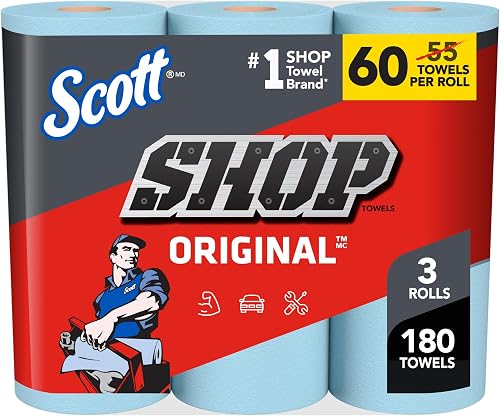
Newspaper is the classic. It's free and soaks up paste well. Plain newsprint works too and doesn't leave ink on your hands. For a smooth top layer, blue shop towels are hard to beat. They're strong when wet and leave a soft, even skin. Masking tape holds forms together and bulks out shapes before you start layering.
Best starter
Scotch
General Purpose Masking Tape, 1 Inch
$3.19 as of Nov 19, 2026
★★★★★Our rating· In Stock
Paste sticks to masking tape, so it's the tape to hold forms together and wrap armatures. Tears by hand. Buy a few rolls, since sculpture eats a lot of it. Sold by Amazon. About $3.19, 4.7 stars from 7,710 ratings.
The blue shop towels sold for garages make a strong, smooth final layer. They soak up paste, stretch around curves and hide strip edges. Many sculptors swear by them. Sold by Amazon. About $10.87, 4.8 stars from 174 ratings.
Plain, unprinted newsprint on a roll, if you don't get a paper or don't want ink on your hands. Same texture as newspaper. Also good for covering your table. Sold by Corebuy. About $24, 4.6 stars from 107 ratings.
Paint straight on newsprint and the text shows through. Brush on one or two coats of gesso first to make a clean white surface. Acrylic craft paints are cheap, dry fast and come in every color. Once dry, seal with Mod Podge or a water-based varnish to protect the paint from dust and fingerprints and make the piece a little water resistant.
Best starter
Plaid
Apple Barrel Acrylic Craft Paint Set, 18 Colors
$18.07 as of Nov 19, 2026
★★★★★Our rating· In Stock
A big set of cheap, matte acrylic craft paints in 2 oz bottles. Plenty for bowls, masks and figures, and easy to mix. Water cleanup, so brushes rinse in the sink. Sold by Amazon. About $18.07, 4.8 stars from 33,412 ratings.
A white acrylic primer that covers newsprint and gives paint a slightly rough surface to grip. Colors look brighter on gesso than on bare paper. A 16 oz jar lasts a long time. Sold by Amazon. About $10.99, 4.8 stars from 10,686 ratings.
A brush-on sealer and glue that dries clear with a soft matte finish. Two coats protect painted paper mache from dust and fingerprints. Also works to glue tissue paper on top. Sold by Amazon. About $3.99, 4.8 stars from 25,527 ratings.
Paper mache is cheap, forgiving and slow in a good way. A month is enough to mix paste, make a balloon bowl, build a mask on a cardboard form, try a wire armature and paint and seal your work. Here's a week-by-week plan.
Most of paper mache is waiting for things to dry. Work on two pieces at once so you always have one ready for a layer.
Week 1: Paste and a balloon bowl
Mix glue paste, about 2 parts white glue to 1 part water, in a jar. Blow up a balloon and set it in a cup. Dip a torn newspaper strip, squeeze off the extra between two fingers, and lay it flat on the balloon. Cover the bottom half, then add 3 more layers, switching direction each time. Dry it overnight by a fan between layers, then pop the balloon.
Cut a face shape from cereal box cardboard. Build up a nose, brow and cheeks with crumpled paper and masking tape. Cover it with 6 layers of strips. Use smaller pieces around the nose and eyes so they lie flat. Make the last layer from blue shop towels. They’re soft, strong and give a smooth skin.
Bend aluminum armature wire into a simple animal or figure. Wrap it with crumpled foil or newspaper and masking tape to bulk out the body. Tape it tight so nothing shifts. Then cover it in strips the same way. Wire lets you make legs, tails and arms that a balloon can’t.
Sand any rough edges lightly. Brush on a coat or two of gesso to hide the newsprint and give paint something to grip. Paint with acrylics, thin coats first. Once the paint is dry, seal it with Mod Podge or a water-based varnish. Two coats protect it from dust and fingerprints.
Beginners get pressured to buy a lot of stuff that doesn't help them play
better. Here's what we'd skip on day one.
Paper mache clay — It's great for fine detail and sculpture. Learn strips and paste first, then try it on your second or third project.
An airbrush — Brushes and acrylic craft paint cover a bowl or mask fine. Airbrushes are for big, smooth gradients.
Epoxy resin finishes — Mod Podge or a water-based varnish seals most pieces. Resin is messy and needs ventilation.
Fancy art papers — Newspaper and blue shop towels do almost everything. Save tissue or rice paper for decorative top layers.
First week
Your first seven days
A short, real plan to get from gear-on-doorstep to actually playing.
Mix a small batch of flour paste and a small batch of glue paste, and try both on scrap cardboard. · Action
Tear a stack of newspaper into 1 inch strips and a few smaller pieces for curves. · Action
Blow up a balloon and cover the bottom half with 3 layers to make a bowl. · Action
Learn how to dry pieces fast with a fan so they don't mold. · Learn
Buy gesso and a basic set of acrylic craft paints for finishing. · Buy
FAQ
Common questions
What is the best paste for paper mache?
For beginners, white PVA glue thinned about 2 parts glue to 1 part water. It dries hard, doesn't spoil and doesn't attract bugs. Flour and water paste is cheaper and fine for piñatas and kids' projects, but it can mold if pieces dry slowly.
How many layers of paper mache do I need?
Three or four layers for a bowl or a light decoration. Six to eight for masks, puppets and anything that gets handled. Piñatas need only two or three so they can break. Let each layer dry before adding the next.
How long does paper mache take to dry?
A single layer usually dries in 12 to 24 hours, depending on thickness and humidity. A fan cuts that a lot. The piece is dry when it feels room temperature, not cool, and sounds hollow when you tap it.
How do I stop paper mache from molding?
Dry it fast with a fan or in a warm room, and keep layers thin. Add a pinch of salt to flour paste, or use glue paste instead. Never seal a piece that still feels cool or damp inside.
Can paper mache be waterproof?
It can be water resistant, not fully waterproof. Prime with gesso, paint with acrylics, then seal with several coats of varnish or Mod Podge. A sealed bowl can hold dry things and be wiped clean, but don't soak it.
Jonni Good's paper mache site — Years of free tutorials and recipes, including her paper mache clay made with joint compound, glue and toilet paper.
Wikipedia: Papier-mâché — History of the craft, from Chinese and Persian work to Mexican cartonería and Japanese hariko.
JustBeginning earns commission from affiliate programs. As an Amazon
Associate, we earn from qualifying purchases. This costs you nothing
extra and doesn't change our recommendations.
Prices and availability are accurate as of the date and time
shown and can change; the price on Amazon when you buy is what
applies.
How this works.

 Best starter