Walleye are the fish people drive north for. They bite best at dawn, dusk and after dark, hold near the bottom, and make the best fillets in fresh water. Here's how to pick a medium-light spinning combo, the line and jigs that work, how to fish a jig and minnow or a live bait rig, when the spring opener happens, and what you need to land and clean them.
By Colin B. · Published November 19, 2026 · Last reviewed November 19, 2026
A medium-light spinning combo, a spool of 8 lb mono, a few jig heads, a pack of soft plastic minnows and two live bait rigs come to about $100. Add a few crankbaits, a landing net and a 7.5 inch fillet knife for the typical setup. Add your license and bait.
We earn commission when you buy through links on this page, including
Amazon. See our affiliate disclosure.
Price tiers and budget totals shown above are editorial estimates;
actual prices vary.
At a glance
Our top pick in each category
The fastest path through this guide — each best-starter pick by category.
Scroll for the budget and upgrade alternatives.
Fish low light. Walleye have eyes built for dim water. They feed hardest in the first and last hour of daylight, after dark, on cloudy days and in wind-stained water. Midday in clear, calm water is the toughest time, so plan trips around sunrise and sunset.
Stay near the bottom. Most walleye are caught within a foot or two of the bottom on points, rock reefs, weed edges and drop-offs. A jig you can feel tapping bottom, or a rig with a sinker that drags along it, is how you keep bait in the zone.
Pick one rod that does most of it. A 6'6" to 7' medium-light, fast-action spinning rod with a 2500 size reel and 8 lb line handles jigs, live bait rigs and small crankbaits. You can add a trolling setup later.
Check the season and limits. Many states close walleye fishing during the spring spawn and reopen with a fixed opener, often in May. Slot limits are common, like releasing all fish from 20 to 28 inches. You'll need a state license, and some lakes have their own rules.
Most walleye are caught on a 6'6" to 7' medium-light or medium spinning rod with a fast action and a 2500 size reel. The fast tip lets you feel a jig tap the bottom and see light bites, and the stronger lower section still sets the hook in a bony mouth. One rod like this covers jigs, live bait rigs and small crankbaits from shore or a boat.
Best starter
Ugly Stik
GX2 Spinning Rod and Reel Combo
$79.95 as of Nov 19, 2026
★★★★★Our rating· In Stock
A fiberglass and graphite rod that is very hard to break, with a matched reel already on it. The medium power handles 1/8 to 3/8 oz jigs, live bait rigs and crankbaits. A forgiving first rod. Sold by Amazon. About $80, 4.3 stars from 209 ratings.
A step up in reel quality, with a sturdier drag and smoother retrieve than most starter combos. You feel more of the bottom and more of the soft walleye bites. Pick a medium light or medium size. Sold by Amazon. About $91, 4.2 stars from 112 ratings.
A rod line made just for walleye, with models for jigging, rigging and trolling. Buy the 6'3" or 6'6" jigging model once you know you love it. Pair it with a 2500 size reel. Sold by Amazon. About $177, 4.0 stars from 14 ratings.
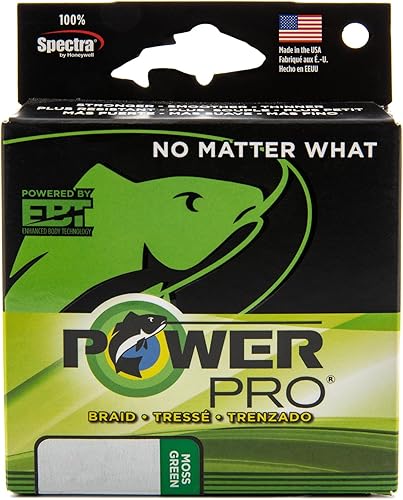
Eight pound monofilament is the easy start. It is cheap, easy to tie and stretches a little, which keeps hooks from tearing out. Many walleye anglers move to 10 lb braid for feel and better hooksets in deep water, with a 2 to 4 foot fluorocarbon leader because braid is easy for fish to see. Replace mono every season, since it gets stiff and weak.
Best starter
Berkley
Trilene XL Monofilament Fishing Line
$9.99 as of Nov 19, 2026
★★★★★Our rating· In Stock
Smooth, limp mono that casts well and ties strong knots. Buy 8 lb test for most walleye fishing. It's what a lot of people learn on, and a spool fills two or three reels. Sold by Amazon. About $9.99, 4.6 stars from 2,640 ratings.
Braid has almost no stretch, so you feel every rock and every bite on a jig, even in 25 feet of water. Use 10 lb test with a fluorocarbon leader. It lasts several seasons. Sold by DepartureOutdoors. About $22, 4.7 stars from 154 ratings.
Fluorocarbon is hard for fish to see in clear water and resists scrapes on rock. Tie 2 to 4 feet of 8 lb to your braid, or use it to build your own live bait rig leaders. Sold by Amazon. About $14.99, 4.7 stars from 7,699 ratings.
A jig tipped with a live minnow is the most common way to catch walleye. Use 1/8 oz in shallow, calm water, 1/4 oz from about 10 to 20 feet, and 3/8 oz in wind or current. Short-shank jigs hold a minnow well. Soft plastic minnows and paddle tails on a regular jig head work when you don't have live bait, and scent-filled baits like Gulp! help on slow days.
Best starter
Northland Tackle
Fire-Ball Jig, 1/4 oz, 6 Pack
$7.61 as of Nov 19, 2026
★★★★★Our rating· In Stock
A round jig with a short shank and a wide hook, made for hooking a live minnow through the lips. A walleye classic. Buy 1/8 and 1/4 oz in a few colors. Sold by Amazon. About $7.61, 4.8 stars from 19 ratings.
A soft plastic minnow soaked in scent. Put it on a jig when you can't get live bait or keep minnows alive. The 3 inch size is the walleye standard, and emerald shiner is a good first color. Sold by Amazon. About $8.42, 4.5 stars from 894 ratings.
A paddle tail swimbait that kicks on a slow, steady retrieve. Rig the 3 inch size on a 1/4 oz jig head and swim it over weeds, rock and sand from shore or a boat. Sold by Amazon. About $7.99, 4.5 stars from 649 ratings.
A live bait rig is a sliding sinker, a swivel and a 4 to 6 foot leader with a hook. You drag a leech, crawler or minnow slowly along the bottom. A spinner harness adds a blade and works well with a crawler at 1 to 1.5 mph. Crankbaits are for covering water and for casting rocky shorelines at dusk. Shad-shaped and slim minnow baits in natural and bright colors are enough.
Best starter
Northland Tackle
Baitfish-Image Spinner Harness
$3.99 as of Nov 19, 2026
★★★★★Our rating· In Stock
A two-hook crawler harness with a spinning blade that flashes and thumps. Pull it behind a bottom bouncer or a sinker at about 1 mph in summer, when walleye chase nightcrawlers. Sold by Amazon. About $3.99, 4.5 stars from 61 ratings.
A balsa crankbait with a tight wobble that walleye anglers have trusted for decades. The size 7 runs about 8 to 10 feet when cast or trolled. Start with a natural shad color and one bright one. Sold by Amazon. About $7.97, 4.7 stars from 662 ratings.
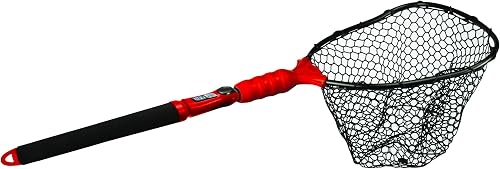
Walleye have soft mouths and often shake loose at the boat, so a landing net with a rubber or coated mesh saves fish and doesn't tangle hooks. Walleye fillets are bigger than panfish fillets, so a flexible 7 to 7.5 inch blade is the right size. Fillet the same day and keep the fish on ice until you do.
Best starter
Rapala
7 Inch Fish 'n Fillet Knife with Sharpener and Sheath
$26.99 as of Nov 19, 2026
★★★★★Our rating· In Stock
The classic flexible Swedish stainless blade with a birch handle and sheath, plus a small sharpener. The 7 inch length is right for walleye and works on crappie too. Sold by Amazon. About $27, 4.7 stars from 908 ratings.
A telescoping net with a rubber mesh bag that is easy on fish and hard for hooks to tangle in. Slides short for storage and long for reaching from a dock. Sold by The Evolved Commerce Distribution. About $130, 4.2 stars from 55 ratings.
A cordless electric fillet knife for days when you're cleaning a full limit for a group. It cuts along the backbone fast and saves your hands. Learn on a hand knife first. Sold by Big Rocket Man USA. About $168, 4.7 stars from 6,333 ratings.
Walleye can be tricky, but they follow simple rules: low light, near the bottom, near structure. A month is enough to learn the jig and minnow, rig live bait, cast a crankbait at dusk and clean your first fish. Here's a week-by-week plan.
Walleye reward people who fish at the right time in the right spot. Learn where they live first, then the baits are simple.
Week 1: Read the lake
Get a lake map from your state agency or a phone app. Find points that stick out into deep water, rock reefs, weed edges and the spots where the bottom drops from 8 feet to 20. Those are walleye spots. Check the water too. Stained water fishes better in daylight. Clear water is best at dawn, dusk and night.
Photo by U.S. Fish and Wildlife Service - Midwest Region, Public domain, via Wikimedia Commons
Week 2: The jig and minnow
Tie a 1/4 oz jig head onto 8 lb line. Hook a fathead minnow up through the lips. Cast it out, let it fall to the bottom on a tight line, then lift the rod tip a few inches and let it drop again. Most bites come on the drop. A bite feels like a tap or extra weight. Reel down and set the hook.
Slide a 1/4 oz walking sinker onto the main line, then tie on a swivel. Add a 4 to 6 foot leader with a size 6 hook. Put on a leech, crawler or minnow. Drag it slowly along the bottom with the wind or with your trolling motor. When you feel a bite, drop the rod tip and give the fish a few seconds before you set the hook.
Go to a rocky shoreline or a river below a dam an hour before dark. Cast a shallow-running shad or minnow crankbait and reel slowly, just fast enough to feel it wobble. Keep legal fish cold on ice. Fillet them with a 7 inch flexible knife, and remember walleye have sharp teeth and gill plates.
Spool a medium-light spinning combo with 8 lb monofilament. · Buy
Look at a lake map and mark three spots: a point, a rock reef and a weed edge near deep water. · Learn
Learn to tie a Palomar knot and a snell knot for live bait rigs. · Learn
Fish a 1/4 oz jig tipped with a minnow on a rocky point for the last hour of daylight. · Action
FAQ
Common questions
What's the best bait for walleye?
Live bait is hard to beat. Fathead minnows and shiners work in spring and fall, leeches in early summer, and nightcrawlers in summer. Tip a jig with a minnow or put a crawler on a live bait rig. Soft plastics like Gulp! Minnows are a good backup.
What jig size should I use for walleye?
Use the lightest jig that still lets you feel bottom. That's often 1/8 oz in 5 to 10 feet of calm water, 1/4 oz in 10 to 20 feet, and 3/8 oz or more in current or wind. River anglers near dams often go heavier.
When is the best time to catch walleye?
Low light. The hour around sunrise and sunset is best, and night fishing can be great in clear lakes. Spring after the spawn and fall are the most reliable seasons. Windy, overcast days often fish better than sunny, calm ones.
Can I catch walleye from shore?
Yes. Fish rocky points, river dams, bridges and piers at dusk and after dark, especially in spring and fall when walleye move shallow. Cast a jig and minnow or a shallow-running crankbait and reel slowly.
Do walleye have teeth?
Yes, sharp ones, and the edges of the gill plates are sharp too. Hold them firmly behind the head, use needle-nose pliers to remove hooks, and keep your fingers out of the mouth.
JustBeginning earns commission from affiliate programs. As an Amazon
Associate, we earn from qualifying purchases. This costs you nothing
extra and doesn't change our recommendations.
Prices and availability are accurate as of the date and time
shown and can change; the price on Amazon when you buy is what
applies.
How this works.


 Best starter