Bass fishing is America's most popular freshwater sport — and the gear aisle is where most beginners get lost. Spinning vs. baitcasting, mono vs. fluorocarbon, crankbaits vs. soft plastics: it's a lot. Here's what to buy first, what actually catches fish on day one, and what can wait until you're hooked.
By Colin B. · Published May 23, 2026 · Last reviewed June 22, 2026
A solid spinning setup — rod, reel, line, and a handful of lures — runs $100–150 on the budget end and $200–250 with quality gear that will last for years.
We earn commission on qualifying Amazon purchases — see our
affiliate disclosure.
Price tiers and budget totals shown above are editorial estimates;
actual Amazon prices vary.
At a glance
Our top pick in each category
The fastest path through this guide — each best-starter pick by category.
Scroll for the budget and upgrade alternatives.
Start with spinning gear, not baitcasting. Spinning reels are far easier to learn — you won't spend your first afternoon picking out backlashes. Baitcasting rigs are more precise and powerful, but they reward experience. Fish spinning for a full season, then graduate.
Seven feet of medium power is the all-purpose starter rod for bass. Shorter rods lose casting distance; longer ones are awkward on wooded banks and small boats. A 7-foot medium spinning rod handles 95% of bass situations a beginner will encounter.
Your lure choice matters less than where you fish. Bass are ambush predators — they hide near structure (logs, rocks, weed edges, dock pilings). Learn to cast to the structure, not out into open water, and almost any lure will work.
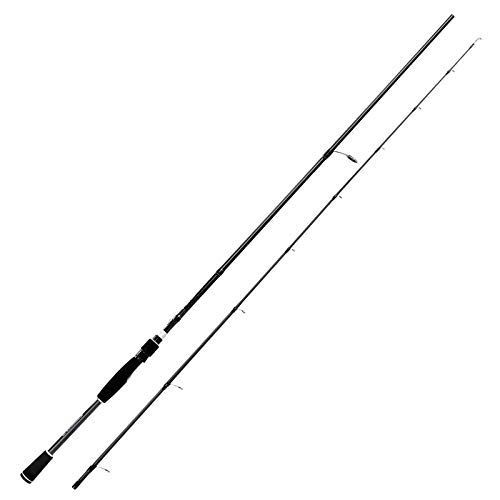
For beginners, a 7-foot medium-power spinning rod is the correct first rod — full stop. It casts most lures, handles most bass, and works from shore, a bank, or a small boat. Don't buy a baitcasting setup first. Baitcasting is more powerful and precise, but the learning curve (backlashes, thumb control) will ruin your first season. Fish spinning until you can cast a Senko all day without thinking, then upgrade. The rod itself is the most forgiving piece of gear — a mid-tier rod from a real brand in the $40–80 range is more than enough for years of fishing.
Rod — what's the difference?
A few common shapes, each making a different trade.
Spinning
Reel hangs below the rod. Open-face bail. Easy to cast, great for light lures. The correct starter setup.
Best for
Beginners, finesse techniques, light line
Lure range
1/16 – 3/4 oz
Backlash risk
Very low
Best for All beginners — and most experienced anglers for finesse bass fishing
Tradeoff Less power and casting distance than baitcasting at the top end
Reel sits on top. Magnetic brake thumbed by hand. More control, more distance, higher skill floor.
Best for
Experienced anglers, heavy lures, big fish
Lure range
3/8 – 2 oz
Backlash risk
High until you develop thumb feel
Best for Anglers fishing heavy flipping rigs, big crankbaits, or swimbaits
Tradeoff A bad cast creates a bird's nest of tangled line — not the thing to learn on your first trip
Best starter
Shakespeare / Ugly Stik
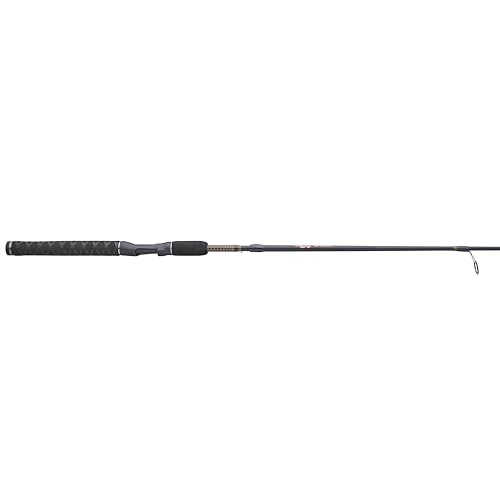
Ugly Stik GX2 Spinning Rod
$59.95 as of Jun 22, 2026
★★★★★Our rating· In Stock
The Ugly Stik GX2 has been the honest beginner rod recommendation for thirty years. It is nearly indestructible, the Clear Tip resists breakage even when beginners do everything wrong, and the medium-fast action handles soft plastics, spinnerbaits, and crankbaits. It is the rod you can beat up while learning without guilt, and still reach for years after you have better options.
What we like
Virtually indestructible, survives abuse that would crack graphite
Affordable enough that learning mistakes are forgivable
Medium-fast action handles 90% of techniques beginners try
What to know
Heavier and less sensitive than graphite rods at the same price
★★★★☆Our rating· Only 17 left in stock - order soon.
The KastKing Perigee II is one of the best budget spinning rods in freshwater fishing. A 24-ton carbon fiber blank, Fuji O-ring guides, and an ergonomic graphite reel seat are materials you do not usually find at this price. The two-piece design travels easily and the action suits soft plastics and moving baits alike. If you are unsure bass fishing will stick, this is the honest way to start.
What we like
24-ton carbon blank punches well above its budget price point
Fuji O-ring guides and graphite reel seat are rare this cheap
What to know
Thin retail presence, hard to find in local shops to demo first
St. Croix builds the best value rods in serious bass fishing, and the Triumph is the one to grow into. Its premium SCII graphite blank, hard aluminum-oxide guides, and cork grip are a genuine step up in sensitivity and balance, enough to feel bottom composition through your hand. Buy it after a full season, once the rod gap matters more than your technique gap.
What we like
SCII graphite blank is noticeably more sensitive than budget rods
Cork grip and light balance cut hand fatigue on long sessions
What to know
St. Croix's medium power rates stiffer than most competing brands
Match your reel size to your rod — a 2500 (also labeled 25 on some brands) is right for most bass fishing with 8–12 lb line. For spinning gear, smoothness matters more than raw power. A rough drag or sticky bail will cost you fish and patience equally. You don't need a sealed, tournament-grade reel to start, but don't buy a $15 no-name either. The $50–90 range gets you a smooth drag and a reliable bail that won't randomly close mid-cast.
Best starter
Shimano
Sienna 2500 FG Spinning Reel
$34.99 as of Jun 22, 2026
★★★★★Our rating· Only 18 left in stock - order soon.
Shimano has built reliable fishing reels for decades, and the Sienna is their serious-beginner price point. The front drag is smooth, the Propulsion Line Management system reduces wind knots, and build quality beats anything nearby in price. It pairs naturally with the Ugly Stik GX2 and handles bass-weight line without complaint. The reel most experienced anglers would hand a beginner friend.
What we like
Smooth front drag handles bass runs without grabbing or slipping
Propulsion line management cuts wind knots on fluorocarbon
What to know
No real budget flexibility, Shimano's entry price is firm
★★★★☆Our rating· Only 9 left in stock - order soon.
Penn has made reliable saltwater and freshwater reels for decades, and the Pursuit IV is their entry-level offering for anglers who want a real brand. A sealed HT-100 drag, graphite body, and four stainless steel ball bearings are solid hardware at a price that makes sense as your first reel. It is built for inshore saltwater, which means it is comfortably overbuilt for freshwater bass.
What we like
Sealed HT-100 drag is built for saltwater, overbuilt for bass
Four stainless ball bearings run smoother than reels this cheap
What to know
Slightly heavier body than the Shimano Sienna for similar performance
The Pflueger President is a favorite among serious freshwater anglers for one reason: silky smooth drag at every setting, from light tension for finesse worm fishing to locked-down pressure for pulling bass out of heavy cover. The XT adds a lighter body and a sealed drag, and the ten-bearing system runs quieter than reels twice the price. Buy this once you fish more than a few times a month.
What we like
Ten-bearing system delivers a silky retrieve at every drag setting
Lighter body reduces fatigue over a long day on the water
What to know
Premium price takes experience to appreciate over mid-tier reels
Most beginners default to monofilament because it's cheap and easy to work with — and for starting out, that's reasonable. But fluorocarbon is nearly invisible in water and has virtually no stretch, giving you better hooksets and more sensitivity. For spinning bass gear, 10 lb fluorocarbon is the right all-around choice. Braid (with a fluorocarbon leader) is the right call for heavy cover — lily pads, thick weeds, dock pilings — but that's a later-season upgrade. Stick with fluorocarbon until you've got the basics down.
Best starter
Berkley
Trilene Professional Grade Fluorocarbon
$19.74 as of Jun 22, 2026
★★★★★Our rating· In Stock
Berkley Trilene has been a fishing tackle staple for decades. This fluorocarbon is nearly invisible in water, low-stretch for sharp hooksets, and abrasion-resistant enough for rocky bottoms and dock pilings. A 10 lb test is the right all-around choice for spinning bass gear, strong enough for most fish and light enough to cast small lures well. Fill your reel and it lasts a full season.
What we like
Nearly invisible in water, fish will not see it in clear lakes
Low stretch gives you a sharp hookset on every bite
What to know
Stiffer than mono in cold water and more prone to wind knots
★★★★☆Our rating· Only 10 left in stock - order soon.
Braid is the right call for fishing heavy cover, the lily pads, hydrilla mats, and thick brush piles where fluorocarbon stretches too much or gets cut. PowerPro Spectra is the standard: thin diameter, very strong, zero stretch. Pair it with a 10 lb fluorocarbon leader tied on with an Alberto knot. Do not start here, come back to it once you are fishing heavy cover deliberately.
What we like
Zero stretch delivers instant hooksets through pads and brush
Thin diameter packs more line on your spool than mono or fluoro
What to know
Highly visible in clear water, always requires a fluoro leader
The lure aisle will eat you alive if you let it. There are thousands of bass lures and most of them work some of the time. A few of them work almost all of the time. The plastic worm — specifically a stick-style bait like a Senko, rigged weightless on a hook — is the most productive bass lure ever invented. After that: a spinnerbait for reaction bites in murky water, and a crankbait for covering open water. Start with three or four lures and learn to fish them well before buying more. Most beginners lose fish because they can't find fish, not because they have the wrong lure.
Best starter
Gary Yamamoto Custom Baits
Yamamoto 5-Inch Senko Worm (10-pack)
$9.72 as of Jun 22, 2026
★★★★★Our rating· In Stock
The Yamamoto Senko is the most-studied bass lure in the sport. Rig it weightless on a 2/0 or 3/0 offset hook, cast near structure, and let it fall on a slack line. It sinks horizontally, wobbling side to side, and bass cannot leave it alone. It works in every water clarity, every season, everywhere bass live. If you bring one lure to your first trip, bring this. Bass shred them, so stock up.
What we like
Works in every water clarity and season, the most versatile lure
Needs almost no technique, the falling action does the work
What to know
Bass destroy them fast, one fish per worm is normal, so stock up
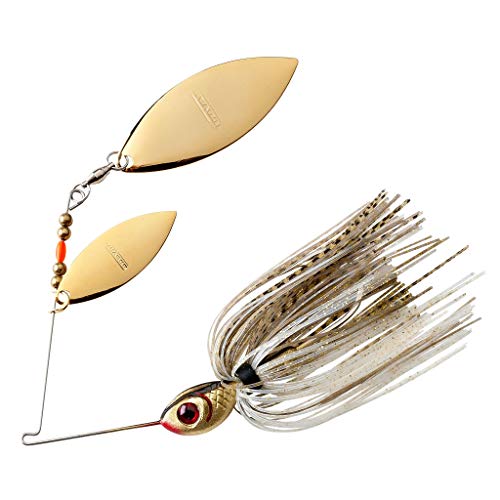
Spinnerbaits are the most forgiving lure for beginners: cast it out, reel it back at medium speed, and the spinning blades trigger bass by instinct. The Booyah Blade is the version guides reach for, with balanced blades and wire that will not bend on the first fish. Buy white and chartreuse for murky water and green pumpkin for clear water and you have most situations covered.
What we like
Cast-and-reel retrieve is the simplest technique in bass fishing
Heavy-duty wire and blades survive dock pilings and rocky banks
What to know
Less effective in very clear water where bass inspect the hardware
The Rapala Original has been catching bass since 1936, which is proof the action works. The F-7 floats at rest and dives 3 to 5 feet on a steady retrieve, wobbling with a tight action that triggers reaction strikes. Cast along weed edges, dock lines, and rocky banks, then pause, the lure floats up and a nearby bass in the shadow cannot resist. A beginner can catch fish on this lure on day one.
What we like
Pause-and-rise action triggers strikes a steady retrieve will miss
Balsa wood buoyancy no plastic minnow can replicate
What to know
Treble hooks make it nearly unusable in heavy weeds or cover
Terminal tackle is the small stuff that connects your lure to your line: hooks, sinkers, swivels. It's also where beginners get talked into things they don't need. You need a handful of offset worm hooks (2/0 or 3/0 for a 5-inch Senko), a few bullet-head sinkers for Texas rigging, and needle-nose pliers to remove hooks. A basic tackle organizer keeps it all findable. Beyond that, polarized sunglasses are the single best accessory investment — they let you see fish, structure, and drop-offs through the water, which is worth more than any lure in your box.
Best starter
Gamakatsu
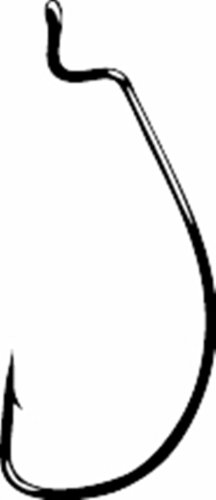
EWG Offset Worm Hook, 2/0 (25-Pack)
$23.74 as of Jun 22, 2026
★★★★★Our rating· In Stock
Gamakatsu hooks are the sharpest out of the package of any brand you can buy without spending absurd money, and hook sharpness translates directly to more fish landed. The 2/0 offset shank is the right size for a 5-inch Senko or similar stick bait. The 25-pack covers a full season without restocking. This is not the place to go cheap, a dull hook means missed fish on good presentations.
What we like
Sharpest out-of-package edge of any hook at this price range
Offset shank keeps soft plastic rigged straight for a natural fall
What to know
No weed guard, the point must be buried precisely to stay weedless
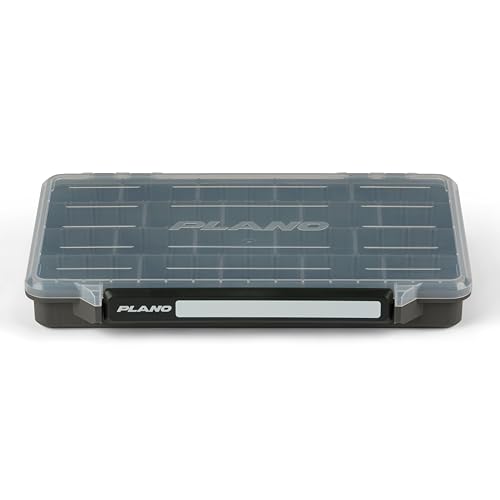
Plano has been making tackle storage since the 1950s, and the 3700 StowAway is the most-used tackle tray in fishing. Adjustable dividers let you configure compartments for your specific lures and terminal tackle, and it fits inside most tackle bags. Buy two, one for lures and one for hooks and weights, and your whole kit stays organized and findable on the water.
What we like
Adjustable compartments fit small hooks to large crankbaits
Standard 3700 footprint drops into almost every tackle bag
What to know
Clear lid scratches over time and gets harder to see through
Polarized lenses cut water glare so you can see fish, structure, and drop-offs, which is worth more than any lure choice. Costa is the fishing sunglasses brand for a reason: 580G glass lenses beat polycarbonate for color in low light at dawn and dusk, when bass fishing is best. The Blackfin is a classic, durable freshwater frame. A real splurge, but it pays dividends every single trip.
What we like
580G glass lenses render true color in low light at dawn and dusk
Cuts water glare so you can spot bass, structure, and depth changes
What to know
Glass lenses are heavier than polycarbonate and can chip if dropped
Bass fishing has a reputation for complexity. Here's what actually matters in the first four weeks — and what you can safely ignore until later.
Bass fishing has a reputation for complexity — rigs, techniques, seasonal patterns, electronics, a lure selection that stretches an entire wall at the sporting goods store. Most of that complexity is real, but almost none of it applies to your first month. Here’s what actually matters early on.
Week 1: Get on the water with something simple
Before anything else, get a fishing license for your state. It takes five minutes online, costs $20–35 in most states, and without it you can’t legally fish anywhere. Once that’s done, you’re ready.
Your first setup should be simple: a 7-foot medium spinning rod and reel, spooled with 10 lb fluorocarbon line, and a handful of Senko-style worms. That’s it. Don’t let anyone talk you into baitcasting gear yet. Spinning reels are drag-and-cast — no thumb control required, no backlashes to pick out. You’ll be fishing in five minutes instead of twenty.
Find a public lake, pond, reservoir, or river section near you. Apps like TakeMeFishing.org and OnX Hunt show public water access everywhere. You don’t need a famous fishery. You don’t need a boat. You just need somewhere that holds bass.
The first thing to learn is where to cast, not how to fish. Bass are ambush predators. They’re not swimming in open water waiting to eat whatever drifts by — they’re holding near structure: dock pilings, fallen trees, weed edges, rocky points, bridge pilings, culverts. Find the structure, cast within a few feet of it, and you’ve already done most of the work. Any reasonable lure will do the rest.
The Texas rig is the most important technique in bass fishing for beginners, and it takes about five minutes to learn. Thread a bullet-head sinker onto your line, tie on a 2/0 or 3/0 offset hook, and push the hook point through the nose of a Senko worm, out its body, then back into the plastic so the point is buried. The result is a weedless presentation that can be dragged through heavy cover without snagging constantly.
Here’s how to fish it: cast near structure, let the bait sink to the bottom on a slack line, then drag it slowly along the bottom with short hops — lift the rod tip a foot, reel up the slack, let it drop, repeat. When a bass picks it up, you’ll feel a tap or the line will jump sideways. Set the hook with a firm upward sweep of the rod.
The most common beginner mistake is moving the bait too fast. Bass are lazy — they want an easy meal. Slow down. A Senko crawling along the bottom looks like an injured baitfish. A Senko being retrieved at jogging speed looks like nothing in nature.
This week, fish the Texas rig for an hour before switching to anything else. The goal isn’t to catch twenty fish — it’s to feel what the bottom feels like through the line, to recognize when a rock tap feels different from a bass tap, to build the sensory vocabulary that makes everything else click.
Week 3: Add a second technique
Once the Texas rig feels natural, add a spinnerbait. It’s the anti-technique: cast it out, reel it back at medium speed, and let the spinning blade do the work. No bottom feel required. No slow crawl required. Just cast, reel, repeat.
Spinnerbaits are particularly useful in two situations: murky or stained water (the vibration and flash draw fish by feel and reaction, even when they can’t see well), and when you’re fishing fast — moving down a bank, covering a lot of water looking for active fish. The Texas rig rewards patience; the spinnerbait rewards exploration.
By week three, you should have a feel for when conditions call for one vs. the other. On a calm sunny morning with clear water, slow down with the Texas rig near bottom. In murky water after a rain, tie on the spinnerbait and work the banks quickly until something reacts.
One thing to watch: bass follow spinnerbaits. Sometimes a fish will trail the bait all the way to your feet and turn away at the last second. If you’re fishing from a dock or the bank, try dropping the bait straight down for a few seconds at the end of each retrieve — a technique called “the lift” — instead of ripping it out of the water.
Week 4: Start reading water
By now you’ve caught some fish, lost some fish, and spent a lot of time not catching fish. Week four is when you stop fishing randomly and start fishing with a theory.
Bass location is predictable if you know a few rules:
Temperature drives depth. In summer heat, bass go deep during the day (10–20 feet) and come shallow to feed at dawn and dusk. In spring, they’re in the shallows (2–6 feet) for spawning and easy to find near gravel and dock pilings. Fish in the morning, not at noon, and you’ll catch three times as many.
Wind creates feeding edges. Wind pushing against a bank or point concentrates baitfish there, and bass follow. On windy days, fish the windward bank — the uncomfortable-looking one — instead of the sheltered side.
Bass are predictably lazy. They won’t chase a bait far. They want to make one short burst and be done. A bait landing within 2 feet of a dock piling will catch fish; a bait landing 6 feet away usually won’t. Practice your accuracy.
Setting the hook too early. You feel a tap and jerk immediately — before the bass has committed. The result: a moved bait, no fish, and an adrenaline crash. Wait a half-second. When the line starts moving, then sweep the rod.
Not fishing structure precisely. Casting “near” a dock means within 6 inches, not within 6 feet. The fish are sitting in the shade of the piling, not 4 feet out from it. Practice accuracy before you practice anything else.
Changing lures too often. When nothing bites, the instinct is to try something different. Usually the problem isn’t the lure — it’s the location. Move to new structure before you change lures.
Using too heavy a sinker. A 3/4 oz Texas rig weight in 4 feet of water is an anchor that plummets unnaturally. Use the lightest weight you can — 3/16 oz for clear water, 1/4 oz for most situations, heavier only in current or very deep water.
What comes next
After a month, you have the foundation. Two things will improve your fishing more than any gear upgrade:
Find one consistent spot and fish it every trip for a month. You’ll learn where the fish hold in the morning, where they go at noon, how weather changes their position. This local knowledge compounds over time in a way that fishing new water constantly doesn’t.
Take a half-day guided trip. A local bass guide who knows your water will show you how to read it in ways that would take you a season to figure out alone. Worth every dollar after you’ve got the basics.
Save your money
What you don't need yet
Beginners get pressured to buy a lot of stuff that doesn't help them play
better. Here's what we'd skip on day one.
A baitcasting setup — Baitcasting reels are more precise and powerful, but they reward experience — specifically, thumb feel that takes a season to develop. Fish spinning until casting feels automatic.
A fish finder or depth sounder — Electronics help experienced anglers find fish faster. They don't help beginners who haven't learned to read water visually — and learning to read water is the actual skill. Skip for your first season.
An expensive bass boat — Bank fishing, canoe fishing, and kayak fishing all catch plenty of bass. Don't wait for a boat to start. Learn the sport on foot, then decide what waters you'll actually fish.
Fifty different lures — Three or four lures fished well beats fifty fished poorly. Buy the Senko, the spinnerbait, and the Rapala. Learn them until they feel natural. Then add more.
Scent sprays and attractants — Bass are visual predators first. The evidence on scent attractants is genuinely mixed. Focus on presentation and location before worrying about scent.
First week
Your first seven days
A short, real plan to get from gear-on-doorstep to actually playing.
Get a fishing license for your state — required almost everywhere and usually $20–35 online. · Action
Find a local lake or pond with public bank access. Anywhere bass live works — you don't need a famous fishery. Cast near any visible structure: docks, weed lines, fallen trees, bridge pilings. · Action
Fish the same water three times in your first two weeks. Learning one spot well beats exploring five unfamiliar spots — you'll start to notice where the fish are holding. · Action
FAQ
Common questions
How much does it cost to start bass fishing?
A solid starter setup — spinning rod, reel, line, and half a dozen lures — runs $100–150 on the budget end and $200–250 with quality gear you won't outgrow. Add a fishing license ($20–35 in most states) and you're fully equipped.
Should I start with spinning or baitcasting gear?
Spinning — always, for beginners. Baitcasting reels require thumb control on the cast to prevent backlashes (tangled line bird's nests). That's a skill that takes a season to develop. Start spinning, and you'll be catching fish your first day instead of picking knots.
What's the best lure for a total beginner?
A 5-inch Senko-style soft plastic worm, rigged weightless on a 2/0 or 3/0 offset hook, cast near structure and allowed to sink on slack line. It's the most consistently productive bass lure ever made, requires almost no retrieve technique, and bass will hit it in every season and water clarity.
Do I need a boat?
No. Bank fishing catches plenty of bass. Many experienced anglers prefer wade fishing or kayak fishing over boats for maneuverability in shallow water. Learn the sport on foot and make the boat decision after you know which waters you'll actually fish regularly.
When's the best time to go bass fishing?
Early morning and late afternoon in warm months, midday in cold months. Bass are cold-blooded; their activity level follows water temperature. In summer, they go deep during midday heat and shallow up to feed at dawn and dusk. In spring, they're easy to find in 2–6 feet of water near gravel and dock pilings during spawning.
What size hooks do I need?
A 2/0 or 3/0 offset worm hook for 5-inch soft plastics, the standard Senko sizes. A 4/0 for larger plastics. Most crankbaits and hard lures come with treble hooks pre-attached, so you don't need to buy those separately to start.
Bassmaster — The closest thing to ESPN for bass fishing. Tournament coverage, gear reviews, and technique articles. Heavy on tournament content — skim for beginner technique pieces.
Bass Fishing HQ — One of the best beginner-focused bass fishing sites. Technique breakdowns, gear recommendations, and seasonal strategies written for people actually new to the sport.
TakeMeFishing.org — Managed by the Recreational Boating & Fishing Foundation. Best resource for finding fishing spots near you and getting your state fishing license.
Major League Fishing (YouTube) — Free tournament footage. Watching pros fish structure teaches water-reading faster than most articles. Good viewing once you know the basics.
The Bass University (YouTube) — Tournament pro Pete Ponds explains techniques in deep detail. The seasonal pattern videos are genuinely educational once you've got a few trips in.
r/bassfishing — Active community. Good for local water tips, lure identification help, and 'what do I do with this setup?' questions. The wiki has solid beginner resources.
As an Amazon Associate, JustBeginning earns from qualifying purchases.
We may also earn commission from other affiliate programs linked on this
page. Editorial recommendations are independent; we don't choose
products based on commission rates.
Product prices and availability are accurate as of the date and time
indicated and are subject to change. Any price and availability
information shown on Amazon at the time of purchase will apply.


 Best starter