Audiophile headphones are one of the rare hobbies where genuinely world-class sound is under $200, and then you can spend years upgrading. The rabbit hole is real but optional. This guide covers day-one essentials: the right headphones, a DAC/amp only if you need one, and the clarity to ignore the rest.
By Colin B. · Published May 28, 2026 · Last reviewed June 21, 2026
Sennheiser HD 560S
— The classic open-back entry point: natural soundstage, balanced tuning, no separate amp required.
Schiit Fulla E
— Plug into USB and hear the difference; a clean DAC/amp that wakes up any headphone without a fortune.
Budget total
$150
Typical total
$260
A $150 open-back headphone is a complete, satisfying setup. Add a $110 DAC/amp for the full experience (around $260 total).
We earn commission on qualifying Amazon purchases — see our
affiliate disclosure.
Price tiers and budget totals shown above are editorial estimates;
actual Amazon prices vary.
At a glance
Our top pick in each category
The fastest path through this guide — each best-starter pick by category.
Scroll for the budget and upgrade alternatives.
Don't start with $300+ headphones. The biggest jump in audio quality happens in the first $150 of spending, the 'I can't go back' moment lands there. Everything above $300 is diminishing returns you can barely measure. Start with the HD 560S, live with it for six months, then decide if you want more.
Your source matters more than you think. Headphones reveal what's already in the signal. Streaming at Spotify 320kbps already sounds noticeably better than 128kbps; Tidal lossless is marginal improvement on top of that. Don't outrun your source; get good headphones first.
Fit is underrated. A $300 headphone worn reluctantly delivers less enjoyment than a $79 headphone that disappears on your head. Check fit notes before buying: Beyerdynamic clamps hard on large heads, Sennheiser is forgiving, Audio-Technica sits wide.
This purchase defines your audiophile experience; everything else serves the headphone. The two key decisions are open-back vs closed-back (which determines soundstage and isolation) and impedance (which determines whether you need an amplifier). Most beginners should start open-back at 120 ohms or under and worry about amps only after their first serious listen.
Headphones — what's the difference?
A few common shapes, each making a different trade.
Open-Back
Natural soundstage, hear your room. Home listening gold standard.
Isolation
None
Soundstage
Wide and airy
Best for
Home listening
Best for Critical listening, gaming at home, anyone in a quiet space
Tradeoff Everyone in the room hears your music; you hear the room too
The HD 560S is where most audiophile journeys should start. At 120 ohms it drives cleanly from a laptop or phone; no DAC/amp required on day one. The neutral, reference-leaning tuning sounds immediately more spacious and detailed than any consumer headphone you've worn. Sennheiser's build quality is proven over decades.
What we like
Drives cleanly from laptop on day one, no amp required
Neutral, reference tuning reveals what's actually in the recording
Sennheiser's 50-year headphone reputation behind every seam
What to know
Open-back means zero noise isolation, not for commutes or offices
Lean bass won't satisfy listeners coming from bass-boosted earbuds
The audiophile community's open secret. Koss has made these clip-ons for decades, and the sound relative to price is genuinely baffling; better bass extension and more natural presentation than most headphones under $100. For under $40 they're the perfect gateway drug, and they'll survive being tossed in a bag.
What we like
Sound quality that embarrasses headphones costing five times the price
Open-back design sounds spacious and natural, not closed-in
Under $40: if you hate headphones, you've lost nothing
What to know
Clip-on form factor sits outside the ear, which some find uncomfortable long-term
Microphonic cable rustles audibly when the cord moves
The HD 600 has been a reference-class headphone for over 25 years. At 300 ohms it needs a proper amp to open up, but when driven correctly, the resolution and naturalness are still competitive with headphones costing five times as much. Don't buy these until you have a good amp. Once you do, they might be the last headphones you ever need.
What we like
25-year proven reference standard, still measured against at every price
Resolution and naturalness that hold up against headphones at 5x the price
Open, airy soundstage that most closed-backs can't replicate
What to know
300 ohms; sounds dead without a real amp. Budget for the amp too
The spider-web grille is a fingerprint magnet and looks delicate (it isn't)
The industry standard for professional monitoring. Closed-back cups give real isolation for commutes or late-night sessions, the detachable cable is sturdy, and the folding hinge survives bag travel. Not the most natural sound (slight bass emphasis), but the value and durability are hard to argue with if you need isolation.
What we like
Closed-back seal blocks ambient noise; works in offices and on commutes
Detachable cable and folding hinge built for real portability
Professional standard used in studios worldwide
What to know
Slight bass emphasis tilts away from reference-neutral tuning
Soundstage is narrower than open-back headphones at the same price
A DAC (digital-to-analog converter) turns the 1s and 0s from your phone or computer into an actual audio signal. An amp gives that signal enough power to drive headphones properly. Most built-in laptop and phone outputs are mediocre; you'll hear congestion and flat dynamics. A $79-110 combo unit is the highest-impact upgrade you can make after the headphones themselves.
Best starter
Schiit
Fulla E
$136.00 as of Jun 22, 2026
★★★★★Our rating· In Stock
Schiit builds their products in California and the Fulla E punches above its price. This all-in-one USB DAC/amp handles up to 32-bit/384kHz audio, outputs enough power for the HD 560S and most headphones under 300 ohms, and includes a 6.35mm adapter. Plug it in, turn the knob, hear the difference.
What we like
Built in California: Schiit's reputation for honest value is earned
Powers HD 560S and most sub-300ohm headphones cleanly
Single USB cable in, 3.5mm and 6.35mm out, dead simple setup
What to know
Desktop-only with wall power, not for portable use
Volume knob imbalance at very low levels is a known quirk
The most-recommended entry-level DAC/amp on Head-Fi for good reason. USB-bus-powered, compact, and it adds meaningful clarity and dynamics to any headphone in the $50-200 range. The bass boost switch is a fun experiment but you probably won't use it long-term once your ears adjust to reference tuning.
What we like
Bus-powered from USB, no wall adapter, works from a laptop on a couch
Most recommended entry DAC/amp on Head-Fi for years running
Bass boost switch is genuinely fun for casual listening
What to know
Older circuit; dynamic range trails newer units at the same price
Output power caps before fully waking up 300-ohm headphones
Step up from a desktop combo to something that holds up in audiophile discussions. The DX3 Pro+ has balanced output, a proper headphone amplifier stage, and measurements that get praised at Audio Science Review. For anyone heading toward 300-ohm headphones or wanting balanced output, the sensible ceiling before full separates.
What we like
Balanced output future-proofs you for balanced cable headphones
Measurements praised at Audio Science Review, genuinely transparent
Powers 300-ohm HD 600 to full potential without breaking a sweat
What to know
Requires wall power brick, not bus-powered like the FiiO
Overkill for the HD 560S; most useful once you have 250+ ohm headphones
In-Ear Monitors are the portable wing of audiophile listening. They fit entirely in the ear canal, isolate from ambient noise, and (especially in the Chinese audiophile market) deliver absurd performance per dollar. The Moondrop Aria at $79 delivers genuinely hi-fi sound in a jacket pocket. Start here if you listen mostly on the go.
Best starter
Moondrop
ARIA 2 in-Ear Headphone with 0.78 2 Pin Cable
$99.99 as of Jun 22, 2026
★★★★★Our rating· In Stock
Moondrop's Aria established that $79 is the new floor for entry-level IEM performance. Single dynamic driver with a liquid metal shell, a smooth Harman-adjacent tuning, and a presentation that embarrasses earbuds at twice the price. The fit is forgiving; the included cable is fine; the upgrade itch doesn't hit for months.
What we like
Liquid metal shell construction is far nicer than plastic at the price
Harman-adjacent tuning is balanced and non-fatiguing for long sessions
Widely available, well-reviewed, safe first IEM purchase
What to know
Bass isn't ruler-flat; slight elevation that most find pleasing, some find colored
Included cable could be better; an aftermarket cable is a worthwhile upgrade later
KZ's entry-level hybrid IEM is the answer when someone asks what to buy for under $25. The multi-driver design adds treble detail a single dynamic driver can't match at this price. V-shaped tuning emphasizes bass and treble; some love it, some find it fatiguing. Either way, it shows you the IEM world for almost nothing.
What we like
Under $25 with multi-driver hybrid tech usually found at $50+
Treble detail retrieval that single dynamic drivers can't match at this price
Good entry to understand what IEMs are before spending more
What to know
V-shaped signature is fun but not neutral, fatiguing for some at volume
Build feels budget; shell flex and connector tolerances show the price
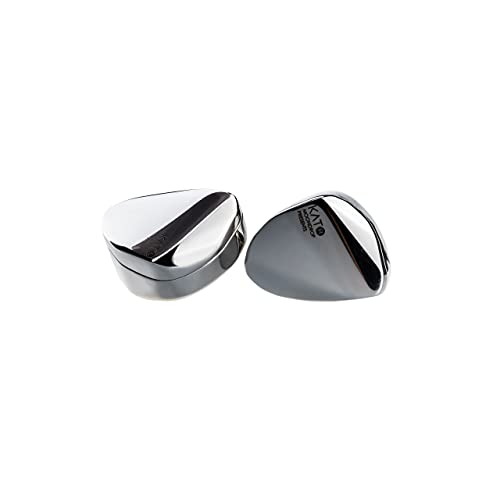
When you're ready to stop apologizing for your IEMs in audiophile circles, the KATO is the move. Beryllium-coated diaphragm, extended detail retrieval, and a neutral-bright signature that rewards well-recorded material. Bring your own aftermarket cable: the stock cable is the one weak point on an otherwise exceptional IEM.
What we like
Beryllium diaphragm extends treble detail beyond what dynamics at 2x cost
Neutral-bright signature rewards high-quality recordings and well-mastered albums
Moondrop's KATO is a respected benchmark in the sub-$200 IEM market
What to know
Stock cable feels underwhelming at the price; budget $20 for an aftermarket
Neutral-bright signature can fatigue on bright masterings; know your library
A headphone stand is optional but becomes practical quickly: leaving an HD 560S face-down on a desk scuffs the cups and looks like you don't care about your gear. More importantly: ear pads wear out. Budget headphones ship with mediocre foam; premium headphones develop flat spots after two years. Pad swaps are cheap maintenance that extends headphone life and often improves fit.
Best starter
Brainwavz
Hengja Headphone Hanger
$14.99 as of Jun 22, 2026
★★★★★Our rating· In Stock
A clamp-on headphone hanger that attaches to any desk edge without drilling. The Hengja holds anything from KPH30is to HD 600s, frees up desk space instantly, and costs less than a coffee. Universal clamp fits desks 1.8–4.3cm thick; check your desk before ordering.
What we like
Clamps to any desk edge in 30 seconds, no drilling, no tools
Holds any headphone from lightweight portables to full-size over-ears
Frees up desk space that a base-stand would occupy
What to know
Clamp range limits; won't fit very thick or glass desk edges
No cable management built in; the cable hangs loose with the headphone
★★★★☆Our rating· Only 20 left in stock - order soon.
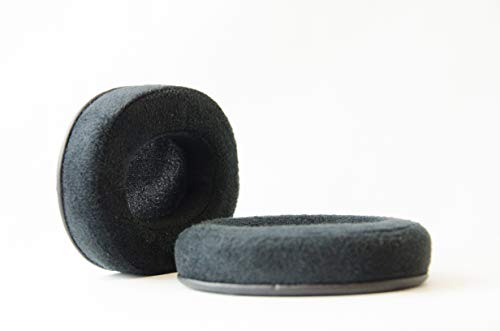
Ear pads degrade (foam compresses, pleather cracks) and replacing them restores comfort and sometimes improves isolation. Dekoni makes pads for most popular headphones (HD 560S, M50x, and dozens more) in fenestrated sheepskin or micro suede. Know that pad material can shift frequency response slightly when you swap.
What we like
Restores original comfort and seal on pads that have flattened over years
Multiple material options (sheepskin, velour, fenestrated) for tuning preference
Dekoni makes pads for most major headphone models, wide compatibility
What to know
Pad material can shift frequency response slightly, which affects tuning
Higher cost than OEM replacement pads from the headphone manufacturer
Audiophile headphone listening rewards patience: the first listen surprises you, the first upgrade teaches you, and somewhere around week three you start hearing things in music you've heard a hundred times before.
Most people discover audiophile headphones the same way: they borrow someone’s pair, put them on for thirty seconds, and immediately understand what they’ve been missing. That moment of recognition (“oh, this is what music actually sounds like”) is the beginning of the hobby.
The good news: you don’t need to spend thousands of dollars to get there. You don’t need to understand measurements, frequency response graphs, or the SINAD scores on Audio Science Review. You just need one good pair of headphones and the willingness to listen carefully.
This is what your first month actually looks like.
Week one: The first serious listen
Your headphones arrive. Plug them into your laptop headphone jack, no DAC/amp yet, not a streaming upgrade. Just the headphones and the source you already have.
Put on something you know well. Not a “reference track” that someone on Head-Fi told you to play. Try your favorite album, the one you’ve heard two hundred times. Something you think you know inside out.
You’ll hear things you’ve never noticed. A breath before a vocal line. A guitar string ringing slightly longer than you thought. The room where the recording was made. This isn’t the gear revealing detail that wasn’t there; it’s the gear finally giving you enough resolution to hear what was always in the recording.
Resist the urge to buy more things. The first week is for calibrating your ears to a new sound signature. Your brain needs time to adjust to what neutral actually sounds like, especially if you’re coming from consumer earbuds tuned with heavy bass boost. What initially sounds “thin” is usually correct. You’ve been listening to colored sound for years.
Somewhere in the second week, the adjusting is done and the listening begins.
This is when a few things become worth investigating:
Source quality matters more than you expected. Open a track on Spotify at 320kbps, then open the same track on Tidal lossless. Most people can’t reliably distinguish the two on $30 earbuds. On a $150 open-back, some listeners can. On a $350 setup with a DAC/amp, the difference is audible in the low end and in fine spatial detail. Whether it matters to you is a personal question, but you now have the equipment to ask it.
Your laptop’s headphone jack is holding you back. This is the week you’ll notice congestion: moments where complex passages feel slightly cluttered, or where the dynamic impact of a snare hit lands with less weight than it should. That’s your laptop’s mediocre built-in DAC and amplifier revealing themselves. A $79-110 USB DAC/amp removes that ceiling.
Add the Schiit Fulla E or FiiO E10K here if you want to hear what your headphones are actually capable of. Plug it in, press play, and the comparison is immediate. This is the A/B moment that explains why the community obsesses over source equipment.
What you don’t need yet: equalization. It’s tempting to reach for EQ apps when you notice a frequency you don’t love. Don’t; learn what your headphones actually sound like first, without modification. You need six weeks of reference point before EQ makes sense.
Week three: Sound signatures and preferences
By week three you have preferences, even if you can’t articulate them yet.
Some people find the HD 560S slightly lean: they want more warmth in the low end. Some love the precision and find bass-emphasized headphones muddy. Neither is wrong. This is called sound signature, and understanding yours is the most valuable thing you can learn in the first month.
The audiophile community describes sound signatures in shorthand you’ll encounter constantly:
Neutral / Reference: attempts to reproduce the original recording without adding or subtracting. Sounds “correct” to trained ears; can sound thin to ears calibrated on consumer headphones.
Warm: elevated bass and low-mids. More euphonic, less precise. Tube amplifiers and some Sennheiser headphones lean this way.
V-shaped: emphasized bass and treble with recessed mids. Energetic and exciting; fatiguing for long analytical sessions. Common in gaming headsets and budget IEMs.
Bright: elevated treble. Extends detail; can be harsh on poorly mastered recordings.
Either you’re completely happy with what you have, in which case congratulations: you’ve found your setup and the hobby is serving you well. Many people land here and stay for years.
Or you’ve caught the upgrade itch. The HD 560S is making you want to hear what the HD 600 sounds like. The FiiO E10K is making you wonder about separates. You’ve started reading Head-Fi threads at 11pm.
If it’s the second one: slow down and diagnose before spending.
The most common mistake in month one is upgrading the wrong thing. Before spending on a better headphone, make sure you have a decent source. Your HD 560S from a good DAC/amp sounds better than an HD 600 from your phone’s headphone jack. Chain matters.
The sensible upgrade path for month four:
If you don’t have a DAC/amp yet, add one. Biggest single improvement for the money.
If you have a DAC/amp and want more resolution, the Sennheiser HD 600 is the natural next step, but it requires 300 ohms of driving power, so make sure your amp handles it.
If you want portability, the Moondrop Aria at $79 is a complete IEM setup you can carry anywhere.
What you almost certainly don’t need in month one: tube amps, balanced cables, or anything above $300. Those are real improvements; they’re just improvements you can’t fully appreciate until your ears are more trained.
The thing nobody tells you about this hobby
Audiophile headphone listening changes the way you experience music permanently. That’s the part worth knowing before you start.
You start noticing production quality. Albums you loved sound different (some better, some worse) because the mastering was mediocre and your old earbuds were hiding it. You start caring which version of a recording you have. You start pulling out albums you forgot because they were well-recorded.
This isn’t a problem. It’s the hobby. You’re not just listening anymore. You’re hearing.
Save your money
What you don't need yet
Beginners get pressured to buy a lot of stuff that doesn't help them play
better. Here's what we'd skip on day one.
Balanced cables — Your single-ended DAC/amp can't output balanced anyway. Buy balanced cables when you have balanced output hardware, not before.
A tube amplifier — Gorgeous, warm, and a rabbit hole of its own. Learn what your solid-state amp sounds like first; then chase tubes after six months of reference.
Top-of-the-line headphones — The Focal Utopia and Sennheiser HD 800 S are astonishing. They also cost $3,000-5,000 and reveal flaws in everything upstream of them. Earn your way there.
A vinyl rig for headphones — Records pair beautifully with headphones but a proper turntable + phono preamp costs $500-1000 minimum. Music subscription is the right first source.
Cable risers and isolation platforms — Measurable effect is noise-floor-adjacent and inaudible on your first two years of gear. Spend the money on better music instead.
First week
Your first seven days
A short, real plan to get from gear-on-doorstep to actually playing.
Order the Sennheiser HD 560S; it arrives in two days and the first listen is the moment this hobby clicks. · Buy
Plug into your laptop headphone jack first, no DAC/amp yet. Note what you hear so you have a baseline for comparison. · Action
Listen to a well-recorded reference track. Nils Lofgren's 'Keith Don't Go' (live) and Patricia Barber's 'Black Magic Woman' are classic audiophile test benchmarks. · Learn
Do I need a DAC/amp to start, or can I plug the HD 560S into my laptop?
The HD 560S at 120 ohms drives fine from a laptop headphone jack on day one. A DAC/amp adds noticeable clarity and dynamics, worth it, but it doesn't need to happen the same day as the headphones. Buy the headphones first, live with them for a week at the laptop, then add the Schiit Fulla E when you want more.
What's the difference between open-back and closed-back headphones?
Open-back headphones have perforated ear cups: sound escapes both ways, creating a more spacious, natural soundstage. They offer zero noise isolation and leak audio to the room. Closed-back headphones seal around your ears for isolation and portability, with a more intimate sound. Most audiophiles end up owning both.
Does headphone burn-in actually change the sound?
The audio community has debated this for 20 years and there's no measured evidence that burn-in materially changes headphone frequency response. What does change is your ears adapting to a new sound signature over a few weeks, which feels like improvement. Burn-in files are a ritual, not a requirement. Skip it.
What streaming service should I use for audiophile-quality audio?
Tidal and Qobuz both offer lossless and hi-res streaming. Most listeners can't reliably distinguish lossless from Spotify 320kbps on a first headphone, but lossless is worth having as your setup improves. Try the Tidal free trial and decide after a week with your new headphones.
How does impedance affect which headphone I should buy?
Under 80 ohms: drives fine from phones and laptops. 80-200 ohms: benefits from a dedicated amp. 300+ ohms: requires a proper amp to reach full potential. The HD 600 at 300 ohms sounds flat and lifeless from a phone; it opens up completely from a good desktop amp. The HD 560S at 120 ohms is the sweet spot for laptop-friendly listening.
Is this hobby expensive to get into?
The entry point is surprisingly reasonable: the HD 560S alone at $150 is a complete, satisfying setup. Adding the Schiit Fulla E brings you to $260 for a system that holds up against setups costing three times as much. The hobby can become expensive; that's what the 'dont need yet' list is for.
Head-Fi — The central audiophile headphone forum. Decades of accumulated gear wisdom, purchase advice threads, and measurement discussions. Search before posting; your question has an answer buried somewhere.
r/headphones — Active subreddit with a comprehensive wiki. Friendlier entry point than Head-Fi for beginners. Read the wiki before asking about recommendations or DAC/amps.
Rtings.com — Objective measurements and structured reviews for headphones. Frequency response graphs, isolation measurements, and head-to-head comparisons. Trust the measurements over subjective impressions in reviews.
Audio Science Review — Amir's measurement-focused review site. If it measures well here, it performs. Particular strength on DAC/amp reviews, the go-to for separating performance from marketing.
DMS (YouTube) — One of the most trusted independent reviewers in the headphone space. Balanced assessments, good value focus, honest about what matters at each price tier. Start here for IEM coverage.
Z Reviews (YouTube) — Eccentric, entertaining, and beloved. Z has reviewed more headphones and IEMs than almost anyone. The personality is an acquired taste; the recommendations track record is excellent.
As an Amazon Associate, JustBeginning earns from qualifying purchases.
We may also earn commission from other affiliate programs linked on this
page. Editorial recommendations are independent; we don't choose
products based on commission rates.
Product prices and availability are accurate as of the date and time
indicated and are subject to change. Any price and availability
information shown on Amazon at the time of purchase will apply.