Flea markets, estate sales, barn finds. Antique tool collecting is part treasure hunt, part craft revival. The tools are cheap if you know what to look for, and learning to clean and restore them is half the fun. Here's exactly what you need to get started.
By Colin B. · Published June 5, 2026 · Last reviewed June 5, 2026
The Handplane Book by Garrett Hack
— The Handplane Book is what serious collectors keep nearby: type context and restoration guidance in one place.
Budget total
$75
Typical total
$200
First tools come from flea markets at $5–40 each. Add books, Evapo-Rust, and a waterstone and you're at $150–250 all-in.
We earn commission on qualifying Amazon purchases — see our
affiliate disclosure.
Price tiers and budget totals shown above are editorial estimates;
actual Amazon prices vary.
At a glance
Our top pick in each category
The fastest path through this guide — each best-starter pick by category.
Scroll for the budget and upgrade alternatives.
Start at the flea market, not Amazon. Your first tools should come from local estate sales, antique malls, and barn sales, budget $5–40 per piece and handle everything you can. You're looking for solid metal with surface rust, not pitting. Inspect before you buy.
Learn what's fixable before you spend money. Surface rust cleans up overnight. Deep pitting is permanent. Cracked handles are replaceable. Broken castings: skip it. Ten minutes with a good reference book before your first market visit is worth more than an hour of YouTube.
Buy the reference books before you buy any tools. Antique dealers know their prices; you need to match them. The right guide has paid for itself at the first flea market table for thousands of collectors.
The gear
What you actually need
Reference Books
The antique tool world runs on knowledge. Dealer prices are set by experts; you need to know the difference between a Stanley No. 4 Type 11 (common, worth $20) and a Type 3 (rare, worth several hundred). A good reference tells you what you have, when it was made, and what collectors are paying. Buy these before you spend a dollar on tools.
Best starter
Taunton Press
The Handplane Book by Garrett Hack
$43.20 as of Jun 22, 2026
★★★★★Our rating· Only 1 left in stock - order soon.
Planes are the most collected antique tool category, and Hack's book explains how each type works, how to tune one, and what makes an example worth restoring. You'll understand what you're holding at a market, not just what it's worth. The starting point most serious collectors wish they'd found first.
What we like
Covers every major plane type from smoothers to router planes
Tuning and restoration guidance alongside historical context
Written by a working craftsman, not an academic; practical focus throughout
What to know
Not a pricing or type-study guide; pair it with a valuation reference
Not a price guide but a beautifully drawn visual dictionary of what craftsmen used before the machine age. Sloane explains what every tool did and why, giving your collection meaning beyond accumulation. A genuinely good read, always in print, and under $15.
What we like
Hand illustrations explain each tool's actual purpose clearly
Historical context makes the collection feel coherent and meaningful
What to know
No pricing or condition information; not a dealer guide
Antique and Collectible Stanley Tools by John Walter
$785.00 as of Jun 22, 2026
★★★★☆Our rating· Only 1 left in stock - order soon.
The bible for Stanley collectors. Covers the complete type study for every plane, rule, and level: how each hardware generation differs, when it was made, and what condition grades are worth. Keep it in your car. You will use it at every market you visit.
What we like
Type study system dates every plane by its exact hardware changes
Value ranges reflect the real collector market, not retail
What to know
Stanley-only; other makers need a separate reference
Almost every antique tool you find will have rust. Light surface rust (red dust) cleans up in an afternoon. Scale rust takes a few days of soaking. Pitting (deep craters in the metal) is permanent. Your first job after every purchase is assessing the rust type and choosing the right removal method. Get this right and you preserve the patina and value.
Rust Removal — what's the difference?
A few common shapes, each making a different trade.
Chemical soak
Immerse in Evapo-Rust overnight. Safest, most thorough for complete tools.
Best for
Whole planes, irons, chisels
Time
2–24 hours
Risk to patina
None
Best for Heavily rusted complete tools you can fully submerge
Tradeoff Pieces must fit in your container; slow for heavy scale rust
Best for Tools with extreme rust scale or encrusted grease buildup
Tradeoff DIY setup required; strips all surface coatings including original patina
Best starter
Evapo-Rust
Rust Remover (1 Gallon)
$32.95 as of Jun 22, 2026
★★★★★Our rating· In Stock
The collector's standard. Water-based, non-toxic, and reusable until depleted. Drop a rusty plane iron in overnight, rinse, dry: rust gone, original metal intact. A gallon handles dozens of tools. This is the right first purchase for any restorer.
What we like
Non-toxic, no fumes; safe to use indoors without ventilation
Reusable until depleted; one gallon handles dozens of cleanings
Preserves original patina and doesn't etch bare metal
What to know
Slow on heavy scale; needs mechanical prep first for badly rusted pieces
A phosphoric acid gel that converts active rust to stable iron phosphate. Brush it on, let it sit 15 minutes, scrub and rinse. Costs half what Evapo-Rust does and works for spot treatment or pieces too large to submerge in a container.
What we like
Converts rust chemically, effective where soaking is impractical
Cheap per application; covers large awkward surfaces easily
What to know
Needs gloves and ventilation; less casual than Evapo-Rust
Leaves a dark phosphate coating that changes the metal's appearance
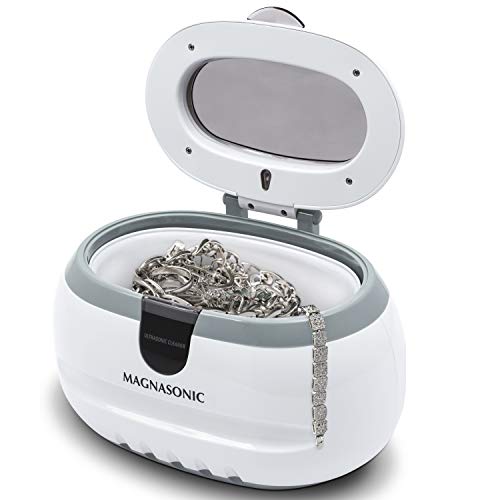
When rust is hiding in screw threads, casting voids, and plane adjuster parts, an ultrasonic cleaner reaches where soaking can't. Fill with water and Evapo-Rust, run a cycle, and come back to clean threads and details. The professional restorer's upgrade.
What we like
Cleans recesses and threads that hand cleaning can't reach
Works while you do something else; load and walk away
What to know
Not safe for japanned surfaces or wooden handles; separate those first
Entry models have limited tank capacity; good for parts, not whole planes
A restored tool isn't done until it's sharp. Flattening the back and honing an edge takes 20 minutes with the right setup (and a lifetime to master). Start with a combination waterstone that handles both rough work and final polish. One stone gets most beginners through their first year without anything else.
Best starter
Norton
IM200 Combination Waterstone 1000/4000 Grit
$89.91 as of Jun 22, 2026
★★★★★Our rating· Only 19 left in stock - order soon.
Two grits in one stone: the 1000 side re-establishes a chipped or neglected edge, the 4000 side refines it to working sharp. Wide enough for most plane irons. The stone most hand-tool woodworkers start on, and the one they keep using for years.
What we like
Two grits in one stone covers rough work through a solid finish
Wide face handles wide plane irons without extra purchases
Waterstone feedback makes sharpening progress easy to see and feel
What to know
Loads up with metal particles; needs flattening every few sessions
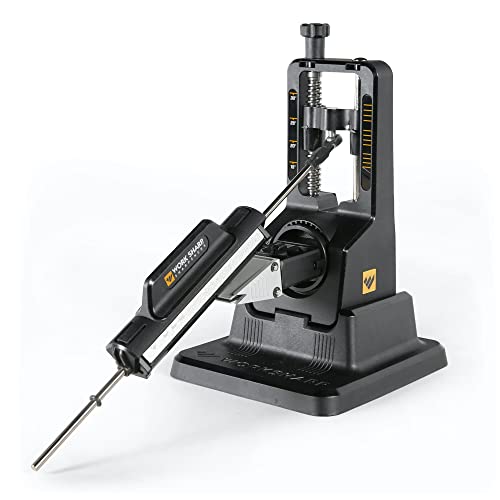
Precision Adjust Knife Sharpener Kit - Fixed Angle Sharpening System for Kitchen & Pocket Knives - Professional Guided Knife Sharpening Tool
$69.95 as of Jun 22, 2026
★★★★☆Our rating· In Stock
Removes the skill barrier from freehand sharpening. Clamp your chisel or iron in the angle guide and draw it through the diamond stones for consistent geometry every time. Ideal for beginners who struggle to hold a steady angle by feel alone.
What we like
Angle guide removes the skill barrier from freehand sharpening entirely
Diamond abrasive needs no flattening or water; grab and go
★★★★☆Our rating· Only 1 left in stock - order soon.
The final step that separates sharp from scary sharp. After your waterstone, a few passes on a loaded strop removes the wire edge and polishes the bevel to mirror bright. This is the difference between a tool that cuts and one that glides through wood.
What we like
Removes wire edge the waterstone leaves behind, the real final step
Loaded leather lasts years with almost no maintenance
What to know
Won't fix a nicked or poorly shaped bevel; that's the stone's job
After rust removal, bare metal oxidizes fast; surface rust can return within days in humid air. Apply a rust inhibitor immediately after cleaning, before the metal sees humid air again. For display pieces, archival wax is the museum-quality choice. For working tools, a penetrating formula protects without gumming up moving parts or saw plates.
Best starter
Boeshield
T-9 Rust and Corrosion Protection (12 oz)
$$
★★★★★Our rating
Originally developed by Boeing for aircraft maintenance, now the standard rust inhibitor for serious tool users. Penetrates into pores, leaves a waxy film that resists humidity, and doesn't attract dust the way oil does. Spray on, wipe lightly, done. Works on plane soles, saw blades, and all bare metal.
What we like
Penetrating formula bonds to metal surface, not just a surface coat
Waxy finish resists humidity without attracting shop dust
What to know
Slightly tacky until cured; don't stack tools immediately after application
★★★★☆Our rating· Only 1 left in stock - order soon.
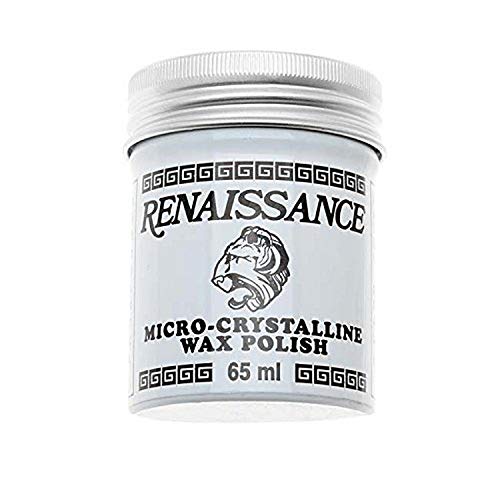
The wax used by the British Museum and the V&A to protect metal artifacts. A thin coat on a cleaned antique tool provides archival-quality protection without altering the look of aged metal. For display pieces or any tool with original japanning, this is the right call.
What we like
Museum-grade protection used on artifacts and antiques worldwide
Doesn't alter appearance of aged metal or original japanning
What to know
More expensive than standard metal waxes
Overkill for working tools; save it for display or high-value pieces
Reading a corroded maker's mark on cast iron takes more than good eyes. At a flea market table, being able to identify a tool faster than the seller is worth real money. A quality loupe and digital calipers let you confirm manufacturer, era, and whether parts are original before you commit to buying.
Best starter
SE
10x Jeweler's Loupe Triplet Lens
$
★★★★★Our rating
A 10x triplet loupe is what clockmakers and gemologists use to see fine detail, and it's what you need to read corroded maker's stamps and casting numbers in the field. Under $15, fits in a shirt pocket, and you will use it at every single market visit.
What we like
Reads corroded maker's stamps and casting details in the field
Pocket-sized; fits on a keychain or in a shirt pocket
Under $15 for a genuine triplet-lens loupe
What to know
Not useful for photographing marks; only for direct viewing
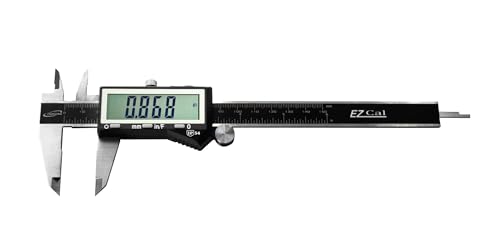
Plane blade widths, chisel socket diameters, and tote-screw sizes are how you confirm whether parts are original and matching. A digital caliper reads to 0.01mm and pays for itself the first time you catch a replaced blade mismatched to its original plane.
What we like
Confirms original parts by measuring against published specifications
0.01mm resolution catches subtle part mismatches between eras
What to know
Takes practice to use quickly; not a high-speed flea market tool
The first flea market visit is overwhelming: too much to look at, no idea what's valuable. Here's the real learning curve: how to find tools, assess condition, clean rust, and get a plane cutting again.
Antique tool collecting has an unusual learning curve. Unlike most hobbies, you can start with essentially no money (your first tool might cost $5 at a flea market table), but the knowledge gap between a beginner and an experienced collector is steep and expensive if you fall into it the wrong way.
The good news: most of the knowledge is learnable in a month of active looking. Here’s what that month actually looks like.
Week 1: Look before you buy
The single most valuable thing you can do in your first week is visit an antique mall or flea market and handle tools without buying any of them. Specifically:
Look for rust patterns. Surface rust is orange-red dust that wipes off or soaks away overnight. Scale rust is thick, flaky, and encrusted. Pitting is the bad one: actual craters in the metal where the iron has been eaten away. Pitting on a plane sole is structural damage that affects how the tool works. Pitting on a blade back means hundreds of strokes on a flattening stone before the tool is usable. Light pitting in low-stress areas is negotiable; heavy pitting on functional surfaces isn’t.
Read the maker’s marks. Most American hand tools from 1850–1940 are stamped with a maker’s name or patent date cast into the iron. Stanley, Millers Falls, Sargent, Ohio Tool, Auburn: learning to read these names confidently is the first real skill. Bring a jeweler’s loupe (10x, triplet lens, under $15). A corroded casting that reads “STANLEY RULE & LEVEL CO.” under magnification is a very different object than an unmarked casting.
Ask what things cost. Dealer prices are all over the place. A common Stanley No. 4 smoother might be $15 at one table and $85 at the next (same type, same condition). Before you buy anything, you need a mental model of fair market value. That takes looking at prices without committing.
Resist buying until you’ve handled at least 50 tools across multiple visits. The calibration is the learning.
Once you’ve done the reconnaissance, buy one thing. Not a set, not a lot, not a mystery box. One tool in a condition you understand.
The best first buy is a common Stanley bench plane in rough but complete condition. A No. 4 smoother or No. 5 jack plane with visible surface rust, an intact casting, and all parts present. Budget $15–30. Complete means: body casting intact (no cracks, no chips), blade present (even if rusty), chipbreaker present, lever cap present, adjustment screws present, tote (rear handle) and knob present even if they’re cracked. Missing parts are buyable but annoying. A cracked tote is replaceable; a missing one adds cost and hunting time.
Cleaning sequence:
Disassemble completely. Remove blade, chipbreaker, lever cap, frog (the wedge-shaped casting the blade sits on), and tote and knob if possible.
Sort wooden parts (tote, knob) from metal parts. Wood does not go into rust remover.
Drop all metal parts into a container of Evapo-Rust. Cover, leave overnight.
Next morning: pull the parts, rinse with water, dry immediately. Any remaining rust? It wasn’t surface rust; it’s scale or pitting. A brass wire brush (soft, never steel on old metal) can help here.
Apply Boeshield T-9 or a light coat of Renaissance Wax to all bare metal before it sees air. Bare clean iron rusts fast.
Sand wooden handles with 220-grit, then 320, then a coat of boiled linseed oil. Let dry 24 hours.
Reassemble.
The entire process takes about 45 minutes of active work spread over two days. When you’re done, you’ll have a tool that looks and functions like it was made in the last decade, and you’ll have learned the process cold.
A clean tool that won’t hold an edge is a decoration. Getting an antique iron (the blade) sharp is the second skill, and it’s where most beginners stall.
The process has three phases:
Flatten the back. The flat side of the blade has to be genuinely flat; any hollow or curve means the edge won’t form properly. Start on the coarse side of your waterstone (1000 grit), hold the blade flat and pull it toward you. You’ll see swirl marks covering the whole back when it’s flat. This takes 5 minutes on a new blade, 20–40 minutes on a badly pitted or hollow antique one.
Hone the bevel. The bevel side is ground at roughly 25–30 degrees. Hold that angle (or use the Work Sharp guided system if you’re struggling) and work the 1000-grit stone in small circles until you can feel a wire edge on the flat side, a tiny burr that rolls over when the sharpening is working. Then switch to the 4000-grit side and refine.
Strop. Finish with six or eight passes on a leather strop loaded with green compound. This removes the wire edge and polishes the bevel. When you can shave arm hair with it, it’s sharp.
Test by shaving end grain off a piece of pine. If it chatters, the edge isn’t flat enough or isn’t sharp enough. If it glides and curls a thin ribbon, you’re done.
Plan on ruining one or two edges before the process clicks. That’s not failure; that’s the tuition.
Week 4: Type studies and what you actually have
By week four, you’ve cleaned and sharpened your first plane. Now comes the deeper game: understanding what you have.
Stanley made the No. 4 smoother essentially continuously from 1869 to the 1980s, but the plane changed constantly: different knob shapes, different frog designs, different iron thicknesses, different adjuster mechanisms. Each variation is called a “type.” Type 1 from 1869 is rare and valuable. Types 11–15 from roughly 1910–1935 are the sweet spot: common, well-made, and cheap. Types 16–20 from after World War II are more modern manufacturing and less desirable to collectors who use their planes.
Patrick Leach’s “Blood & Gore” type study (free online at supertool.com) is the definitive reference. It lists every hardware change by type for every Stanley plane model, with photos. Look up your plane’s type by checking the tote style, the knob style, and whether the frog adjustment screw is present. This takes about 20 minutes the first time and 2 minutes after that.
Why does this matter? Because a Type 2 No. 4 might be worth $400 at auction, and you’d feel bad selling one for $35 because you didn’t know what you had. You’d also feel bad paying $200 for a Type 15 because someone told you it was rare. The type study is the difference.
What month two looks like
The collector who has done one market visit, one buy, one clean, one sharpening, and one type study is ahead of 90% of people who call themselves beginners. Here’s where the hobby branches:
If you’re drawn to using the tools: Buy a second plane (a No. 5 jack or a No. 7 jointer) and start building something. The community of people who use vintage tools is large, welcoming, and full of people who will answer your questions for free. Reddit’s r/handtools is good; the MWTCA and EAIA forums are better.
If you’re drawn to collecting specifically: Start attending tool swaps and meets. The regional clubs (MWTCA in the Midwest, EAIA on the East Coast) run sales where collectors buy from each other at fair prices, not dealer prices. This is where you find the unusual pieces.
If you want to go deeper on planes: Read Don McConnell’s plane type studies for the makers beyond Stanley. Millers Falls, Sargent, Ohio Tool, and Union all have their own type studies and their own collector communities. Millers Falls No. 22 smoothers and Sargent No. 414s are genuinely great planes that sell for a fraction of their Stanley equivalents because fewer people know the names.
The habit that separates good collectors from mediocre ones: never stop handling things you don’t plan to buy. Every tool you pick up and examine adds to your database. That database is what keeps you from overpaying and helps you spot the underpriced thing on a table full of junk.
Save your money
What you don't need yet
Beginners get pressured to buy a lot of stuff that doesn't help them play
better. Here's what we'd skip on day one.
Bench grinder or angle grinder — Too aggressive for antique edges; overheats and destroys the temper. Waterstones are the safe sharpening method for old steel.
Power wire wheel — Strips patina, maker's marks, and japanning along with the rust. Hand cleaning preserves original surfaces and value.
Complete matched sets — Matched sets command premiums. One excellent individual plane beats six mediocre ones in a labeled box.
Specialty planes (type 55, router planes, plow planes) — Complex, expensive, and collectible in their own right. Master bench planes before chasing specialty types.
First week
Your first seven days
A short, real plan to get from gear-on-doorstep to actually playing.
Order The Handplane Book before your first market visit, or at least bookmark Patrick's Blood & Gore online type study. · Buy
Visit a local antique mall or flea market and handle tools without buying anything yet. Calibrate your eye for what surface rust looks like versus pitting, and what dealers are actually asking. · Action
Order Evapo-Rust and a plastic storage container to soak in before you buy your first tool. You want to be ready to clean the moment you get home. · Buy
Join a regional tool collector club. In the US: the Mid-West Tool Collectors Association (MWTCA) or the Early American Industries Association (EAIA). Meets, swap sales, and knowledge you can't get from books. · Action
MWTCA · Mid-West Tool Collectors Association: meets, sales, expert community
EAIA · Early American Industries Association: scholarly focus, annual meets
Order a Norton waterstone and practice sharpening on a cheap modern chisel before touching your first antique iron. Learn the motion first. · Buy
Search eBay sold listings for the same model plane or chisel you're considering buying. Sold prices (not asking prices) are your real market data. · Action
FAQ
Common questions
Where do I actually find antique hand tools to buy?
Estate sales and barn sales are the best sources; prices are set by family members who know sentimental but not collector value. Antique malls are priced higher but curated. Online, eBay is the largest market but photos hide condition issues. For premium pieces, Martin Donnelly Antique Tools runs well-regarded auctions.
What's the best antique tool to start collecting?
Stanley bench planes, especially the No. 4 smoother and No. 5 jack plane. Common enough to find cheaply, specific enough to learn type studies on, and useful enough to actually sharpen and use. A good Type 11-15 No. 4 in decent shape should cost $20–40 at a flea market.
Is surface rust a dealbreaker?
Surface rust (orange-red dust) is completely fine; it cleans up overnight in Evapo-Rust. What you're watching for is pitting: pockmarked craters where the iron has been eaten away. Light pitting on a blade back can be flattened out with effort, but deep pitting on a plane sole is a problem that won't go away.
Can I actually use antique tools, or are they just for display?
Both, and that's the appeal. A restored Stanley plane in good condition performs as well as anything made today, and better than most modern imports. Plenty of collectors use their tools daily; others keep pristine examples for display and use beaters for actual work.
What is a Stanley type study and why does it matter?
Stanley made the same planes for decades but changed details constantly: knob shape, iron thickness, adjuster design. Each change created a type (Type 1 through 20+ for some models). Type studies identify exactly when a plane was made based on those hardware changes, which determines collectibility and value. A Type 2 No. 4 from 1869 can be worth ten times a common Type 15 from 1931.
How do I clean original japanning without destroying it?
Don't soak japanned surfaces in Evapo-Rust or any acid; it strips the japanning. For planes with original japanning (the black enamel-like coating), clean with a rag damp with mineral spirits, then protect with Renaissance Wax. Light rust on japanned surfaces responds to 0000 steel wool used very gently.
Patrick's Blood & Gore (Patrick Leach) — The definitive free online type study for Stanley planes. Hundreds of pages of dating information and condition notes. Bookmark it immediately; you'll use it constantly.
Mid-West Tool Collectors Association (MWTCA) — The largest tool collector organization in the US. Regular meets, swap sales, and a community of experts who will identify tools for free. Annual membership is worth it.
Early American Industries Association (EAIA) — Scholarly organization focused on pre-industrial American tools and crafts. Annual meetings, publications, and a research library for serious collectors.
r/handtools — Active subreddit covering vintage and new hand tools. The wiki on plane types is beginner-friendly; the community answers identification questions quickly.
eBay Sold Listings (antique tools) — Filter by Sold to see real transaction prices, not asking prices. This is your most accurate real-time pricing data, updated daily.
As an Amazon Associate, JustBeginning earns from qualifying purchases.
We may also earn commission from other affiliate programs linked on this
page. Editorial recommendations are independent; we don't choose
products based on commission rates.
Product prices and availability are accurate as of the date and time
indicated and are subject to change. Any price and availability
information shown on Amazon at the time of purchase will apply.

 Best starter