Antiquing rewards the careful browser over the impulsive buyer, but you still need a few things before your first trip to the antique mall. A loupe, a good reference book, and something to carry your finds. This guide covers what to bring, what to learn before you go, and what to skip until you know what you're actually hunting.
By Colin B. · Published May 23, 2026 · Last reviewed June 3, 2026
Antiquing startup costs are modest: a reference book and a loupe. The real spend is on the antiques themselves, and you control that.
We earn commission on qualifying Amazon purchases — see our
affiliate disclosure.
Price tiers and budget totals shown above are editorial estimates;
actual Amazon prices vary.
At a glance
Our top pick in each category
The fastest path through this guide — each best-starter pick by category.
Scroll for the budget and upgrade alternatives.
Don't specialize yet. Walk through a few antique malls and notice what keeps pulling your attention: furniture, ceramics, glass, jewelry, vintage toys. Your focus will declare itself within a few trips. Buying specialty reference books before that moment is guessing.
Condition matters more than age. A Victorian lamp that's been repainted, wired badly, and lost its original shade is worth less than a slightly younger lamp in untouched original condition. Learn what 'originality' means before you fall in love with something.
Price guides are a starting point, not the ceiling. Kovels' and similar guides show what things have sold for, but regional markets vary enormously. Identical pieces go for three times as much in Manhattan as in rural Ohio. Know your local market.
Reference books are your first line of defense against overpaying, and your best teacher about what you're looking at. Kovels' is the go-to annual price guide, updated each year with real sold prices from dealers and auctions. Beyond pricing, you need identification guides for whatever draws your eye: pottery marks, furniture periods, glass patterns. Most beginners start with a general guide and add specialty books once their focus narrows. Don't buy specialty books until you know what you like. You may discover you care more about Depression glass than Victorian furniture.
Reference Books — what's the difference?
A few common shapes, each making a different trade.
General / All-Around
One book, every category. The starting point before your focus narrows.
Best for
First-timers
Coverage
700+ categories
Best for Anyone in their first year of antiquing
Tradeoff Broad but not deep; limited detail on any single category
★★★★★Our rating· Only 1 left in stock - order soon.
Kovels' has been the standard antique price guide for decades, for good reason. The annual edition covers over 700 categories (furniture, pottery, glass, silver, toys, clocks) with real sold prices from dealers and auctions. Buy the current year's edition. Carry it to the mall. When you see something, check it. You'll understand the market within your first afternoon of browsing.
What we like
700+ categories (the broadest coverage of any single price guide)
Updated annually with real sold prices from dealers and auctions
Small enough to carry to the antique mall and check on the spot
What to know
Breadth means some categories get only a page or two of depth
Regional price variation not captured (just national averages)
★★★★☆Our rating· Only 1 left in stock - order soon.
Where Kovels' is a price guide with photos, Miller's is an identification guide with market context. Heavier and denser, but the photography and category depth are unmatched. The standard reference for ceramics, silver, and furniture identification that most serious collectors keep on the shelf at home.
What we like
Photography and identification depth that Kovels' simply can't match
The standard reference most serious dealers keep at home
What to know
Heavy and expensive, a home reference, not a field guide
UK-centric pricing; less useful for strictly American antiques
The antique market rewards people who look more carefully than everyone else. A 30x loupe lets you read maker's marks, spot hairline cracks, and examine repairs at the glaze level. A UV black light reveals repairs, repaints, and non-original materials that look fine in normal light. Cotton gloves let you handle delicate items without leaving oils that accelerate tarnish. The whole kit runs under $60 and immediately changes how you approach every piece you pick up.
Best starter
Fancii
30X Professional Jeweler's Loupe with LED Light
$
★★★★★Our rating
A 30x loupe is how professionals inspect every piece before buying. You're looking for maker's marks, crazing in pottery glazes, and repairs disguised with touch-up paint. The built-in LED matters; antique shops are dim and you need light right at the subject. Folds flat to pocket size, and pays for itself the first time you spot a flaw you'd have paid for.
What we like
Built-in LED illuminates maker's marks in dim shop lighting
Folds flat to pocket size, easy to carry on every trip
30x magnification reveals cracks, repairs, and marks clearly
What to know
Requires technique; takes a few sessions to use comfortably
Single lens only; no stereo depth view like a microscope offers
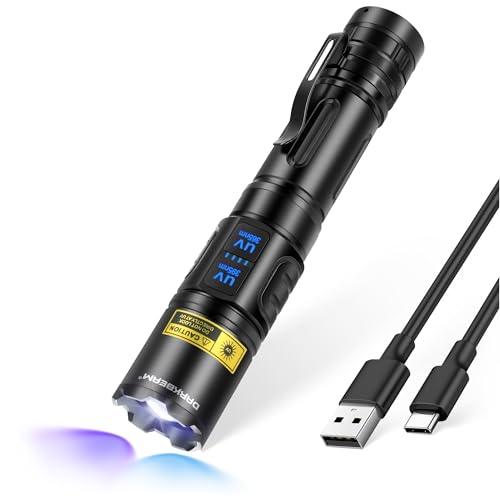
UV Flashlight 365nm & 395nm Dual Black Light, Blacklight USB Rechargeable LED Ultraviolet Flashlights, Powerful Focusable Woods Lamp Pet Urine Detector, for Uranium Glass, Resin Curing
$19.99 as of Jun 22, 2026
★★★★☆Our rating· In Stock
UV light is the inspection trick most beginners don't know about. Repairs, repaints, and certain materials fluoresce differently; things that look perfect in daylight become obvious under UV. A 365nm flashlight is notably more accurate than the cheaper 395nm type, which washes out subtleties. Takes ten seconds to learn; reveals things decades of normal observation might miss.
What we like
365nm wavelength reveals repairs and repaint invisible in daylight
Instantly shows if porcelain has been filled, repainted, or restored
What to know
Some shops prohibit UV use on merchandise; always ask first
Less useful on wood, most textiles, or dark metals
Finger oils accelerate tarnish on silver and leave marks on gilded surfaces that are difficult to remove. A pack of lint-free cotton gloves lets you handle delicate pieces properly, and signals to dealers that you know what you're doing. Under $15 for a pack that lasts a year.
What we like
Protects gilded and silver surfaces from finger-oil tarnish
Signals to dealers that you handle pieces with care
What to know
Makes glass and ceramics slippery; skip on rounded surfaces
Cotton snags on rough wood grain; use bare hands on textiles
What you carry to the antique mall shapes how you browse. You want a bag large enough to hold your reference guide, a phone, a measuring tape, and a notebook. The tape measure is more useful than it sounds; dealers rarely have one, and you need to know whether that dresser fits your hallway before you negotiate. A notebook for jotting booth numbers and prices across multiple shops beats trying to remember seven rooms of inventory on the walk back to your car.
Best starter
Lands' End
Open Top Canvas Tote Bag
$$
★★★★★Our rating
A sturdy canvas tote is the default bag for antique browsing, large enough for reference books, soft enough not to scratch anything you're handed, and durable enough to survive years of mall visits. Nothing flashy, just practical. Lands' End's holds its shape even when loaded with a heavy price guide and a couple of small finds.
What we like
Soft sides won't scratch items or bump fragile shelf displays
Large enough for a reference book, coat, and a few small finds
What to know
No interior organization; everything shifts around inside
Not safe for transporting fragile purchases without extra padding
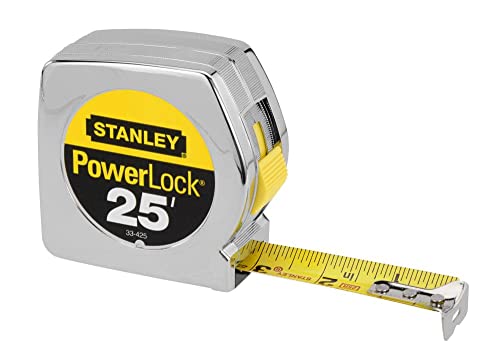
You will need a tape measure. Dealers almost never have one. Whether you're checking if a mirror fits above your fireplace or a hutch clears your ceiling, you need actual numbers before you commit. A compact tape lives in your tote without adding noticeable weight.
What we like
Dealers almost never have a tape; you'll use this every single trip
Compact enough to toss in a tote without noticing the weight
What to know
Steel blade edges can scratch lacquered or gilded surfaces
Longer than you need; a 12-foot would cover most antique pieces
Antiques degrade from improper storage faster than most people expect. Acidic cardboard and newspaper off-gas onto surfaces over years, accelerating rust and foxing. Rubber bands leave marks on silver. Regular tissue paper is acidic. Archival materials are cheap, often the same price as craft-store equivalents, and they're the correct default for anything you plan to keep for more than a year. Start simple: acid-free boxes and tissue paper cover 90% of what you'll bring home.
Best starter
Lineco
Archival Museum Drop-Front Storage Box
$26.99 as of Jun 22, 2026
★★★★★Our rating· In Stock
Lineco is the brand conservators and museum libraries use for archival storage. Their acid-free clamshell boxes are the correct container for paper ephemera, photographs, textiles, and most flat collectibles. More durable than craft-store hat boxes and genuinely pH-neutral; the difference matters over years, not weeks.
What we like
pH-neutral materials won't off-gas onto paper or textiles over time
The archival standard used by museum libraries and conservators
What to know
More expensive than craft-store boxes, but the difference is real
Measure carefully before ordering; returns on bulky items are awkward
500 Sheets 15 x 20 Inch Acid Free Tissue Paper for Storage, Unbuffered No Acid Papers White Tissue Paper Large Wrapping Papers Bulk for Preserving Clothing Festival Mother's Day Gift Wrap
$20.99 as of Jun 22, 2026
★★★★☆Our rating· In Stock
Tissue paper for wrapping doesn't sound specialized until you've used regular tissue and watched it leave acid burns on silver over six months. Acid-free tissue goes between any piece and its packaging. Use it generously when storing ceramics, wrapping silver, or protecting gilded frames from contact with other surfaces.
What we like
Won't transfer acid onto silver, porcelain, or paper over time
480-sheet bulk pack lasts a long time at normal collector volume
What to know
Useless if stored in non-archival cardboard; pair with the right box
Too fragile for padding; layer bubble wrap over tissue for transport
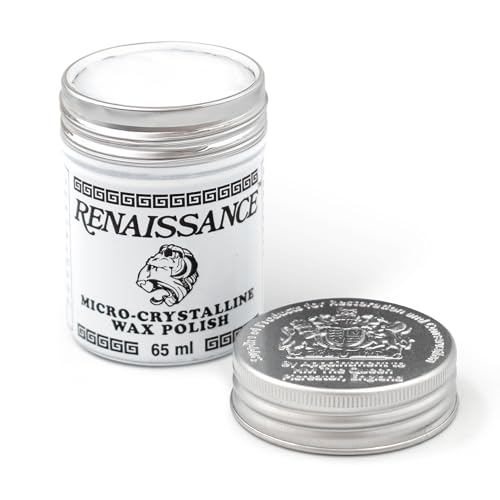
The golden rule of antique conservation: do the minimum. Overcleaning destroys patina and value faster than neglect. The professionals' first move is always a dry microfiber cloth, and often that's enough. Renaissance Wax is the conservator's choice for metals, painted wood, and almost anything that needs protecting, not stripping. Harsh cleaners remove the oxidation that gives old silver its depth and erase the wear patterns that authenticate age. When in doubt, leave it alone.
Best starter
Renaissance
Wax Microcrystalline Wax Polish
$23.52 as of Jun 22, 2026
★★★★★Our rating· In Stock
Renaissance Wax is what the British Museum uses. That's not marketing. It's a fact that tells you everything about why you should own it. A single tin protects metals, painted wood, leather, bronze, and silver with a barrier that doesn't strip or alter the surface. It's the one cleaning product we'd put in every antique collector's kit.
What we like
Used by the British Museum, the professional conservation standard
Works on metals, wood, leather, bronze, silver, and most surfaces
Protects without stripping patina or altering the original surface
What to know
Tin runs $20-25, pricier than hardware-store paste wax
Apply sparingly; overloading the surface leaves a cloudy film
Dry brushing is the safest first cleaning step for most antiques: dust removal with zero risk of chemical damage. A set of soft natural-bristle brushes in different widths covers carved wood, ceramics, frames, and everything in between. Buy artist-grade brushes, not hardware-store equivalents: the bristles are softer and won't leave marks.
What we like
Artist-grade bristles are too soft to scratch even gilded surfaces
Dry brushing is always the safest first step for any antique
What to know
Not scrubbing tools; gentle strokes only, never any pressure
Bristles hold moisture; dry fully before use on fragile pieces
You don't need to know anything before your first antique mall trip. Here's what to do when you get there, what to look for, and how to stop overpaying within your first month.
Antiquing has an intimidating reputation. Dealers who know things you don’t. Price tags with no explanation. Competing with people who’ve been doing this for thirty years. The truth is more forgiving: most dealers are happy to talk, most malls welcome browsers, and most of what you need to learn you’ll learn by doing. Two weekends in an antique mall teaches you more than two months of reading.
Here’s what your first weekend actually looks like, and how to make the second one smarter.
Trip one: just look, don’t buy
The first trip has one job: figure out what you actually care about. Not what you think you’ll care about. What pulls you in when you’re standing in front of it.
Walk every aisle of the mall without stopping too long. Notice what makes you slow down. Is it furniture? Ceramics? Art glass? Old tools? Vintage advertising? Jewelry? Ephemera (prints, postcards, photographs)? Most people who get serious about antiquing find one category that becomes their thing within a few visits. You don’t need to know what it is yet. You’re just watching for the signal.
A few things to do on this first trip even if you don’t buy anything:
Ask at least one dealer about a piece. Pick something in their booth that you’re genuinely curious about and ask: “What can you tell me about this?” Good dealers will spend ten minutes on the history, the maker’s marks, why this piece is interesting. You’ll learn more in one conversation than in an afternoon of reading.
Look at condition, not just appearance. Pick up pieces and turn them over. Look for repairs: filled chips on ceramics show up as dull spots in the glaze. Look for evidence of refinishing on furniture: runs in the lacquer, edges that are too clean. An honest piece wears its age consistently.
Check the prices on everything, even things you’d never buy. You’re building a mental price map of the category. A piece of Depression glass that should be $15 is $35 in this booth. A $200 piece of art pottery seems to be everywhere. What makes one worth more than another?
Come back within a week or two, with three things: a loupe, a copy of Kovels’, and a rough sense of what pulled you in last time.
The loupe changes everything. Maker’s marks you couldn’t read are suddenly legible. Hairline cracks invisible to the naked eye show up clearly. You’ll start examining the bottom of every piece you pick up, and you’ll start understanding what you’re reading there: country of origin marks, date codes, signatures, pattern numbers.
What you’re looking for varies by category:
Ceramics and porcelain: Check the base for marks. A piece marked “Made in Occupied Japan” dates to 1945-1952 (specific and meaningful). Look for crazing (fine cracks in the glaze), which is normal and expected. Look for chips, cracks, and repairs, which affect value significantly.
Glass: Look for mold seams, pontil marks, and color consistency. Reproduction Depression glass often has slightly wrong proportions or colors. Hold it to the light.
Silver and metals: Look for hallmarks: the stamps that indicate metal content and, in British silver, the year and maker. American silver is marked “Sterling” or “925”. Silverplate is marked “EP” (electroplate) or similar.
Furniture: Open drawers and look at the back of the piece. Machine-cut dovetails (perfectly uniform) indicate post-1870s production. Hand-cut dovetails are irregular. Look at how the piece is joined: screws, nails, or wooden pegs each suggest different periods.
Use Kovels’ before you negotiate. You don’t need to be subtle about looking something up in the price guide; dealers expect it. Find the category, find a comparable piece, and see what the national averages look like. Remember: Kovels’ shows you what things have sold for. Your local market may be 30% higher or 30% lower depending on where you are.
Negotiating is expected at antique malls, but there’s a protocol that keeps it comfortable:
The standard ask: “Is this your best price?” or “Is there any flexibility on this?” Most dealers are authorized to come down 10-20% without calling anyone. Cash often gets you an additional discount; ask “Do you take cash?” or “Any better if I pay cash?”
Know when to walk away. If a dealer says the price is firm and you think it’s high, thank them, take a photo for reference, and walk. Come back in a month. Things that haven’t sold often get repriced.
Don’t lowball. If a piece is marked $100 and you offer $30, you’ve signaled that you either don’t understand the market or don’t respect the dealer’s knowledge. The rule of thumb: never go below 70% of the asking price as your opening offer. Work from there.
Bundling works. If you want three things from one dealer, ask for a price on all three together. Dealers would rather move multiple pieces at once.
What to learn in your first month
By the end of your first few trips, you should have a rough answer to: what category interests you most? Once you know that, your next moves are specific:
Find the specialty price guide for your category and buy it. Kovels’ broad guide is your foundation; a specialist guide goes deeper on marks, variations, and value factors you won’t find in the general volume. The community on r/Antiques will tell you which guides are authoritative for your category.
Join the online community for your category. There are active communities for glass collectors, pottery collectors, vintage jewelry, mid-century modern, and almost anything else you might focus on. These communities offer free identification help, market intelligence, and the occasional heads-up about a good buy. Post photos; people will help.
Start tracking what things sell for. Check WorthPoint (subscription, but worth it once you’re buying regularly) or search completed eBay listings for comparable pieces. Ask prices tell you what sellers hope to get; sold prices tell you what the market actually pays.
Make a few small buys at low prices. The act of committing, paying, and living with a piece teaches you things that browsing doesn’t. You’ll discover what you actually like versus what looked interesting in the mall. Keep early buys under $30 until you have a better feel for the market.
Save your money
What you don't need yet
Beginners get pressured to buy a lot of stuff that doesn't help them play
better. Here's what we'd skip on day one.
A specialty reference library — Buy Kovels' first. Specialty books make sense after a few months, once you know what you're actually collecting.
A professional-grade microscope — A 30x loupe handles 95% of what a beginner needs to see. Save the microscope for authenticating genuinely valuable pieces.
Restoration chemicals and strippers — Overcleaning destroys value. Until you've handled dozens of pieces, the risk of removing patina far outweighs any benefit.
An antique dealer license or booth — Many collectors eventually become dealers, but not yet. Learn to buy well before you try to sell.
Collectibles insurance riders — Worth it once you've spent over $2,000 on your collection. Overkill in your first year unless you buy one very expensive piece early.
First week
Your first seven days
A short, real plan to get from gear-on-doorstep to actually playing.
Visit two or three local antique malls this week; just browse, don't buy yet. · Action
Antique Trail · Dealer directory organized by state and town
Order Kovels' Price Guide (current year) and carry it on every mall trip. · Buy
Notice what keeps pulling your attention. Furniture? Ceramics? Glass? Jewelry? Toys? Your focus will declare itself. · Learn
Ask one dealer to explain a piece to you. Good dealers love talking about what they carry. This is the fastest learning shortcut available. · Action
Make one small, low-stakes buy (something under $20). The act of negotiating and committing teaches you things that browsing alone won't. · Action
FAQ
Common questions
How much do I need to spend to start antiquing?
Almost nothing to browse, and very little to equip yourself. A reference book ($25-35) and a loupe ($15) are the only tools you need in your first few months. What you spend on actual antiques is up to you. Interesting pieces start around $5-25, and you can build a real collection slowly.
How do I know if something is authentic or a reproduction?
This is the skill that takes years to develop, but reference books are your first shortcut. Look for wear in the right places (artificially aged items show wear uniformly), maker's marks that match the period, and construction methods appropriate to the era. A UV light will reveal repairs and repaints. When in doubt, buy from reputable dealers with return policies.
Is it rude to negotiate at antique malls?
No, it's expected. Most dealers price 10-20% above what they'll accept. The polite ask is 'Is this your best price?' or 'Is there any flexibility?' Cash discounts are common. Never lowball by more than 30%; it's insulting to dealers who know their inventory well.
Should I focus on a specific category or collect broadly?
Collect broadly at first. Most collectors find one category they genuinely obsess over within 6-12 months: furniture, ceramics, glass, silver, ephemera. Until that happens, buying across categories teaches you the market. Once you find your niche, the depth you can build is far more satisfying than a scattered collection.
How do I clean something I just bought?
Carefully, and minimally. Start with a dry microfiber cloth. If needed, a barely-damp cloth for ceramics and glass. For metals and wood, Renaissance Wax is the professional's choice; it protects without stripping. Avoid commercial polishes, which are abrasive. Avoid anything that strips patina. When in doubt, leave it alone until you can research the specific material.
What's the difference between antique and vintage?
By U.S. Customs definition, 'antique' means over 100 years old. 'Vintage' is looser, typically 20-80 years old from a recognizable era. Dealers use both terms loosely. The distinction matters for import tariffs and formal auctions; for casual collecting, focus on condition and whether you love the piece.
Kovels' Online — The online companion to Kovels' print guide. Free price searches, identification guides, and a collector newsletter. Start here for quick lookups between editions.
WorthPoint — Subscription database of past auction and dealer sales with photos. The most comprehensive sold-price reference available. Subscription required after a few free searches, worth it once you're buying regularly.
Ruby Lane — Curated online antique marketplace. Good for price-checking what dealers are actually asking in your category; search and see the asking prices before you head to the mall.
r/Antiques — Active community for identification help and pricing questions. Post a clear photo and experienced collectors typically respond within a day. The best free identification resource on the internet.
1stDibs — High-end dealer marketplace. Useful for seeing what authenticated, museum-quality examples look like and their top-end pricing, setting your ceiling expectations.
Antiques Roadshow (PBS) — The single best free education in antique identification, authentication, and valuation. Watch appraisals in your category of interest. The PBS archive goes back decades, genuinely educational viewing.
As an Amazon Associate, JustBeginning earns from qualifying purchases.
We may also earn commission from other affiliate programs linked on this
page. Editorial recommendations are independent; we don't choose
products based on commission rates.
Product prices and availability are accurate as of the date and time
indicated and are subject to change. Any price and availability
information shown on Amazon at the time of purchase will apply.
Our top pickKovels' Antiques & Collectibles Price Guide 2023


 Best starter