Bass is the instrument everyone feels but nobody notices — until it's gone. The good news: it's one of the more forgiving instruments to start on. Four strings, wider frets than guitar, and you can be playing real songs within a week. The catch: like electric guitar, a bass is silent without an amp. Here's the complete setup, minus the gear you can skip for now.
By Colin B. · Published May 22, 2026 · Last reviewed June 3, 2026
A solid bass rig runs $400-$550: about $250-280 for the bass, $120-150 for an amp, $25 for a real cable, and $40-50 for a strap, tuner, and strings.
We earn commission on qualifying Amazon purchases — see our
affiliate disclosure.
Price tiers and budget totals shown above are editorial estimates;
actual Amazon prices vary.
At a glance
Our top pick in each category
The fastest path through this guide — each best-starter pick by category.
Scroll for the budget and upgrade alternatives.
Don't buy a starter 'pack.' Amazon bass bundles (bass + amp + cable + bag for $200) exist and are universally bad. The amp is a toy, the cable will fail in weeks, and the bass's setup is so poor it actively discourages practice. Spend a bit more and build the rig piece-by-piece — each component actually works.
You don't need a 5-string bass to start. Five-string basses have a lower B string that opens up range for certain styles. But a 4-string covers 95% of all music ever recorded, has a simpler neck, and is the right learning tool. Start on four strings, full stop.
Short-scale vs. full-scale is a real decision worth making deliberately. Full-scale (34") is standard — fuller tone, slightly longer reach between frets. Short-scale (30"-32") has a shorter stretch and lighter weight, making it genuinely easier for smaller hands or kids. It's not a compromise; it's a real instrument. See the variants section below.
For beginners, two basses dominate the conversation: the Squier Affinity Precision Bass and the Ibanez GSR200. The Squier is the consensus pick — Fender's budget brand, same body as a real Fender P-Bass, and a neck that feels right from day one. The Ibanez is lighter with a slimmer neck profile, which appeals to players coming from guitar. Both run $230-280 and will last three years of regular playing before an upgrade feels necessary. The Fender Player P-Bass is the upgrade; the Squier Mini is the short-scale option for smaller hands.
The bass — what's the difference?
A few common shapes, each making a different trade.
Full-scale (34")
Standard bass. Fuller tone, more string tension, slightly longer reach between frets.
Scale length
34"
String tension
Standard
Tone
Fuller, deeper
Best for Most beginners — any genre, any hand size that isn't notably small
Tradeoff Slightly longer fret reach vs. short-scale; takes a session or two to get used to
Affinity Series Precision Bass, Black, Maple Fingerboard
$369.99 as of Jun 22, 2026
★★★★★Our rating· Only 9 left in stock (more on the way).
The recommendation you'll get from every working bassist who was once a beginner. Split-coil P-pickup (the one on thousands of records), C-profile neck, and real Fender heritage at a fraction of the price. Around $280. The PJ variant adds a bridge pickup for tonal range as you develop your ear.
What we like
Fender DNA at a fraction of the cost — feels legitimate from day one
PJ pickup combo covers more tonal ground than a single-coil P-Bass
Build quality is consistent; almost no duds off the production line
What to know
Factory setup needs a $40 shop adjustment to reach its potential
Heavier than the Ibanez GSR200 — noticeable after a long session
★★★★☆Our rating· Only 4 left in stock - order soon.
The other consensus first bass. The GSR200 is lighter than the Squier, has a slimmer neck profile that suits players with smaller hands or a guitar background, and Ibanez's onboard bass boost adds punch at under $230. Ibanez's quality control is consistent at this price — you almost never get a dud out of the box.
What we like
Slimmer neck profile than the Squier — easier for guitar players or small hands
Onboard bass boost adds punch without spending more on pedals
What to know
Active electronics require a 9V battery — keep a spare in your case
Slightly thinner tone than the Squier's passive P-pickup
When you're ready to step up from Squier, this is where most bass players land. Same P-Bass body and neck profile, but with better pickups, improved electronics, and the full Fender headstock. Around $750. Wait until you've played 6-12 months — your ear will tell you when the Squier starts feeling like a ceiling.
What we like
Significant step up in pickups and electronics over the Squier Affinity
Full Fender build quality — will last decades with proper care
What to know
$750 is real money — earn this upgrade with 6-12 months of consistent play
Buy from Sweetwater, not Amazon, to get a pro setup included
The right call for players with smaller hands, kids, or anyone who found the full-scale neck reach uncomfortable. 28.6" scale length shortens the fret reach dramatically. Around $200. Not a toy — a real Squier P-Bass that happens to be easier to play. Adults often prefer it regardless of hand size.
An electric bass is nearly silent without an amp — the acoustic sound is too quiet to hear what you're actually playing. Bass amps are voiced differently from guitar amps: they handle lower frequencies and move more air. Don't plug a bass into a guitar amp at volume — at anything above low levels, the low frequencies can stress a guitar speaker and damage it. The cable is just as important: cheap cables crackle, develop hum, and fail within months. Budget $25 for a real one and stop thinking about it.
Best starter
Fender
Rumble 25 Bass Amp
$149.99 as of Jun 22, 2026
★★★★★Our rating· In Stock
The most-recommended first bass amp, and the recommendation is deserved. 25 watts, 8" speaker, onboard EQ (bass/mid/treble), overdrive channel, headphone out for silent practice, and aux in so you can play along with songs from your phone. Clean, punchy low end at bedroom volumes. Around $120. Compact enough for any room.
What we like
Headphone out for silent practice at midnight — genuinely useful
Aux in lets you play along with phone music without extra gear
What to know
25 watts won't cut through a drummer — get the Rumble 40 for rehearsals
The step up when you need to be heard. 40 watts, 10" speaker, more headroom before breakup. Gets you to rehearsal volume with a quiet drummer and doubles as a small gig amp with its DI out. Same tone controls and headphone/aux features as the Rumble 25. Around $220. Buy this if you already know you'll be playing with other people.
What we like
Enough headroom for rehearsals with a restrained drummer
DI out means it doubles as a small-venue stage amp
What to know
Still not enough for loud drummers — full band needs 100+ watts eventually
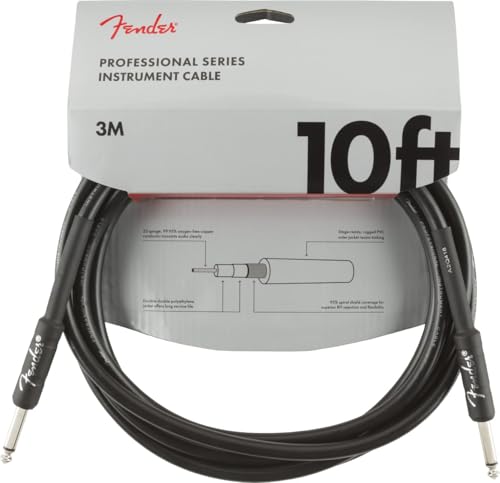
Cheap cables fail — they crackle when you move, develop hum, or go silent mid-practice. A real cable lasts a decade. Spiral shielding (kink-resistant), heavy-duty strain relief at both ends, genuinely quiet. Around $25. Buy it once and forget about it.
What we like
Spiral shielding stays quiet even when you move around
Built to last a decade — buy once and forget about cables
What to know
10 feet limits movement; get the 20-foot version if you plan to perform
Bass strings last longer than guitar strings — months of regular play, not weeks — but they still go dead, and dead bass strings sound muddy and lifeless. A clip-on chromatic tuner is the fastest way to stay in tune and is essential from day one. The strap is easy to overlook and easy to regret: most basses weigh 8-10 lbs, and a thin strap digs into your shoulder inside one song. Get a wide padded strap before your first session.
Best starter
D'Addario
EXL170 Bass Guitar Strings
$17.99 as of Jun 22, 2026
★★★★★Our rating· In Stock
The most popular beginner bass string set, full stop. 45-100 regular light gauge — responsive, bright, and easy on fingers while you're building calluses. D'Addario shows up in nearly every professional bassist's case. Grab two sets at once; strings go dead and you'll want a spare on hand.
What we like
Light gauge (45-100) is easier on fingertips while calluses develop
Most popular beginner bass string — your teacher knows exactly what you have
What to know
Dead strings sound muddy — swap every few months of regular playing
The default beginner tuner for bass and guitar alike. Clips to the headstock, big clear display, around $15. Chromatic means it works on every instrument you'll ever own. Five seconds to tune up — no excuses for practicing out of tune.
What we like
Clips to the headstock — tunes in five seconds before every session
Works on any instrument you'll ever own, not just bass
What to know
Stays powered when clipped on — remove between sessions or the battery drains
Basses are heavy. 8-10 lbs on a thin strap becomes a shoulder problem within a song. Levy's makes straps working bassists actually use: 3 inches wide, padded, adjustable from short to long. Around $35. The strap that came with your bass (if any) is not this strap.
What we like
3-inch foam padding spreads the bass weight across your shoulder properly
Adjustable length accommodates both seated and standing positions
What to know
Leather is stiff out of the box — takes a few sessions to break in
A bass on a stand in your living room gets picked up five times more than one in a case in a closet. The stand is a habit-formation purchase disguised as gear. For learning structure, the Hal Leonard Bass Method is the standard beginner curriculum — used in lessons nationwide for decades. Scott's Bass Lessons online is the go-to free video supplement once you have the basics. Don't pay for any online subscription until you've finished SBL's free beginner track.
Best starter
Hercules
GS415B Guitar and Bass Stand
$$
★★★★★Our rating
The stand professionals use. The Auto Grip yoke locks around the neck under the instrument's weight — a curious cat can't tip it over. Foam contact points won't scratch the finish. Around $40, lasts indefinitely. Generic $12 stands work until they don't; when a bass falls, it's a bad day.
What we like
Auto Grip yoke locks around the neck under weight — cat-proof
Foam contact points won't mar the finish even with extended contact
What to know
More expensive than generic stands, but one fallen bass costs far more
The standard beginner bass method, used in lessons for decades. Covers technique, note reading on the bass clef, rhythmic patterns, and basic theory. Around $25. Replaces the first four to six months of paid lessons if you work through it systematically. Pair with SBL's free videos when you want to see a hand position in motion.
What we like
Three-book curriculum covers technique, notation, and theory systematically
Replaces the first 4-6 months of paid lessons if worked through properly
What to know
Notation-heavy from page one — overwhelming if you just want to play songs first
Bass sounds approachable from day one — four strings, no chords. The real challenge is groove: playing in time, every note intentional, locking in with the kick drum. Here's how the first 30 days unfold.
Bass has a reputation for being easy to start, and that reputation is mostly earned. You’re not playing chords on day one. You’re playing one note at a time, in a pattern, in rhythm. Within a week you can play a bassline recognizable as music. Within a month you can play along with a recording and have it actually sound right.
The challenge is subtler than it looks. Bass isn’t hard to play — it’s hard to play well. The gap between “making sounds” and “locking in with a band” is where most beginners stall. The notes aren’t the hard part. The groove is.
Here’s the realistic month, assuming 20 minutes of daily practice.
Week 1: Get a sound, play your first bassline
Day one is plug-in day. Bass into amp with the cable, volume on the amp at 2, volume on the bass at full. Pluck the open E string — the lowest string, the thick one. If you hear a round, low note, you’re set up. That’s the sound. That’s what your bass sounds like through an amp.
Tune all four strings. From lowest to highest: E, A, D, G. Clip the tuner to the headstock and pluck each string one at a time. The tuner shows you the note and whether you’re sharp or flat. Do this every single time you sit down to play — the habit matters more than the tuning in these early weeks.
Now learn a bass pattern. The simplest: play the root notes of a chord progression. Take G, C, D — the same three chords as every folk song ever. On the bass, G is the 3rd fret of the E string. C is the 3rd fret of the A string. D is the 5th fret of the A string. Play G-G-G-G / C-C-C-C / D-D-D-D, four beats each, slow. That’s a bassline.
Play along with something. Find a song you know well, one with a slow, obvious bassline. Classic rock and reggae are reliably good first choices. Don’t try to match every note — play the root of whatever chord is happening and see if it fits. Sometimes it does. That moment of locking in with a recording is why people play bass.
What you’ll notice: The E and A strings are where most bass lines live. The frets are wider than guitar. Your fretting hand will tire quickly at first — specifically the hand gripping the neck. That goes away in two weeks.
Week 2: Muting — the technique that separates players
Week two is about muting, and it’s the highest-leverage skill a bass beginner can develop.
When you pluck a string, the strings you’re not playing also ring. Sympathetically. You can’t always hear this in your first week because you’re focused on the notes you’re hitting. But as you start playing actual bass lines, the accumulated noise of unmuted strings turns your clean pattern into mud.
The fix has two parts:
Fretting hand muting: When you’re playing, your fretting fingers should lightly rest against the strings above the fret you’re playing. Not pressing — just touching. This kills sympathetic ringing in the strings above the fretted note.
Plucking hand muting: After you pluck a string, the side of your palm or your thumb rests on the string to stop it from ringing after the note’s natural decay. This is what gives bass that defined, punchy attack rather than a wash of low end.
Most beginners skip this for weeks because the ringing doesn’t bother them. It will bother everyone else.
Spend this week playing slowly and listening specifically for noise. Turn up the amp slightly. You’ll hear strings ringing that you didn’t know were ringing. Then deliberately mute them and hear the difference.
By the end of week two:
You can play four to six notes cleanly before a string you’re not playing rings out.
Your fretting hand is tiring less quickly.
You’ve started to notice that certain recordings sound “tight” — that tightness is muting.
Week 3: Playing with a groove
“Groove” is the word bass players use for what happens when the rhythm locks in perfectly with the music. It’s partly tempo (staying in time) and partly feel (where in the beat you land each note).
The single most useful practice habit for groove is playing with a drum track or metronome from day one. Not so you can show off your precision — so that your body learns to feel the beat, not just think about it.
Find a drum loop at 70-80 BPM (there are free ones on YouTube — search “drum loop 75 BPM”). Play your root-note pattern over it. The kick drum (the big, low thud) should feel like your ally — your bass note and the kick drum landing together is exactly what locked-in bass feels like. When they collide at the same moment, you’ll feel it before you hear it.
Two things beginners do wrong in week three:
Playing ahead of the beat. The natural instinct is to anticipate the note — your brain hears the beat coming and your hand fires early. The result sounds rushed. The fix is to slightly delay your notes: wait for the beat to come to you. This feels wrong for a week and then suddenly feels right.
Filling too much. Beginners play more notes than the music needs because silence feels like failure. It isn’t. Silence is part of the groove. The best bass players in the world spend a lot of time not playing. Practice holding a note for four beats and then resting for four beats. Let the kick drum fill the space.
Week 4: Building a vocabulary
By week four, you have a handle on the notes, you’re starting to mute, and you’ve played with a rhythm track. Now it’s time to start building patterns that actually sound like bass lines.
Roots only: Play the root note of each chord, four beats each. This is month-one bass at its simplest, and it sounds like music. Don’t underestimate it — in a real band, steady roots make everyone else sound better.
Root plus fifth: The 5th of any note is seven frets up the neck or two strings up and two frets down. G-to-D is a root-to-fifth move. This is one of the most common bass moves in Western music — walk from the root to the fifth and back.
Walking between chords: Instead of jumping directly from one root to another, move through adjacent notes. If you’re going from G to C, play G — A — B — C one note per beat. The “walk” gives the music forward momentum and makes the chord change feel prepared.
These three patterns, in combination, cover an enormous amount of music. Learn to hear them in recordings — once you can identify roots, fifths, and walking bass lines in songs you know, the instrument starts to feel like a language.
Things you’ll fail at — and that’s fine
Every bass beginner hits the same walls:
Playing out of time. Time is the hardest thing on bass, not the notes. You will rush. You will drag. The metronome exists for exactly this reason — not to make you feel bad, but to show you where your pocket actually is.
Not muting. Everyone skips this for longer than they should. The noise accumulates and you stop noticing it until you hear yourself on a recording and wonder what that sound is.
Playing too much. Bass is about space as much as notes. A measure of four notes played cleanly is better than a measure of eight notes played nervously.
Comparing the wrong things. Bass lines sound simple until you have to play them. “Seven Nation Army” is three notes. It is also the most recognizable bass line in modern rock. Simple and easy are not the same thing.
Nobody learning to play bass sounds good for the first month. That’s not a feature, it’s the deal. The month after that sounds much better.
What comes next
A few things accelerate progress after month one:
Play with other people. This is the milestone. Find someone with a guitar or a drummer, even casually. Playing with another human teaches you things about timing and communication that 100 hours of solo practice doesn’t.
Learn scales alongside songs. The major and minor pentatonic scales are the foundation of almost every bass line you’ll ever play. Learn them as shapes on the neck, then find them in songs you already know. The connection between theory and sound happens fast on bass.
Listen with new ears. Put on music you love and actively listen to the bass. What’s the pattern? When does it change? What does it do in the chorus versus the verse? You have new vocabulary for what you’re hearing, and the music will sound different — more intricate, more intentional.
Save your money
What you don't need yet
Beginners get pressured to buy a lot of stuff that doesn't help them play
better. Here's what we'd skip on day one.
A 5-string bass — The extra low B string adds range but also adds neck width, weight, and complexity. A 4-string covers 95% of all recorded music. Learn the instrument first.
Effects pedals — Bass sounds great without effects for your entire first year. Envelope filters, octavers, and compressors are intermediate rabbit holes.
A DI box or preamp pedal — Essential for recording and live PA rigs — useless for bedroom practice. The Rumble 25's headphone out handles silent practice without any extra gear.
A second bass — The urge hits at three months. Resist it until six. Hours playing your first bass matter more than instruments owned.
An active EQ pedal — The Rumble 25's onboard bass, mid, and treble knobs cover everything you need for practice. EQ pedals are for the stage, not the bedroom.
First week
Your first seven days
A short, real plan to get from gear-on-doorstep to actually playing.
Order the bass, amp, cable, and tuner together. The bass is nearly silent without the amp and the cable; don't defer any of these. · Buy
When the gear arrives, plug in, clip the tuner to the headstock, and tune all four strings (E-A-D-G, low to high). Play each open string one at a time. That's the foundation of every bass line you'll ever learn. · Action
Learn the notes on the E and A strings in the first five frets. Most beginner bass lines live here. You don't need to read music — just patterns and names. · Learn
Play along with a recording you love. Pick a song with a clear, slow bassline — funk, classic rock, and reggae are all beginner-friendly. Lock in with the drummer's kick drum before worrying about anything else. · Action
Practice muting from day one. Unwanted string noise is the #1 beginner bass problem. Your fretting hand should lightly touch strings you're not playing. Start slow — this is the habit that separates clean players from noisy ones. · Action
Commit to 20 minutes a day for 30 days. Bass is an instrument where daily consistency compounds fast — a month of daily practice is worth three months of weekend sessions. · Action
FAQ
Common questions
How much does a complete bass setup cost to start?
Around $400-$550 done right: $250-280 for the bass, $120-150 for an amp, $25 for a real cable, and $40-50 for a strap, tuner, and strings. Below that, you're either skipping the amp (the bass is nearly silent without it) or buying a bundle pack with components that don't work.
Should I play with a pick or fingers?
Both. Fingers produce a rounder, warmer tone and are the default for most genres. A pick gives a brighter, more articulate attack — useful for rock, metal, and faster tempos. Most bass players learn both and choose by song. Start with fingers to build muting technique from day one; add pick technique in month two.
Is bass easier than guitar?
For playing simple parts in songs, yes — significantly. You're usually playing one or two notes at a time instead of chords, the frets are wider, and basic patterns are more physically forgiving. The entry ramp is genuinely gentler, and you can be useful in a band within a week. Mastering the instrument is as deep as any other.
Do I need to read music to play bass?
No. Most gigging bassists read tablature (tab) or play by ear — both skip standard notation. The Hal Leonard method teaches notation, which has long-term benefits, but you can make real progress for years with tab and your ear. Learn whatever gets you playing songs first.
Can I plug a bass into a guitar amp?
At low volumes, usually fine. At higher volumes, the low bass frequencies can stress a guitar amp's speaker — especially smaller speakers — and eventually damage it. A dedicated bass amp handles the frequency range correctly. If you must share, keep the volume low and the bass EQ rolled back.
Should I get a short-scale or full-scale bass?
Full-scale (34") for most people — it's standard, has the fullest tone, and fits all beginner learning resources. Short-scale (28"-32") for smaller hands, kids, or anyone who found full-scale reach uncomfortable. Short-scale isn't a compromise — it's a real instrument. If your hands are small, start there with confidence.
Scott's Bass Lessons (SBL) — The most respected free bass curriculum online. The free tier covers beginner fundamentals thoroughly. Work through the free beginner track before paying for anything.
Talking Bass (YouTube) — Mark Smith's channel. Technique, theory, and ear training — methodical, clear, no filler. Start with his beginner series after you have the basics from SBL.
TalkBass Forums — The main bass-specific forum. Extremely active, deep archives. Search before posting — almost every beginner question has been answered. Gear threads are excellent.
Adam Neely (YouTube) — Music theory and musicianship through the lens of bass. Higher-level than beginner content, but watching early expands your sense of what the instrument can do.
Reddit — r/Bass — Active beginner community. Good gear discussions and technique questions welcome. Read the subreddit wiki before asking what bass to buy — it's well-maintained.
As an Amazon Associate, JustBeginning earns from qualifying purchases.
We may also earn commission from other affiliate programs linked on this
page. Editorial recommendations are independent; we don't choose
products based on commission rates.
Product prices and availability are accurate as of the date and time
indicated and are subject to change. Any price and availability
information shown on Amazon at the time of purchase will apply.
Our top pickSquier Affinity Series Precision Bass, Black, Maple Fingerboard


 Best starter