Comic book collecting is one of the few hobbies where a $20 purchase can be genuinely valuable, or worthless, depending on what you know and how you store it. The basics aren't complicated: bag and board everything, learn the grading scale, buy what you love first. Here's how to start without making the expensive mistakes.
By Colin B. · Published May 23, 2026 · Last reviewed June 3, 2026
Bags, boards, a short box, and a price guide run about $50–$85 total. After that, it's just the cost of the comics themselves, anywhere from 50 cents to $500 depending on what you're hunting.
We earn commission on qualifying Amazon purchases — see our
affiliate disclosure.
Price tiers and budget totals shown above are editorial estimates;
actual Amazon prices vary.
At a glance
Our top pick in each category
The fastest path through this guide — each best-starter pick by category.
Scroll for the budget and upgrade alternatives.
Bag and board every comic before it hits the shelf. Every single one. The few minutes it takes will protect books for decades, and you'll regret the ones you skipped the first time you see spine stress marks or corner wear.
Buy a short box first, not a longbox. Longboxes hold 300+ comics and weigh 50 pounds full. Short boxes hold 150–200 and fit on a shelf. When your short box fills up, buy another short box, not a longbox.
Condition is everything for back issues. Learn the 10-point grading scale before spending real money. An 8.0 and a 9.2 can have very different values for the same issue.
The gear
What you actually need
Bags & Boards
Bagging and boarding is the foundational habit of comic collecting. The bag keeps out dust, humidity, and handling oils. The board keeps the comic flat. Together, they're the reason a 1985 comic can still be Near Mint today. Buy current-size bags and boards for any comic published after 1975. Silver Age books need wider bags; Golden Age books need the widest. Start with current-size: that's what most modern back issues require.
Bags & Boards — what's the difference?
A few common shapes, each making a different trade.
Current / Modern Age
Fits any comic published after 1975. The right bag for most beginners.
Width
6 7/8"
Height
10 1/2"
Era
1975–present
Best for New releases, modern back issues, most collector purchases
Tradeoff Won't fit Silver Age or Golden Age books without creasing edges
Best for Pre-1956 Golden Age comics, vintage newspaper reprints
Tradeoff Very specialized; most beginners won't need these
Best starter
BCW
Resealable Current Comic Combo Pack (100 Count)
$31.75 as of Jun 22, 2026
★★★★★Our rating· In Stock
BCW is the standard brand at every comic shop in the country, and the current-size combo fits any comic published after 1975, which is most of what new collectors buy. Acid-free boards won't off-gas acids onto your paper or turn yellow over time. The 100-pack is the right quantity to start: you'll use them faster than you think.
What we like
BCW is the industry standard, used by every shop
Acid-free boards prevent yellowing and paper degradation
100-pack combo is exactly the right amount to start
What to know
Only fits post-1975 books; order silver bags for older comics
Polypropylene isn't airtight; not ideal for ultra-valuable books
Mylites2 are Mylar (boPET) bags: chemically inert, archival-grade, and the real preservation standard for valuable books. If you have a key issue worth more than $50, it goes in a Mylite2. One bag costs under $1 and is cheaper than the price drop you'll take if the paper yellows before you can grade it.
What we like
Mylar is chemically inert: zero acid contact with your key issues
The archival gold standard for long-term comic preservation
What to know
Stiffer than regular bags, harder to sleeve books into
Overkill for everyday reading copies; use polypropylene for those
Silver Age comics (1956–1975) are about 3/8" wider than modern books, and current-size bags will crease their edges. If you're buying back issues from the 1960s or early 1970s (Spider-Man, Fantastic Four, early X-Men), you need silver age bags. Same BCW quality, right size.
What we like
Sized for 1956–1975 comics: no forced fits, no edge creasing
Acid-free boards protect already-aging Silver Age paper
What to know
Wrong size for modern comics; label your stock carefully
Comics don't go on open shelves. Light, humidity, and dust will degrade them. They go in boxes. Your two options are short boxes (150–200 bagged comics, fit on shelves, manageable weight) and longboxes (300+, heavier, better for large collections stored on the floor). Start with short boxes. You can always add more.
Best starter
BCW
Short Comic Book Storage Box
$41.99 as of Jun 22, 2026
★★★★★Our rating· Only 11 left in stock - order soon.
A short box holds 150–200 bagged and boarded comics and fits on most bookshelves. The smart new-collector move: start with short boxes and add more as you need them. A full longbox weighs 50 pounds and is a chore to move; a full short box is 20 pounds and stays manageable.
What we like
Holds 150–200 bagged comics, right size to start
Fits on standard bookshelves unlike a full 27" longbox
Removable lid makes flipping through your collection easy
What to know
Full box hits 20+ lbs; keep on lower shelves
You'll need multiple boxes as your collection grows
★★★★☆Our rating· Only 11 left in stock - order soon.
Once you hit 250+ comics, longboxes are more economical per book and take less floor space than multiple short boxes. BCW's double-wall corrugated version holds its shape under full load better than cheaper alternatives. Graduate to these only when you have permanent shelf or closet floor space.
What we like
Holds 300+ bagged comics, most cost-effective storage per book
Double-wall corrugated holds shape under full heavy load
What to know
Full box hits 40–50 lbs; floor placement only
Too heavy for casual browsing; use short boxes for daily access
Condition is everything in the back-issue market. The same first-appearance comic in 9.4 (Near Mint) can be worth ten times more than the identical issue in 6.0 (Fine). Before you spend real money on back issues, learn the 10-point grading scale. The Overstreet Price Guide has covered the grade definitions, condition photos, and price history for 50 years. Add a jeweler's loupe and you can assess condition the same way CGC graders do.
Best starter
Gemstone Publishing
Overstreet Comic Book Price Guide #55 (2025-2026)
$27.99 as of Jun 22, 2026
★★★★★Our rating
The Overstreet Price Guide has been the collector's standard for 50 years. It covers the grading scale with condition photos, a defect checklist, price data by issue, and market reports from major dealers. Read the grading section before spending real money on back issues. Thirty minutes will save you from overpaying at a con.
What we like
The 50-year standard; every seller quotes Overstreet grades
Condition photos and defect checklist are worth the cover price alone
Market history shows which issues have appreciated most
What to know
New edition annually; your copy is slightly dated by fall
Prices lag the real market; verify on eBay sold listings
CGC graders use a 10x loupe to spot details that determine whether a book grades 9.4 or 9.6: non-color-breaking spine stress, printing defects, color flecks invisible to the naked eye. A loupe tells you what you're buying at a con table before you hand over cash, paying for itself the first time you spot a hidden flaw.
What we like
10x matches the CGC standard for assessing condition details
Reveals non-color-breaking creases invisible to the naked eye
What to know
Takes practice; examine a known-grade book first to calibrate
Only worth it when buying back issues; skip for new releases
Some comics deserve to be on the wall. UV-protected frames prevent sun fading (the silent enemy of any book left in light). A proper comic display frame fits a bagged and boarded modern-size book, mounts flush against the wall, and keeps your best cover art visible without sacrificing it to exposure. Use them selectively for key issues and covers you genuinely love.
Best starter
BCW
Comic Book Frame with UV Protection (3-Pack)
$43.25 as of Jun 22, 2026
★★★★★Our rating· In Stock
BCW makes the best UV-protected comic frames, and this 3-pack gives you three wall-mount frames for the price of one at a craft store. UV-protective acrylic blocks the light wavelengths that cause color fading. Clean profile lets the cover art stand out. A natural choice from the brand that makes the bags and boards you already trust.
What we like
UV-protective acrylic prevents color fading from ambient light
Clean minimal profile lets the cover art stand out fully
Under $25, reasonable to display several key issues at once
What to know
Only fits modern-size comics, not Silver or Golden Age books
Displaying takes the book out of rotation; pick carefully
★★★★☆Our rating· Only 1 left in stock - order soon.
When you want to showcase a comic on a shelf without permanently framing it, an acrylic easel stand lets you prop a bagged and boarded book upright. Cheap, flexible, and you can rotate what's on display without buying new frames. A six-pack sets up an entire shelf for under $15.
What we like
Rotate displayed comics freely, no new frames needed
Six-pack covers a whole shelf for under $15 total
What to know
No UV protection; keep away from direct sunlight
Not for books you want permanently and safely showcased
The best way to build a collection is to start with stories you actually love. Collected editions and trade paperbacks let you read entire story arcs in one volume, no hunting for single issues. They're also how most new collectors discover which characters and eras they want to go back and collect in singles. Start here before you dive into back-issue hunting.
Best starter
DC Comics
Batman: The Long Halloween Deluxe Edition
$41.44 as of Jun 22, 2026
★★★★★Our rating
The Long Halloween is the gold standard starting point: a 13-issue noir mystery that influenced every Batman adaptation since. Jeph Loeb and Tim Sale at their peak. If you've never read a superhero comic, start here. If you've read hundreds, you've probably read it twice already.
What we like
The most recommended Batman story, a genuine masterpiece
Noir mystery format works for readers who don't love superheroes
Tim Sale's art is distinctive and holds up decades later
What to know
Complete collection runs $25–$30; worth it but not the cheapest start
Slow noir pacing in the first two issues; stick with it
★★★★☆Our rating· Only 2 left in stock - order soon.
The first 10 issues of Amazing Spider-Man plus the origin story from Amazing Fantasy #15. Stan Lee and Steve Ditko creating the character from scratch. If you want to understand why collectors obsess over Silver Age Marvel, this is the on-ramp. The Masterworks format is clean and affordable.
What we like
Lee and Ditko's original run; 60 years of stories flow from this
Affordable entry into Silver Age Marvel without buying originals
What to know
Silver Age pacing feels slower than modern storytelling
Some editions have black-and-white reproduction; check before buying
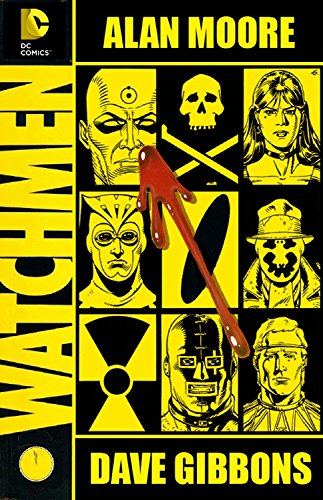
Alan Moore's Watchmen is the rare comic that belongs on any serious reading list regardless of genre. It deconstructs superheroes, functions as literary fiction, and Dave Gibbons's art rewards re-reading. The Deluxe Edition has restored color and better paper. Read it when you're ready for something that will change how you see the medium.
What we like
Frequently cited as the greatest comic ever written (not hyperbole)
Deluxe Edition has restored color and premium paper stock
What to know
Not a starting point; read simpler arcs first
Dense panel structure requires active reading, not casual browsing
Most people grab a few random issues, go home excited, and toss them in a box. Three years later, half are damaged. Here's what actually matters in month one, before any of that happens.
Comic books are unusual as a hobby because you can approach them two completely different ways: as a reader who happens to keep what they read, or as a collector who sometimes reads what they keep. Both are valid. The best collectors eventually do both. But your first month sets which direction you’re leaning, and a few decisions in week one will affect whether your collection is in good shape years from now.
Week 1: Before you spend a dollar on comics
Buy your storage supplies first. This is the counterintuitive first move that experienced collectors universally recommend and that everyone ignores.
Bags and boards are not optional. A bag is a polypropylene sleeve that keeps out dust, humidity, and handling oils. A board is an acid-free cardboard backer that keeps the comic flat. Together they prevent the spine stress, corner wear, and brittleness that silently destroy unprotected books. BCW current-size bags and boards fit any comic published after 1975. They cost about $20 for 100, enough to protect your first batch of purchases.
A short box is where bagged and boarded comics live. Short boxes hold 150–200 comics and fit on bookshelves. Don’t buy a longbox yet. Longboxes hold 300+ comics and weigh 50 pounds full; they’re awkward to move and unnecessary until your collection outgrows three or four short boxes.
Bag and board every comic before it hits the shelf. The ones you skip will be the ones you regret later.
Week 2: Learn to grade
Condition is everything in comic collecting. The same issue in Near Mint (9.2) can be worth ten times more than the identical comic in Very Good (4.0). Learning the grading scale before you spend money on back issues is the most valuable thing you can do in your first month.
The grading scale runs from 0.5 (Poor, barely holding together) to 10.0 (Gem Mint, essentially perfect). The grades you’ll encounter most in the back-issue market:
9.2–9.4 (Near Mint / Near Mint-): Near-perfect. Subtle spine ticks or corner blunting, nothing more. What most new collectors are hoping they’re buying.
8.0–9.0 (Very Fine): Light wear. Slightly rolled spine possible. Attractive copy with minor defects.
6.0–7.0 (Fine): Evident wear but flat and clean. Acceptable for reading copies; significant discount to NM.
4.0–5.0 (Very Good): Heavier wear, possible small creases or spine roll. Still collectible but not investment-grade.
The Overstreet Price Guide covers condition definitions with photo examples. CGC’s grading scale page is also free and authoritative. Read one of them before you spend real money on back issues. A 30-minute read will save you from overpaying at your first convention.
One tool that helps immediately: a 10x jeweler’s loupe. CGC graders use 10x magnification to spot details invisible to the naked eye: non-color-breaking creases, printing defects, color flecks. At a convention table, it tells you what you’re actually buying before you hand over cash.
Local comic shops are the best first stop. Most shops have dollar bins (boxes of older issues priced at $1 or less), which are perfect for learning to grade without financial stakes. Tell the staff you’re just starting. Good shops will steer you toward affordable entry points in whatever characters or eras interest you.
Comic conventions have dealer tables with back issues at every price point. The hunting is part of the experience. Bring your loupe, know what you’re looking for, and don’t let deal-of-a-lifetime urgency rush your condition assessment.
Online options include MyComicShop (fair prices, good condition descriptions), eBay (more variation in price and grade honesty; always check sold listings, not asking prices), and COMC (Comic Only Marketplace, with photos of every book). For what things actually sell for, eBay’s sold listings are the real price guide.
New comics from your local shop: Most shops offer a pull list: you subscribe to specific titles and they hold a copy for you each week. This is how most readers stay current. New issues come out Wednesday. The $4–$6 price per issue is the easiest entry point with no grading anxiety.
For key issues (first appearances, first printings, historically significant covers), go slowly. Every new collector overpays for their first few key purchases. Spend a month in dollar bins and cheap reading copies first, then graduate to the expensive stuff with calibrated eyes.
Week 4: Build a system
A collection without a system becomes a pile. A few things that prevent the pile:
Know what you’re collecting. The most focused collections are the most satisfying. Some collectors go deep on one character (every appearance of a specific hero). Some focus on an era (all Kirby-era Marvel). Some collect key first appearances. Knowing your focus makes buying decisions easier and prevents random accumulation.
Track your collection. The Key Collector Comics app lets you log what you own, mark key issues in any series, and see price trends. CLZ Comics is another solid option. Even a simple spreadsheet works; the point is to know what you have so you don’t accidentally buy duplicates.
Check eBay sold listings before any significant purchase. Not asking prices: sold prices. Filter to sold items and see what the market actually paid in the last 90 days. Overstreet is the historical baseline; eBay is the live market.
CGC (Certified Guaranty Company) is the dominant third-party grading service. They assess a comic’s condition, assign a numerical grade, and seal it in a tamper-evident hard plastic “slab.” A CGC-graded book eliminates condition ambiguity for buyers; they’re paying for the grade, not guessing.
Grading costs $25–$85 per book (depending on value and tier) plus shipping. It’s worth it for books that are worth $100+ and where the grade significantly affects value. It is definitely not worth it for your first batch of purchases.
Most collectors use CGC for specific key issues they want to hold long-term, not for their reading collection. Submit a book to CGC when you’re confident it grades high, the value justifies the fee, and you’re not planning to open the slab and read it. The slab is not for reading; it’s for preservation and eventual resale.
You don’t need to think about CGC in your first month. Learn to assess condition yourself. Buy what you love. Then graduate to submission when the math makes sense.
Save your money
What you don't need yet
Beginners get pressured to buy a lot of stuff that doesn't help them play
better. Here's what we'd skip on day one.
CGC grading submissions — CGC costs $25–$85 per book plus shipping. Don't submit anything until you're confident the grade and market value justify the cost. Learn to grade yourself first.
A longbox — Short boxes are more manageable, fit on shelves, and are easy to move. Longboxes only make sense once you have 250+ comics and permanent floor space.
Key issues at full market price — Every new collector overpays for their first few key issues. Buy cheaper books first while you learn to grade condition, then graduate to the expensive ones.
Mylar bags for every comic — Mylar is more expensive than polypropylene. Reserve it for books worth $50 or more. Polypropylene is fine for everything else in your collection.
Comic grading slab display cases — CGC slabs are for storage and resale value, not reading enjoyment. Buy them if you're investing in specific keys, but don't mistake them for the point of the hobby.
First week
Your first seven days
A short, real plan to get from gear-on-doorstep to actually playing.
Visit a local comic shop and tell them you're just starting. Most shops have a $1 bin, your best friend as a new collector. · Action
Read the grading scale before buying any back issues; even a quick pass through the Overstreet conditions will save you money. · Learn
CGC Grading Scale · CGC's official condition descriptions with photo examples
Pick up a few comics you'd genuinely enjoy reading; start with what interests you, not what the market says is valuable. · Action
Bag and board everything you bought before the week is out. · Action
FAQ
Common questions
How much does it cost to start collecting comics?
Your setup supplies (bags, boards, and a short box) run about $35–$50. After that, comics can cost anywhere from $0.25 (dollar bin) to hundreds for key issues. Most beginners spend $50–$100 total on their first batch of books.
What does it mean to 'bag and board' a comic?
Bagging means putting the comic in a protective polypropylene sleeve. Boarding means adding an acid-free cardboard backer to keep it flat. Together they protect the book from humidity, dust, and handling oils. Every collectible comic should be bagged and boarded before storage.
What is CGC grading and do I need it?
CGC (Certified Guaranty Company) professionally grades comics on a 10-point scale and seals them in a tamper-evident 'slab.' It's worth it for books worth $100+ or key first appearances you plan to resell. For most beginning collections, learn to grade yourself first.
Should I start with new comics or back issues?
New comics are a great starting point: $4–$6 each, no grading anxiety, and you're reading current stories. Back issues are where the collecting obsession really kicks in, but learn to assess condition before spending serious money in that market.
How do I know if a comic is valuable?
Key factors: first appearances of major characters, condition/grade, and demand. Check eBay's sold listings (not asking prices) for what books actually trade at. The Overstreet Price Guide gives a historical baseline, but the live market moves faster than print.
What comics should I start with as a complete beginner?
Start with stories you'll actually enjoy. Batman: The Long Halloween, Watchmen, and Spider-Man's original Lee/Ditko run are universally praised entry points. Find a character or genre you love and read their most celebrated storylines first.
CGC Comics — The primary third-party grading company. Their grading scale and submission process are the industry standard. Read their condition guide before buying any key issue.
Overstreet Price Guide — Gemstone Publishing: the Overstreet guide in print and digital. The collector's bible for pricing and grading for 50 years.
r/comicbookcollecting — Active community for collectors of all levels. Good wiki on grading, storage, and sourcing. Grading feedback threads are genuinely useful for new collectors.
Key Collector Comics App — App that tracks key issues, first appearances, and price trends. Free tier is useful; worth the subscription if you're actively buying back issues.
MyComicShop — Large online retailer and marketplace. Good for back issues at fair prices without the shipping risk of individual eBay sellers.
eBay Sold Listings — Filter to 'Sold Items' to see actual market prices for any book. This is the real price guide: Overstreet is historical reference; eBay is what the market pays today.
Comic Book Herald — Reading order guides for Marvel and DC continuity. Essential if you want to know where to start on any character or era without buying the wrong volume first.
As an Amazon Associate, JustBeginning earns from qualifying purchases.
We may also earn commission from other affiliate programs linked on this
page. Editorial recommendations are independent; we don't choose
products based on commission rates.
Product prices and availability are accurate as of the date and time
indicated and are subject to change. Any price and availability
information shown on Amazon at the time of purchase will apply.
Our top pickBCW Resealable Current Comic Combo Pack (100 Count)

 Best starter