Cherry shrimp are tiny, colorful and endlessly busy, and a 5 to 10 gallon tank can hold a breeding colony. Success comes from a cycled tank, stable water and a light hand with food. Here's neocaridina vs caridina, the tank size to start with, why sponge filters matter, and the GH and KH tests to buy.
By Colin B. · Published November 16, 2026 · Last reviewed November 16, 2026
Flex 9 Gallon Glass Aquarium Kit
— Fluval Flex 9 gallon: a stable, good-looking nano tank with light and filter. About $152; add a sponge over the intake.
Bio Sponge Filter, 3 Pack
— Aquaneat sponge filters: gentle, baby-safe and covered in biofilm shrimp graze. Three for about $7.
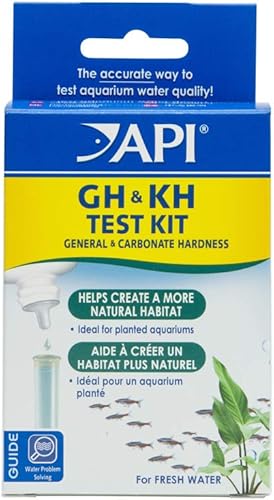
GH and KH Test Kit
— API GH and KH test kit: the two numbers that decide whether shrimp molt and breed. About $12.
Budget total
$175
Typical total
$290
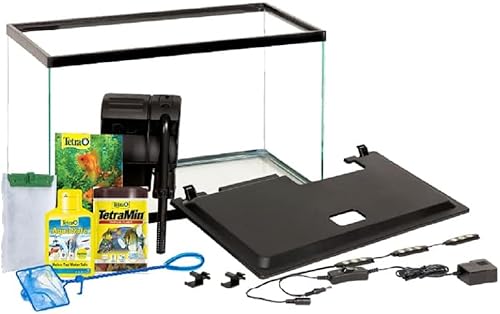
A Tetra 10 gallon kit, a sponge filter and air pump, Seachem Prime, the API master and GH/KH test kits, shrimp food and java moss come to about $175. Choose the Fluval Flex 9 gallon and add a heater and Fluval Stratum and you're near $290. Ten cherry shrimp usually cost $20 to $40 more.
We earn commission when you buy through links on this page, including
Amazon. See our affiliate disclosure.
Price tiers and budget totals shown above are editorial estimates;
actual prices vary.
At a glance
Our top pick in each category
The fastest path through this guide — each best-starter pick by category.
Scroll for the budget and upgrade alternatives.
Start with neocaridina. Cherry shrimp and their color forms (blue dream, yellow, orange, green jade) are hardy, breed in ordinary tap water and tolerate beginner mistakes. Caridina such as crystal reds and taiwan bees need soft, acidic water, active substrate and usually RO water. Save them for your second tank.
Go bigger than you think. A 5 gallon tank works, but 10 gallons holds water quality more steadily, which is what shrimp need most. Use a sponge filter: it's gentle, can't suck up babies, and grows the biofilm shrimp graze on.
Cycle before adding shrimp. A new tank needs three to six weeks for beneficial bacteria to grow. Shrimp are more sensitive to ammonia and nitrite than most fish, so test until both read zero, and budget for a liquid test kit plus GH and KH tests from the start.
The gear
What you actually need
Tanks
Bigger tanks are more stable, and stability is what shrimp need. A 5 gallon works, but 9 to 10 gallons holds temperature and water quality more steadily and gives a colony room to grow. Kits with a light and lid save money. Many all-in-one tanks have a back filter with an intake slot: cover it with a sponge or fine mesh so baby shrimp aren't sucked in.
Best starter
Fluval
Flex 9 Gallon Glass Aquarium Kit
$151.98 as of Nov 16, 2026
★★★★★Our rating· In Stock
A curved-front 9 gallon tank with a built-in three-stage rear filter and an adjustable LED light that grows easy plants and mosses. Add a sponge over the filter intake for shrimp. About $152. 3,600+ reviews at 4.5 stars.
A plain 10 gallon glass tank with a lid, LED light, filter and heater for about half the price of designer nano tanks. Swap or supplement the hang-on filter with a sponge filter for shrimp. About $77. 3,100+ reviews at 4.3 stars.
A compact, desk-friendly 5 gallon with an aluminum frame, a bright LED and a hidden filter chamber. Good for small spaces, though water swings faster than in a 10 gallon. About $154. 3,000+ reviews at 4.2 stars.
Sponge filters are the standard for shrimp. An air pump pushes bubbles up a tube, pulling water through the sponge, where beneficial bacteria live. They're gentle, can't suck up baby shrimp, and grow the biofilm shrimp eat. Neocaridina are happy from about 65 to 78F, so a heater is only needed in a cold room. Choose a small adjustable heater sized for your tank.
Best starter
AQUANEAT
Bio Sponge Filter, 3 Pack
$6.98 as of Nov 16, 2026
★★★★★Our rating· In Stock
Three small sponge filters for nano tanks. Use one in the tank, one over a filter intake, and keep a spare seeding in the tank for a future setup. About $7. 3,700+ reviews at 4.7 stars.
A quiet, reliable air pump to run a sponge filter, one of the best-selling aquarium products there is. Add a check valve and airline tubing. About $17. 44,000+ reviews at 4.5 stars.
Shrimp spend all day picking at the bottom and at plant leaves, so substrate and plants are their pantry. A plant-and-shrimp substrate grows roots well and gives babies places to hide. Mosses and easy plants like java fern, anubias and floating plants hold biofilm and use up waste. Rinse or quarantine plants from stores to avoid pesticides, which kill shrimp.
Best starter
Fluval
Plant and Shrimp Stratum, 8.8 lb
$16.99 as of Nov 16, 2026
★★★★★Our rating· In Stock
A lightweight volcanic soil substrate made for planted shrimp tanks. Its fine granules shelter baby shrimp and help plants root. It softens water a little, which cherry shrimp tolerate. One bag covers a 5 to 10 gallon tank. About $17. 18,000+ reviews at 4.7 stars.
The classic shrimp moss: it grows almost anywhere, needs little light, and fills with biofilm that baby shrimp graze. Tie it to a rock or driftwood. About $8. 700+ reviews at 4.0 stars.
Shrimp react to water problems faster than fish, so testing is part of the hobby. A liquid test kit reads ammonia, nitrite, nitrate and pH, and tells you when a new tank is cycled. A GH and KH kit tells you whether the water has the minerals shrimp need to molt. A dechlorinator makes tap water safe. Test weekly at first, then whenever something looks off.
Best starter
API
Freshwater Master Test Kit
$35.98 as of Nov 16, 2026
★★★★★Our rating· In Stock
The liquid test kit nearly every aquarist owns, with enough reagent for hundreds of tests of ammonia, nitrite, nitrate and pH. It's far more reliable than test strips. About $36. 31,000+ reviews at 4.8 stars.
Drop-count tests for general and carbonate hardness, the two numbers that matter most for shrimp molting and breeding. Count the drops until the color changes. About $12. 6,000+ reviews at 4.7 stars.
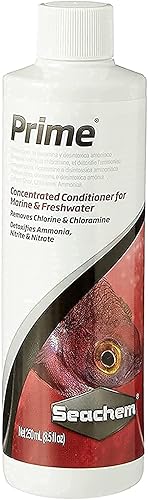
A concentrated dechlorinator that removes chlorine and chloramine from tap water and temporarily binds ammonia. A small bottle treats a nano tank for a very long time. About $9. 45,000+ reviews at 4.8 stars.
In a mature planted tank, shrimp eat biofilm and algae all day and need only small extra meals. Feed a little every other day, only what they finish in two hours, and remove leftovers. Sinking pellets and small granules made for shrimp add protein and minerals. Blanched vegetables like zucchini and spinach make good treats. Overfeeding is the most common way beginners crash a shrimp tank.
Best starter
Hikari
Shrimp Cuisine Sinking Pellets
$6.99 as of Nov 16, 2026
★★★★★Our rating· In Stock
Tiny sinking pellets made for shrimp, with calcium and vegetable matter. A few pellets feed a small colony, so a small pack lasts months. About $7. 2,600+ reviews at 4.7 stars.
Small granules with insect larvae as the first ingredient. They sink and spread across the bottom so every shrimp gets a bite. About $5. 1,000+ reviews at 4.7 stars.
Shrimp keeping is mostly patience. A cycled tank, stable water and a light hand with food matter more than any product. Here's an eight-week plan from an empty tank to your first berried female.
Most shrimp deaths in a new tank come from two things: a tank that isn’t cycled yet, and sudden changes in water. Go slowly at the start and a colony of cherry shrimp will run itself.
Weeks 1 to 4: Set up and cycle
Set up the tank with substrate, a sponge filter, a heater if your room is cold, and live plants. Fill it with dechlorinated tap water. Then cycle it: beneficial bacteria need to grow in the filter to turn shrimp waste into harmless nitrate. Add a pinch of fish food or a bottled ammonia source, and test every few days. The tank is cycled when ammonia and nitrite both read zero a day after feeding. This usually takes three to six weeks.
Use the time to let biofilm and algae grow on surfaces. Shrimp graze it all day, and an older tank is a better shrimp tank.
Test GH and KH as well as ammonia, nitrite and nitrate. Neocaridina like a GH of about 6 to 8 and a KH of 2 to 6, which many tap waters already meet. Buy 10 shrimp from a local fish store or a shrimp breeder, not the cheapest online listing.
Acclimate them slowly. Float the bag to match temperature, then put the shrimp in a container and drip tank water in over an hour or two until the volume triples. Then net them into the tank.
Feed a small amount every other day, only what they finish in a couple of hours. A healthy planted tank feeds them much of what they need. Remove uneaten food. Overfeeding fouls the water and is the most common beginner mistake.
Change about 10 to 20 percent of the water each week with dechlorinated water at the same temperature. Small, regular changes keep the water stable.
If water is stable, a female will carry a clutch of eggs under her tail (called berried) for about a month. Baby shrimp are tiny copies of the adults and hide in moss. A sponge filter keeps them from being sucked up. Within a few months you’ll have a colony.
Find a local fish store or shrimp breeder, and plan to buy 10 shrimp once the tank is cycled. · Action
FAQ
Common questions
How many shrimp can I keep in a 10 gallon tank?
Start with about 10. A well-planted 10 gallon tank can eventually hold 100 or more cherry shrimp, but let the colony grow on its own. Starting with 10 gives enough males and females to breed.
Why are my new shrimp dying?
Usually an uncycled tank, a sudden change in water during acclimation, or copper from medications or plant fertilizers. Make sure ammonia and nitrite read zero, drip-acclimate for an hour or two, and avoid any product containing copper.
Can I keep shrimp with fish?
Most fish eat baby shrimp, and many eat adults. If you want fish too, choose tiny, peaceful species like otocinclus or small rasboras and expect fewer babies. A shrimp-only tank grows a colony fastest.
What are GH and KH?
GH (general hardness) measures calcium and magnesium, which shrimp need for molting. KH (carbonate hardness) buffers pH. Neocaridina do well around GH 6 to 8 and KH 2 to 6. Test both before buying shrimp.
How often should I feed shrimp?
Small amounts every other day, only what they finish within a couple of hours. A mature planted tank provides biofilm and algae they graze constantly. Overfeeding causes more problems than underfeeding.
JustBeginning earns commission from affiliate programs. As an Amazon
Associate, we earn from qualifying purchases. This costs you nothing
extra and doesn't change our recommendations.
Prices and availability are accurate as of the date and time
shown and can change; the price on Amazon when you buy is what
applies.
How this works.

 Best starter