Underground is a different world — dark, wet, and unforgiving of shortcuts. Recreational caving doesn't require mountaineering experience or a massive budget. A certified helmet, three light sources, and a pair of coveralls get you into most beginner caves. Here's exactly what you need — and why the gear list is shorter than you might expect.
By Colin B. · Published June 1, 2026 · Last reviewed June 1, 2026
Petzl Boreo Helmet
— The certified caving helmet every NSS instructor recommends. Get this before your first trip, no exceptions.
Petzl Actik Core Headlamp
— 600 lumens, USB rechargeable, clips to the Boreo natively. Your primary light source.
Dickies Men's Coverall
— Caves destroy clothing. Dickies coveralls are the community answer: cheap, durable, at any hardware store.
Budget total
$200
Typical total
$350
A certified helmet, primary lamp, backup lights, coveralls, kneepads, and gloves run about $200 at the budget end. Good-quality picks run closer to $350. NSS grotto membership ($40-60/year) gets you guided trips and gear loans — often free for your first outing.
We earn commission on qualifying Amazon purchases — see our
affiliate disclosure.
Price tiers and budget totals shown above are editorial estimates;
actual Amazon prices vary.
At a glance
Our top pick in each category
The fastest path through this guide — each best-starter pick by category.
Scroll for the budget and upgrade alternatives.
Join your local NSS grotto before buying anything else. The National Speleological Society's grotto system connects you with experienced cavers who will lend you gear for your first few trips, show you local caves, and save you from buying the wrong things. Find yours at grottos.nss.org.
Don't cave alone and don't explore unfamiliar caves without someone who knows them. This isn't overly cautious — it's how the caving community structures itself. The same NSS grotto that lends you gear will invite you on your first guided trip.
The three-light rule is non-negotiable: every caver carries three independent light sources. Not two. In complete underground darkness, losing your only light is a very different situation from losing one of three. Your helmet lamp is one. Carry two more.
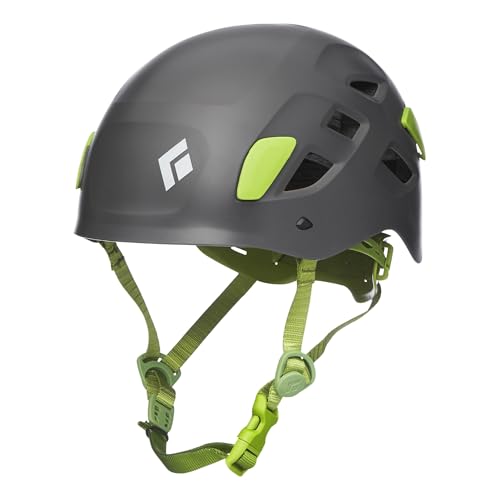
Your helmet is the first thing you buy and the one item you cannot improvise. Bike and ski helmets don't protect the right parts of your head underground — you need a helmet certified to UIAA or EN12492 standards that handles overhead rock strikes. The secondary requirement: a headlamp bracket. Almost every certified caving and climbing helmet has one; almost no uncertified helmet does. Budget $50–140 for your first helmet, and get the Petzl Boreo unless you have a strong reason not to.
Helmet — what's the difference?
A few common shapes, each making a different trade.
Open-Face / Foam-Lined
Light and affordable. The standard beginner pick.
Cert
UIAA/CE
Liner
EPS foam
Weight
~300g
Best for First-time cavers, dry and semi-wet caves
Tradeoff Foam compresses over time; less protective after 3–5 years of heavy use
The Boreo is the go-to entry-level caving helmet in the US — UIAA and CE EN12492 certified, comfortable foam liner, and the headlamp bracket fits every major caving lamp including the Actik Core below. It sits squarely in the sweet spot between 'budget climbing helmet' and 'professional survey helmet.' Buy this first.
What we like
UIAA and CE certified — meets the standard caving and climbing gyms require
Native Petzl headlamp bracket accepts every Petzl caving lamp
Comfortable foam liner stays put on multi-hour trips
What to know
Runs small — order one size up if between sizes
No ventilation slots — can feel warm on physically intense trips
The budget entry. Meets UIAA and CE standards and will protect your head, but it was designed for rock climbing — the vent slots let in more mud and water than a dedicated caving helmet. Most headlamp accessories clip to it fine. Good for a first cave trip while you decide if caving sticks.
What we like
Meets UIAA and CE standards at a budget price
Widely stocked — most outdoor retailers carry it
What to know
Vent slots fill with mud in crawls — not ideal for tight wet caves
Headlamp bracket fitment varies — test before the trip
The step up serious cavers make after their first year. Full suspension cradle, maximum ventilation for demanding trips, and the helmet worn by cave survey teams. Noticeably more comfortable on four-plus-hour trips than the Boreo, and the native Petzl bracket accepts every lamp in the lineup.
What we like
Full suspension cradle — more comfortable on long trips than foam-lined helmets
Worn by cave survey teams and rescue volunteers — proven field durability
What to know
Premium price — overkill if you're caving once a month
Three lights. Every time. Not two, not 'my phone has a flashlight.' In complete underground darkness, losing your only light turns a routine trip into an emergency. Your helmet lamp is your primary; pack two more. The secondary can be a backup headlamp or handheld; the tertiary is your insurance policy — something cheap, light, buried in the bottom of your pack. Total cost for all three: $100–150.
Best starter
Petzl
Actik Core Headlamp
$89.00 as of Jun 22, 2026
★★★★★Our rating· Only 3 left in stock - order soon.
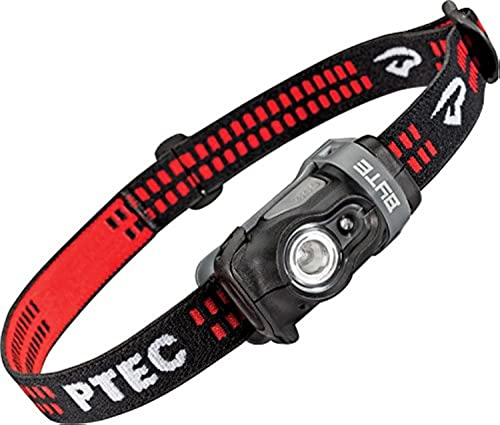
600 lumens, a USB-rechargeable battery with AAA alkaline fallback, and a bracket that clips natively to the Petzl Boreo. This is the lamp most NSS grotto members will point you toward as a first caving-specific purchase. Red mode protects other cavers' night adaptation during group navigation.
What we like
USB rechargeable — no disposable AAAs burning through your primary light
Clips natively to Petzl caving helmets, no adapter needed
Red mode preserves group night adaptation during navigation
The upgrade for cavers who want a tighter spot beam for reading cave topography at distance. IP67 waterproof rating that handles submersion, and a PowerTap brightness control on the rear panel that lets you manage battery without cycling through menus. A solid primary for serious cave trips.
What we like
IP67 rated — genuinely submersible for stream caves and wet passages
PowerTap rear control adjusts brightness without menu cycling
What to know
AAA only — no USB recharge, disposables cost adds up
Heavier than Petzl options when loaded with fresh alkalines
Your emergency third light. Tiny, under $25, runs on AAA batteries, and decades-proven in the caving community as the tertiary you keep clipped to your helmet strap or sealed in a ziplock at the bottom of your pack. You may never need it — but underground, that one time matters.
What we like
Under $20 — cheap enough to carry three lights total without guilt
Decades-proven reliability as the caving community's tertiary pick
What to know
70 lumens only — emergency egress, not comfortable navigation
Not a helmet mount — handheld or strap-clip use only
Caves destroy clothing. Sharp limestone, mud, and crawling put holes in anything thin within a single trip. The caving community's beginner answer is Dickies work coveralls from the hardware store: cheap, durable, and expendable enough that you don't mind the wear. Layer a base layer underneath for temperature management — cotton is dangerous when wet in cold caves, so go merino wool or synthetic.
Best starter
Dickies
Men's Coverall
$
★★★★★Our rating
This is the honest answer to every 'what should I wear?' question in every NSS beginner guide. Buy one size up to fit over a base layer, wear it over everything, and don't worry about it coming back clean. When it wears through, buy another. Available at any hardware store for $35-45.
What we like
The community standard — what NSS instructors actually recommend to beginners
Durable cotton duck fabric outlasts thin synthetics on limestone crawls
Available at any hardware store — easy to replace or size locally
What to know
Cotton traps moisture in cold caves — layer merino or synthetic underneath
Heavy when completely wet — not ideal for stream or submersion caves
★★★★☆Our rating· Only 4 left in stock - order soon.
Your base layer under the coveralls matters as much as the coveralls themselves. Cave temperatures in the US range from 38°F (Appalachian ridge caves) to 65°F (southern limestone systems). Merino wool manages that range, keeps you warm when damp, and doesn't smell after repeated trips. One merino top and bottom is the correct layering system for most caves.
What we like
Warm when damp — won't risk hypothermia if you get wet in cold caves
Odor-resistant: wears multiple trips before needing a wash
What to know
Slower to dry than synthetic — avoid for water-heavy caves
More expensive than synthetics — $80–100 for a top and bottom set
You will crawl. Not gently — through tight limestone slots, on gravel, over wet rock. Beginner-friendly caves routinely include extended crawl passages lasting 20–40 minutes. Thin athletic kneepads won't survive the first trip. You need construction-grade kneepads with gel cups and reinforced outer shells. This is the piece of gear cavers most often wish they'd bought before their first trip rather than after.
Best starter
NoCry
Professional Knee Pads
$31.97 as of Jun 22, 2026
★★★★★Our rating· In Stock
The construction-grade benchmark for caving beginners. Thick gel cups, hard outer shell, and articulated straps that don't slip while you crawl — the specific failure mode of cheaper kneepads. Used daily by flooring contractors and tile setters, which is exactly the kind of sustained crawling caving demands.
What we like
Hard outer shell holds up on sharp limestone where gel-only pads fail
Articulated straps stay in place through extended crawls
Contractor-proven durability — not a gym kneepad repackaged for cavers
What to know
Bulkier than slim athletic kneepads — tight squeezes can feel the difference
Straps require re-tightening mid-trip on very long crawls
A genuine budget option that holds up better than most. The gel cups are softer than NoCry's hard shell but straps are comparable, and you won't feel cheated on your first few trips while deciding if caving is your thing.
What we like
Budget price — right call if you're not yet sure caving will stick
Gel cups comfortable on long kneeling sessions without a hard edge
What to know
Gel exterior wears through faster on rough limestone than hard-shell options
Straps less robust — may need replacing after a season of regular caving
★★★★☆Our rating· Only 3 left in stock - order soon.
When you're doing regular, serious crawling — multi-hour trips through tight limestone systems — budget gel pads wear through fast. Portwest's hard outer shell is designed for sustained industrial use and outlasts budget options three-to-one on abrasive surfaces. The upgrade most cavers make after six months.
What we like
Industrial hard shell outlasts gel pads three-to-one on abrasive limestone
Low-profile design threads through tight squeezes better than bulky options
What to know
Hard shell less comfortable on smoother rock or flat stone floors
Slightly harder to get on and off with gloved hands
Cave rock is sharp. Limestone, sandstone, and basalt have edges you won't see until your hand is on them. Gloves do two things: protect your hands from cuts and give you grip on wet rock. The caving community's preference is leather work gloves — cheap, tough, and grippy when wet. Upgrade to cut-resistant tactical gloves once you're caving more than once a month.
Best starter
Wells Lamont
1133L Leather Work Gloves
$24.39 as of Jun 22, 2026
★★★★★Our rating· In Stock
Leather work gloves are what the caving community has recommended for decades — tough enough for limestone crawls, grippy when wet, and cheap enough to replace when they wear through. Wells Lamont's 1166 series is a well-made leather work glove available everywhere. Fit them snug so you don't lose them in a tight passage.
What we like
The community standard — what most NSS cavers recommend to first-timers
Natural leather grip improves slightly damp — handles wet rock well
Cheap enough to replace annually without regret
What to know
Stiffens in very cold conditions — warm up before rope work
No cut-resistant rating — fine for general caving, not for very sharp rock
The tactical glove cavers move to once they're doing regular cave work. TPR knuckle protection, padded palm, and enough dexterity to operate headlamp controls without removing them. More expensive than leather work gloves but lasts two to three times as long. The right answer for frequent cavers.
What we like
TPR knuckle protection handles the hits leather doesn't guard against
Enough dexterity to operate headlamp controls without removing them
What to know
Synthetic grip less effective than leather on very wet surfaces
More expensive — overkill for cavers who can replace leather annually
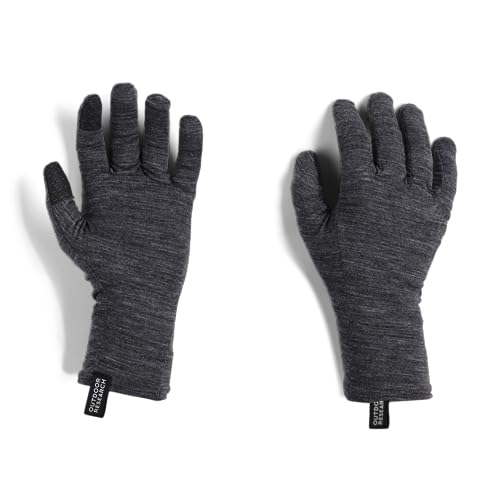
Caves in the Appalachians, Rockies, and Pacific Northwest often run 38–45°F. At those temperatures, bare leather gloves won't keep your hands functional for navigation or rope work. These thin merino-blend liners layer under your main gloves or work alone in moderately cold caves. Touchscreen-compatible tips matter on the approach.
What we like
Merino-blend keeps hands warm in 38–45°F cave temperatures
Touchscreen compatible — useful for approach navigation on your phone
What to know
Too thin for abrasive limestone crawling on their own
Merino liner can pill after repeated use in rough caves
Most people who want to try caving don't know where to start. Here's the actual pathway — from your first show cave to your first wild cave trip with a grotto — and what to expect at each step.
Caving has a structured beginner pathway that most people don’t know exists. You don’t just show up at a cave entrance and start exploring — but the organized route in is genuinely accessible, and it front-loads community before it front-loads gear spending.
Here’s how your first month actually works.
Week 1: Before you buy anything, find your grotto
The National Speleological Society (NSS) runs a system of local clubs called grottos. There are grottos in almost every US state. They meet monthly, they run guided trips into local caves, and most of them will take a total beginner on their first trip and lend you gear to do it.
This is the right starting point for three reasons: you get experienced cavers showing you specific local caves (not generic YouTube advice), you get access to borrowed equipment before you spend $300, and you learn what the community actually recommends versus what gets sold to beginners.
Find your grotto at grottos.nss.org. Send them an email. Show up to a meeting. Tell them you’re brand new. This is the standard beginning, and grottos expect it.
If there’s no active grotto nearby, the second option is to visit a commercial show cave first (Mammoth Cave, Carlsbad Caverns, Luray Caverns, and dozens of others across the US). Guided show cave tours are lit, safe, and give you a feel for underground environments before you commit to gear. Many show caves also offer “wild cave” tours — partially developed routes without lighting — as an intermediate step.
Once you’ve connected with a grotto or decided to go ahead, here’s what you actually need. Nothing else.
Helmet (certified, with a headlamp bracket): Your single most important purchase. The helmet must meet UIAA or EN12492 certification standards — bike helmets and ski helmets don’t protect the right parts of your head underground. The Petzl Boreo is what most NSS instructors recommend to beginners: certified, compatible with every major caving headlamp, and comfortable enough for a four-hour trip.
Three lights: The three-light rule is non-negotiable in the caving community. Primary (mounts to your helmet), secondary (a backup headlamp or handheld), and tertiary (something small and cheap that lives at the bottom of your pack). You may never need the tertiary. In complete underground darkness, you are very glad you have it. Budget about $100–120 for all three.
Coveralls: Caves destroy clothes. Buy a pair of Dickies work coveralls at any hardware store, one size up from your usual. Wear them over whatever you’d layer for hiking. Don’t overthink it.
Kneepads: You will crawl. Buy construction-grade kneepads with hard outer shells — athletic kneepads don’t survive the first trip on limestone.
Gloves: Leather work gloves. Wells Lamont or similar. $15 at any hardware store.
That’s the complete beginner kit. If your grotto is lending you gear for the first trip, you may only need to buy the helmet and lights beforehand.
A “wild cave” is any natural cave that isn’t commercially developed — no lighting, no paved paths, no handrails. Your grotto will take you into one.
Here’s what to expect:
The dark is different. You’ve experienced dark before, but you’ve probably never experienced the complete absence of light. Underground dark is absolute — not “can’t see my hand in front of my face” but genuinely zero photons. Most grottos do a brief lights-out demonstration on beginners’ trips for exactly this reason: so you experience it in a controlled setting with your group around you, not when your headlamp fails 300 feet from the entrance.
You will crawl. Some passages in beginner caves are walking-height rooms. Others are crawl passages — you’re on hands and knees, sometimes flat on your stomach, for stretches of 20–40 feet or longer. This is where the kneepads matter. This is also where tight spaces can feel uncomfortable; if anything starts feeling claustrophobic, say so to your leader immediately.
Leave nothing, touch nothing. Cave conservation is the central ethic of the organized caving community. Speleothems (stalactites, stalagmites, cave formations) take thousands of years to grow and are permanently altered by human touch. The oils from your hands damage cave biology. The rule is: stay on the established route, don’t touch the formations, and pack out everything you brought in. This extends to your lights — when the group stops to look at formations, pointing headlamps at them is fine; touching them is not.
Navigation. You’re with an experienced guide on your first trips. Pay attention to how they navigate — which passages to take, landmarks to note for the return, how to count turns. Cave navigation is a learnable skill, and you develop it by observation before you develop it by solo practice.
After one or two trips with a grotto, the fundamentals start to feel natural — the light discipline, the movement patterns, the conservation habits. This is when you start developing your own judgment instead of just following a leader.
A few things that improve faster than you’d expect:
Reading the passage. After two or three caves, you start seeing passages differently — recognizing where crawls widen, where the floor is stable, which overhead features are stable rock versus loose. Cavers call this “reading the cave,” and it’s mostly pattern recognition that accumulates with exposure.
Light management. You start instinctively pointing your helmet lamp where your attention goes instead of where your face points — a subtle but meaningful distinction for group navigation. You also get better at managing battery on a long trip: dimming when you’re in a group and other lights are covering the space, brightening when you’re leading or navigating.
The vertical question. At some point in your first few months, you’ll encounter a cave that has a vertical pitch — a drop that requires rope and rappelling technique. This is where recreational caving becomes technical caving, and it’s a genuine skill progression that requires dedicated training (NSS grottos often run rope technique workshops). Don’t attempt vertical work without proper instruction; it’s the category of caving that fills the accident reports.
What comes after the first month
Most cavers who stick with it for a month are committed for years. The community is unusually welcoming, the caves are genuinely varied (no two are alike in the US), and the skill ceiling is high — from recreational horizontal caving to surveying unmapped passages to technical vertical systems.
A few concrete next steps once you’ve got the basics:
Join the NSS. Full membership is $65/year and gets you the NSS News, access to grottos in other regions when you travel, and discounted event registration.
Take a vertical workshop. Most NSS grottos run single-rope technique (SRT) workshops for members. This is the formal pathway into vertical caving.
Read American Caving Accidents. The NSS publishes an annual report of cave incidents and near-misses. It’s not morbid reading — it’s practical. Most accidents are preventable, and the patterns repeat.
Save your money
What you don't need yet
Beginners get pressured to buy a lot of stuff that doesn't help them play
better. Here's what we'd skip on day one.
Vertical gear (rope, descender, ascender) — Vertical caving requires formal training and a mentor before any gear purchase. It's a natural second-year progression, but not something beginners should approach without guided instruction first.
Wetsuit or drysuit — Only for stream caves and sump systems — specialized environments that beginners shouldn't attempt solo. Cave diving is an entirely separate discipline with its own certification path.
Dedicated caving suit — A proper caving-specific jumpsuit ($100–300) is worth it after your first year of regular caving. Dickies coveralls from the hardware store do the same job for $40.
Survey equipment (compass, DistoX, notebooks) — Tools for mapping unmapped cave passages — advanced grotto work, not beginner territory. Join a survey team after you've gotten the basics down.
High-lumen technical lamp (Lupine, Scurion) — 1000+ lumen lamps are for survey teams navigating large cave systems. The Petzl Actik Core handles 95% of beginner trips without issue.
Knee-high rubber boots — Gum boots are useful in muddy or standing-water caves, but your first few trips likely won't need them. Wear what you'd wear hiking and upgrade when the cave demands it.
First week
Your first seven days
A short, real plan to get from gear-on-doorstep to actually playing.
Find your local NSS grotto before buying anything. · Action
Read the NSS beginner safety resources: the three-light rule, cave conservation (never touch formations), and what to do if someone in your group gets stuck. · Learn
Attend a grotto meeting or sign up for a grotto-led beginners' trip. Going with experienced local cavers on your first trip is the difference between a great introduction and a bad one. · Action
FAQ
Common questions
What's the difference between caving and spelunking?
Nothing meaningful — spelunking is the informal American term, caving is the preferred term in the organized community (NSS). 'Spelunker' has acquired a slightly pejorative connotation among experienced cavers (implying someone who goes without proper gear or training), but it's not a serious distinction. Use whichever word you want.
Do I need experience to start caving?
Not technical experience, but you should go with someone who knows the specific cave on your first trips. The NSS grotto system is the established pathway — they run guided beginner trips with experienced leaders. Going alone into an unknown cave is the scenario that fills the NSS's annual American Caving Accidents report.
What is the three-light rule?
Every caver carries three independent light sources at all times. In complete underground darkness, losing your only light is an emergency. Your helmet lamp is one source; carry two more — a secondary headlamp or handheld light, and a small tertiary light tucked in your pack. This is why the headlamps section recommends three separate purchases.
How much does it cost to start caving?
Gear runs $200–350 for a solid beginner setup: certified helmet (~$70), primary headlamp (~$60), backup lights (~$35), coveralls (~$40), kneepads (~$30), gloves (~$15). NSS grotto membership is $40–60/year and usually gets you guided trips and gear loans — ask before buying everything at once.
Are all caves the same temperature?
No — cave temperature roughly tracks the average annual surface temperature of the region. Southern US caves run 55–65°F; Appalachian and Midwest caves run 50–58°F; Rockies and Pacific Northwest caves can run 38–48°F. Dress for the cave's temperature, not the weather outside.
Is caving claustrophobic?
Some passages are, some aren't. Most beginner caves have a mix of open rooms and tight crawls. If you're genuinely claustrophobic, mention it to your grotto leader before the trip — they know which routes to avoid and can make sure you never feel trapped. Most people who think they're claustrophobic find it manageable with an experienced leader and a known exit.
Should I visit a commercial show cave first?
Yes, and it's a great idea. Lit, guided show caves (Mammoth Cave, Carlsbad Caverns, Luray Caverns) are a zero-risk way to see if you like being underground before spending on gear. Going from a show cave to a wild cave with an NSS grotto is the most common beginner pathway.
National Speleological Society (NSS) — The US governing body for caving. Grotto locator, safety resources, training programs, and the annual American Caving Accidents publication. Join before you buy gear.
NSS Grotto Finder — Find your local NSS grotto. Most grottos welcome beginners, run guided trips, and will lend gear for your first few outings.
American Caving Accidents (NSS) — Annual NSS report of cave incidents and their causes. Sobering and essential reading — most accidents follow the same preventable patterns.
r/caving — Active subreddit. Good for trip reports, regional beta, and beginner questions. Check the wiki before posting — most beginner questions are covered.
Caverbob.com — A longtime community resource for cave maps, regional trip reports, and gear discussion across the US caving community.
As an Amazon Associate, JustBeginning earns from qualifying purchases.
We may also earn commission from other affiliate programs linked on this
page. Editorial recommendations are independent; we don't choose
products based on commission rates.
Product prices and availability are accurate as of the date and time
indicated and are subject to change. Any price and availability
information shown on Amazon at the time of purchase will apply.


 Best starter