Axolotls are the aquatic pets that broke TikTok, prehistoric-looking, personable, and genuinely fascinating to keep. The catch: they need cold water, not warm, and that non-obvious chiller requirement is where most first setups fail. Here's exactly what you need, and the one thing everyone forgets.
By Colin B. · Published May 31, 2026 · Last reviewed August 7, 2026
The chiller ($150–300) is the budget wildcard. Budget for it upfront, most people discover it after buying everything else.
We earn commission on qualifying Amazon purchases — see our
affiliate disclosure.
Price tiers and budget totals shown above are editorial estimates;
actual Amazon prices vary.
At a glance
Our top pick in each category
The fastest path through this guide — each best-starter pick by category.
Scroll for the budget and upgrade alternatives.
NiuohoyNiuohoy Axolotl Hide Shell Shape Ceramic Fish Tank Cave, Double Sided Glaze, Fish Tank Decor Shelter for Small Pet Frog Fish Betta (Extra Large, Pink)
Cycle your tank before you buy an axolotl. This means running your filter for 4–6 weeks to build up the beneficial bacteria that process waste. Skip this step and you'll likely lose your axolotl to ammonia poisoning in the first month. It's the boring part that nobody wants to hear, but it's the difference between success and failure.
Axolotls need cold water, 60–68°F (16–20°C). Most homes sit at 70°F+, and room-temperature aquarium water will slowly cook them. An aquarium chiller is not optional. Budget for one before you budget for anything else.
Don't buy an axolotl from a pet chain. Petsmart and Petco often carry wild-type axolotls, but the animals are usually stressed and poorly kept. Find a reputable breeder, axolotl Facebook groups and local aquarium clubs are the best places to start.
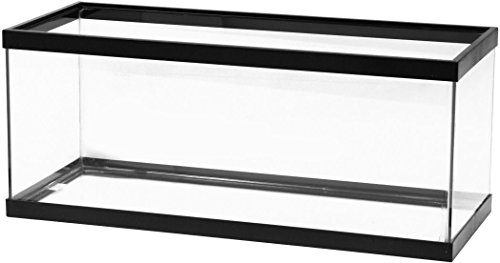
Axolotls need more floor space than height, they're bottom dwellers, not swimmers. A 40-gallon breeder (36" × 18" footprint) is the community standard for one adult axolotl. A 20-gallon long works for a juvenile under six inches, but plan to upgrade within a year. Avoid tall, narrow tanks; axolotls stress in deep water with limited bottom space. Glass tanks are better than acrylic for long-term setups, easier to clean and don't scratch as easily.
Tank — what's the difference?
A few common shapes, each making a different trade.
20-Gallon Long
Right for juveniles under 6"; plan to upgrade within a year.
Footprint
30" × 12"
Volume
20 gal
Best for
Juveniles
Best for Axolotls under 6 inches; budget-conscious beginners
Tradeoff Too small for adults; you will need to upgrade
40-Gallon Breeder
Community standard for one adult. The right call for most.
Footprint
36" × 18"
Volume
40 gal
Best for
One adult
Best for One adult axolotl; most beginners should start here
Tradeoff More expensive and heavier than a 20-gallon long
75+ Gallon
Two axolotls, or one with a proper habitat and room to roam.
Footprint
48" × 18"+
Volume
75+ gal
Best for
Pairs / committed keepers
Best for Keeping two axolotls; serious hobbyists planning long-term
Tradeoff Heavy, expensive, takes longer to cycle and cool
Best starter
Aqueon
40 Gallon Breeder Aquarium
$$$
★★★★★Our rating
The 40-gallon breeder is the axolotl community's consensus pick for a reason: the wide, shallow footprint (36" × 18") gives an adult axolotl room to roam without requiring the height of a standard tank. Aqueon's glass is thick enough for the long term, the seams are solid, and it's widely available. Buy a lid, axolotls occasionally explore upward.
What we like
Wide, shallow footprint is exactly what axolotls need
Thick glass construction holds up to years of use
Community-standard size, all accessories are sized for it
What to know
Glass-only, lid and light sold separately (add $30–50)
★★★★☆Our rating· Only 2 left in stock - order soon.
The 20-gallon long is the right starting point if your axolotl is still a juvenile (under 5–6 inches). It's significantly cheaper and lighter, which matters if you're still figuring out where this setup will live. Plan to upgrade to a 40-gallon breeder within 12–18 months as your axolotl grows.
What we like
Correct long/wide shape (not a tall tank) for axolotl comfort
Significantly cheaper, good if you're still on the fence
What to know
Too small for adults, plan to upgrade within a year
Less margin for water parameter stability than a 40-gallon
If you plan to keep two axolotls, or you want one well-appointed setup you won't need to upgrade, the 75-gallon is the call. More water volume means more stable temperatures and forgiving water chemistry. The large footprint also lets you do proper planted sections with hides and a dedicated feeding zone.
What we like
More water volume means more stable temperatures and parameters
Room for two axolotls or one with a well-designed habitat
What to know
Over 800 lbs full, requires a dedicated stand and solid floor
Takes longer to cycle and cool, chiller costs more to run
This is the piece everyone skips, and the reason most first axolotl setups fail within months. Axolotls are native to high-altitude Mexican lakes and need water temperatures between 60–68°F (16–20°C). Most homes sit at 70°F or warmer, and an uncooled tank will slowly stress your axolotl, suppress its immune system, and kill it within a year. An aquarium fan cooler can help in mild climates (it drops temps 3–5°F), but a dedicated inline aquarium chiller is the only reliable solution for most of the country.
Best starter
Active Aqua
AACH10HP Aquarium Chiller
$494.95 as of Jun 22, 2026
★★★★★Our rating· Only 3 left in stock - order soon.
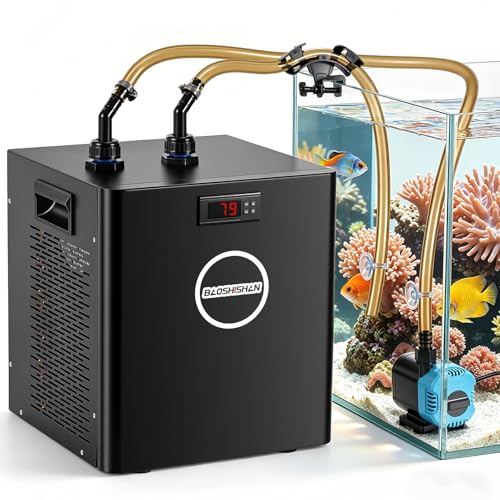
The most-recommended entry chiller in the axolotl community for tanks up to 40 gallons. Connects inline with your filter return line, holds temperature precisely, and runs quietly. At $150–180 it's not cheap, but it's the item that makes or breaks this hobby, buy it before anything else.
What we like
Reliable temperature control, holds 60–68°F even in warm rooms
Community-tested for tanks up to 40 gallons
Inline connection keeps the tank surface clean and uncluttered
What to know
Requires a separate pump with 150+ GPH flow rate to run inline
Costs $150–180, the single biggest upfront cost in this hobby
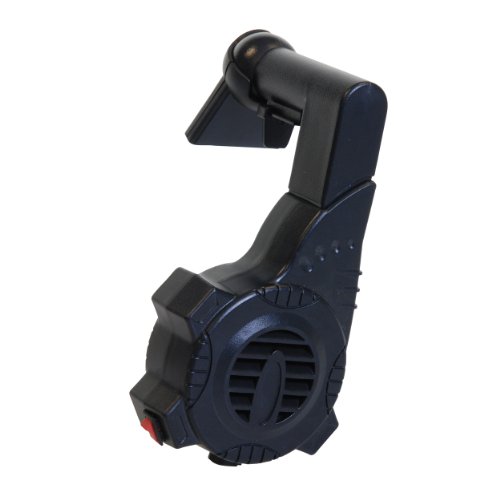
In mild climates (homes that stay under 72°F year-round), a clip-on evaporative fan cooler can drop water temp by 3–5°F, enough to squeak into the safe zone. It's a $30 stopgap, not a solution. If your home hits 75°F+ in summer, this won't be enough; budget for a proper chiller.
What we like
Under $30, useful as a supplement in mild climates
Easy setup, no plumbing required
What to know
Only drops temps 3–5°F, not enough in warm or humid homes
Increases evaporation, meaning daily top-offs in summer
★★★★☆Our rating· Only 12 left in stock - order soon.
For tanks 50–75 gallons, or for anyone in a warm climate running a 40-gallon, this chiller is what serious axolotl keepers upgrade to. More cooling capacity, quieter operation than the entry-tier chillers, and a reputation for lasting 5–8 years with basic maintenance.
What we like
Handles tanks up to 75 gallons reliably
Quieter and more efficient than entry-level chillers
Known to last 5–8+ years with basic maintenance
What to know
Larger footprint, needs ventilation clearance on all sides
$250–300 price tag; real investment for a hobby still being tested
Axolotls are messy eaters and produce a lot of waste for their size. You need strong biological filtration, but gentle flow. High flow rates stress axolotls; they'll float, struggle to rest on the bottom, and develop bent gills. A sponge filter on a 20-gallon, or a canister filter with a spray bar diffuser on a 40-gallon, is the standard solution. Avoid HOB (hang-on-back) filters unless you baffle the outflow, the current they produce is too strong for most setups.
Best starter
Fluval
207 Performance Canister Filter
$152.99 as of Jun 22, 2026
★★★★★Our rating· In Stock
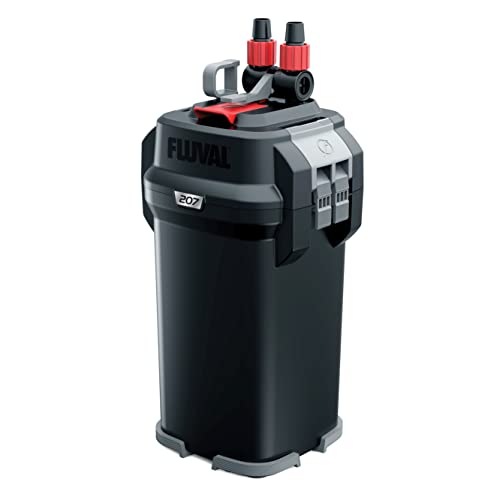
The Fluval 207 is the most-recommended canister filter for 40-gallon axolotl setups. Pair it with a spray bar to diffuse the outflow and you'll have excellent biological filtration with zero axolotl-stressing current. Quiet, reliable, and well-supported with replacement media.
What we like
Excellent biological filtration capacity for messy axolotl waste
Quiet pump, nearly silent on a nightstand or living room setup
Spray bar included, reduces outflow current for sensitive axolotls
What to know
Requires priming on first start, takes a few attempts
More expensive than sponge filters; overkill for 20-gallon setups
A dual-sponge filter is the ideal setup for a juvenile axolotl in a 20-gallon tank. The gentle bubble-driven current is axolotl-safe, the sponge media supports beneficial bacteria colonies, and the whole thing costs $15. Run two, one to clean, one to seed with bacteria.
What we like
Bubble-driven flow is gentle and axolotl-safe
Affordable; buy two and alternate cleanings to preserve bacteria
What to know
Needs an air pump and tubing, factor in an extra $10–15
Underpowered for a 40-gallon tank with a full-grown axolotl
Axolotls are sensitive to chlorine, chloramine, ammonia, and nitrite, all things that can kill them in an uncycled or improperly treated tank. You need two things on hand at all times: a quality dechlorinator (to treat tap water) and a liquid test kit (to verify your parameters weekly). Strips are inaccurate; only use a liquid test kit. Safe parameters: ammonia 0 ppm, nitrite 0 ppm, nitrate under 20 ppm, pH 7.0–7.8.
Best starter
Seachem
Prime Fresh and Saltwater Conditioner
$15.02 as of Jun 22, 2026
★★★★★Our rating· In Stock
Prime is the dechlorinator every serious axolotl keeper uses. It neutralizes chlorine and chloramine like any conditioner, but it also temporarily detoxifies ammonia and nitrite for 24–48 hours, which is a genuine lifesaver during cycling or emergency water changes. A 500 mL bottle treats 5,000 gallons and lasts most keepers a year.
What we like
Detoxifies ammonia and nitrite, critical during tank cycling
Highly concentrated; 500 mL treats 5,000 gallons and lasts a year
What to know
Strong sulfur smell on opening, alarming the first time, but harmless
Easy to overdose; use the included cap and measure carefully
Liquid test kits are the only way to get accurate readings on ammonia, nitrite, nitrate, and pH. The API Master Kit tests all four and includes enough reagent for 800 tests. This kit will be your most-used tool in the first three months while your tank cycles, buy it before your axolotl.
What we like
Tests ammonia, nitrite, nitrate, and pH, all four parameters you need
800 tests per kit; lasts most beginners 1–2 years
What to know
Reagent bottle #2 needs hard shaking, easy to forget and get false lows
Takes 5 minutes per test; strips are faster but far less accurate
Beneficial bacteria in a bottle. Not a substitute for a proper 4-6 week nitrogen cycle, but an extremely useful accelerant, especially if you're doing a fish-in cycle or need to establish a new tank quickly. Dose daily for 7 days during startup, then weekly for maintenance.
What we like
Speeds up the nitrogen cycle, gets beneficial bacteria established faster
Works in cold water, important since axolotl tanks run at 60–68°F
What to know
Doesn't replace testing, you still need to verify parameters daily during cycling
Results vary; some tanks cycle just as fast without it
Axolotls need two things from their tank environment: somewhere to hide, and a substrate that won't kill them. Axolotls are voracious and will swallow anything that fits in their mouth, gravel is a leading cause of impaction and death. Use fine sand (play sand or pool filter sand works fine, $10–15 at hardware stores) or go bare-bottom. For hides, axolotls need at least one enclosed, dark space to retreat into. PVC pipe sections, ceramic caves, and smooth-opening terracotta pots all work well.
Best starter
Niuohoy
Axolotl Hide Shell Shape Ceramic Fish Tank Cave, Double Sided Glaze, Fish Tank Decor Shelter for Small Pet Frog Fish Betta (Extra Large, Pink)
$21.99 as of Jun 22, 2026
★★★★★Our rating· In Stock
A smooth-sided ceramic trunk hide that axolotls readily use, the enclosed interior is dark and secure, the ceramic surface won't leach chemicals, and the smooth finish won't scratch their delicate, scaleless skin. Axolotls are crepuscular (most active at dawn and dusk) and need a refuge during daylight hours. This is the simplest, most reliable hide for a beginner setup.
A larger ceramic shelter made for plecos that many axolotl keepers repurpose, big enough for most adults, under $15, and durable. Get two: axolotls feel more secure when they have more than one retreat, and multiple hides prevent territorial stress if you eventually add a second axolotl.
What we like
Large enough for full-grown adults; under $15
Durable ceramic lasts indefinitely with basic cleaning
What to know
Some units have rougher interiors, check before placing in tank
Heavier than it looks; position carefully to avoid tipping
Axolotls are carnivores. In the wild they eat worms, small crustaceans, and small fish. In captivity, the best primary diet is nightcrawler worms (available at bait shops or ordered online) supplemented with high-quality sinking pellets. Frozen bloodworms and daphnia work well as treats. Feed juveniles daily; adults every 2–3 days. Drop food near them with tongs, axolotls track movement, and food left on the substrate overnight fouls the water.
Best starter
Fluval
Bug Bites Bottom Feeder Granules
$5.98 as of Jun 22, 2026
★★★★★Our rating· In Stock
A high-protein sinking pellet that axolotls take readily. The small-diameter sinking format is right for most adult axolotls, and the black soldier fly larvae base provides more protein than fish-meal pellets. Use as a daily staple and supplement with live or frozen worms 3–4 times a week.
Frozen bloodworms are the best supplement to axolotl pellets, high protein, irresistible to axolotls, and the flat-frozen cube format makes portion control easy. Thaw a cube in tank water before feeding. Use 2–3 times a week to round out the pellet diet and keep your axolotl engaged with feeding.
What we like
Axolotls go wild for them, reliable feeding trigger for picky eaters
Flat-frozen cubes make portioning and storage simple
What to know
Supplement only, bloodworms alone miss key amino acids
Messy if thawed improperly; always thaw in a cup of tank water first
Live nightcrawlers are the gold standard axolotl food, they trigger the feeding response instantly and are nutritionally complete. Cut them to size for juveniles; adults take a 2–3 inch piece with no trouble. Order from a worm farm (bait-shop worms may carry parasites) and keep them in the fridge for up to two weeks.
What we like
Nutritionally complete and triggers immediate feeding response
Keep up to two weeks refrigerated, lower waste than buying weekly
What to know
Bait-shop worms may carry parasites, buy from a dedicated worm farm
3–5 day shipping; plan ahead rather than ordering in an emergency
The setup takes longer than the axolotl. Here's what actually happens in your first month, the cycling wait, the chiller surprise, and the moment your axolotl finally stops hiding.
Most people buy an axolotl the same week they decide they want one. This is the main reason most first axolotls die.
The setup needs 4–6 weeks to become a safe environment, a process called cycling that has nothing to do with the animal and everything to do with the invisible bacteria that process its waste. Skip it, and your axolotl is swimming in slowly accumulating ammonia. It may look fine for weeks. Then it won’t.
This is what your first month actually looks like if you do it right.
Week 1–2: Build the habitat, not the pet
You don’t need an axolotl yet. You need a tank, a filter, a chiller, water conditioner, and a test kit.
The single most important purchase is the chiller, and it’s the one most beginners skip because it seems optional until they find out it isn’t. Axolotls are native to high-altitude Mexican lakes. They need water between 60–68°F. The average American home runs 70–74°F. Room-temperature tap water will slowly stress your axolotl, suppress its immune system, and kill it within a year. An aquarium fan can help in mild climates (it drops temps 3–5°F via evaporation), but an inline aquarium chiller is the only reliable answer for most setups.
Get the chiller running before you think about an axolotl.
Tank setup:
40-gallon breeder is the minimum for one adult axolotl, the wide, shallow footprint matters more than depth
Fine sand or bare bottom only (gravel causes fatal impaction when swallowed)
One hide minimum, a ceramic cave, a PVC elbow, anything smooth and enclosed
A canister filter with a spray bar, or a sponge filter for smaller tanks, low flow is important, axolotls stress in strong current
Once the tank is set up and the chiller is holding 64–66°F, you’re ready to cycle.
Week 2–4: The nitrogen cycle
Cycling sounds complicated. It’s mostly just waiting and testing.
Here’s what’s happening: fish and axolotl waste produces ammonia, which is toxic. Beneficial bacteria colonize your filter media and convert ammonia first into nitrite (also toxic), then into nitrate (manageable with water changes). The cycle is complete when both ammonia and nitrite read 0 ppm and nitrate is present.
To start the cycle, you need an ammonia source. A few drops of pure ammonia (unscented, no surfactants) or a pinch of fish food works. Then you wait.
Seachem Stability (beneficial bacteria in a bottle) genuinely speeds this up, dose daily for 7 days. But it doesn’t replace testing. Some cycles take 3 weeks, some take 7. When your test kit shows ammonia and nitrite both at 0 on two consecutive tests, you’re ready for an axolotl.
Seachem Prime is essential here. Beyond dechlorinating tap water, it temporarily detoxifies ammonia and nitrite for 24–48 hours, useful as an emergency measure if parameters spike unexpectedly.
Week 4–5: Getting your axolotl
Once the tank is cycled and holding temperature, find a reputable breeder. Not a pet store chain, Petsmart and Petco animals are often stressed and poorly kept. The r/axolotls subreddit maintains a reputable seller list; local aquarium clubs are another good source.
Acclimation: Float the sealed bag in your tank for 20–30 minutes to equalize temperature. Then slowly add tank water to the bag every 5 minutes for another 20 minutes before releasing. Don’t dump the bag water into your tank, it comes from a different water chemistry and may contain pathogens.
Your axolotl will hide for the first few days. This is normal. Don’t try to interact with it, turn on bright lights, or move the tank. Let it settle.
Week 5–6: First feedings and what to expect
Axolotls use a vacuum-suction feeding strike, they lunge and inhale prey whole. Their eyesight is poor; they rely on movement and water vibration to find food. Drop food near them with feeding tongs, and remove anything uneaten after 30 minutes. Leftover food decays fast and tanks small tanks.
Feeding schedule:
Juveniles: daily, 2–3 small pieces
Adults: every 2–3 days, 1–2 pieces appropriate to mouth size
Best staple food: nightcrawler worms cut to size, or sinking high-protein pellets. Frozen bloodworms make a good supplement 2–3 times a week. Do not use live feeder fish, they carry parasites.
Signs things are going well:
Axolotl rests calmly on substrate or in hide during the day
Comes to the front of the tank at feeding time
Gills are full, feathery, and fanned out (not clamped or shriveling)
Water is clear, no ammonia/nitrite on your test kit
Signs to investigate:
Floating near the surface (water quality or stress issue, test parameters immediately)
Curled tail tip (often a temperature problem, check chiller)
Refusing food for more than 5 days (investigate water parameters and temperature)
Pale, shriveled, or damaged gills (usually water quality; do a 25% water change and test)
The rhythm after month one
You’ll settle into a maintenance routine that takes maybe 15 minutes a week: water testing, a 20–25% weekly water change, removing any uneaten food, and rinsing filter media in old tank water (never tap water, the chlorine kills beneficial bacteria).
The chiller needs cleaning every 3–4 months, the filter on the condenser coils catches dust and reduces efficiency. It takes 5 minutes.
Most axolotl keepers who make it through the first month are still in the hobby three years later. The setup is front-loaded, the cycling wait, the chiller decision, the restraint needed before buying the animal. Once that’s done, it’s a genuinely low-maintenance, endlessly watchable pet.
Save your money
What you don't need yet
Beginners get pressured to buy a lot of stuff that doesn't help them play
better. Here's what we'd skip on day one.
Fancy morphs (leucistic, mosaic, copper) — Wild-type axolotls are just as interesting to keep. Start with a healthy, reasonably priced axolotl before chasing expensive morphs, you'll learn the hobby better with lower stakes.
Fancy LED light — Axolotls dislike bright light and don't need it. A basic low-output light for plant growth is fine; skip the color-cycling RGB setups.
A second axolotl — Adult axolotls are largely solitary and will bite each other's gills. Get your first setup stable for 3–6 months before adding a second animal, and only in a tank large enough to provide separate territories.
Fancy live plants — Java fern and anubias survive at axolotl temperatures and are inexpensive. Save the planted aquascaping until you're confident in your water parameters.
Automatic feeders — Axolotls need portion-controlled feeding with food removed promptly. Automatic feeders dump food on a schedule and create water quality disasters.
Tankmates — Axolotls will eat any fish that fits in their mouth, and fish will nip their feathery external gills. A species-only tank is the safe, simple approach.
First week
Your first seven days
A short, real plan to get from gear-on-doorstep to actually playing.
Buy your tank, chiller, and filter before you buy your axolotl, in that order. · Buy
Start cycling your tank. Add a source of ammonia (a small pinch of fish food, or a few drops of pure ammonia) and let the filter run. This takes 4–6 weeks. · Action
Test your water every other day with the API Master Kit. You're watching for ammonia and nitrite to rise, then crash to 0 as bacteria colonize. · Buy
Set up your chiller and dial in the target temperature (64–66°F is the sweet spot). Let it run for a few days to confirm it holds temp reliably. · Action
Find a reputable axolotl breeder, Facebook groups, local aquarium clubs, and online shops like The Axolotl Factory are your best sources. · Action
r/axolotls · The best beginner community, breeder recs, care questions, and a detailed wiki
Add a hide before your axolotl arrives. They will spend the first week hiding; that's normal. · Buy
Learn the signs of stress: floating at the surface, curled tail-tip, pale/dark color changes, refusing food. Most are water-parameter issues; test first. · Learn
Order your first batch of nightcrawlers and frozen bloodworms before your axolotl arrives so you're ready to feed on day one. · Buy
Yes, in most homes. Axolotls need water at 60–68°F, room temperature in most U.S. homes is 70–74°F or warmer, which slowly stresses and kills them. A fan cooler can help in mild climates (it drops temps 3–5°F), but an inline aquarium chiller is the only reliable solution if your home hits 72°F+ regularly.
How long does it take to set up a tank before I can get an axolotl?
4–6 weeks to properly cycle the tank. This builds up the beneficial bacteria that process your axolotl's waste into non-toxic compounds. Skip it and your axolotl will likely die from ammonia poisoning within weeks. Use Seachem Stability to speed the process, but don't shortcut the testing.
What should I feed my axolotl?
A mix of sinking pellets and live or frozen nightcrawlers. Feed adults every 2–3 days, axolotls have slow metabolisms and it's easy to overfeed. Remove uneaten food after 30 minutes. Frozen bloodworms are a great supplement; live feeder fish carry disease and should be avoided.
Can axolotls live with other fish?
No. Axolotls will eat any fish that fits in their mouth, and fish will nip their feathery external gills. A species-only setup is the safe answer. Some keepers successfully keep very large, fast, axolotl-temperature-tolerant fish (like white cloud minnows), but it's a risk not worth taking as a beginner.
Can I use gravel in an axolotl tank?
No. Axolotls swallow gravel when striking at food, leading to impaction, a life-threatening blockage. Use fine sand (pool filter sand or play sand from a hardware store works perfectly) or go bare-bottom. Avoid anything that can fit in their mouth.
How long do axolotls live?
10–15 years in a well-maintained setup, longer than most people expect from a pet they impulse-bought after seeing one on TikTok. Think of it as a decade-long commitment, not a novelty.
Do axolotls recognize their owners?
Sort of. They don't recognize faces, but they do learn feeding associations, many will swim toward the front of the tank when they see you approach at feeding time. They're more personable than most fish but less so than a cat or dog.
r/axolotls — The most active beginner community. Detailed wiki covering cycling, temperature, feeding, and disease. Search before posting, most questions are answered there.
Caudata.org — Long-running salamander/axolotl forum. Slower pace than Reddit but deeper dives on care, breeding, and health. The species profiles are still the most detailed free resource.
Aquatic Arts (axolotl care guide) — Care guide from one of the more reputable online axolotl sellers. Well-written, practical, regularly updated.
Seriously Fish, Ambystoma mexicanum — Research-backed species profile. Water parameters, natural habitat, temperature requirements all cited with source links.
The Axolotl Sanctuary — Non-profit focused on captive axolotl welfare. Good source for ethical acquisition advice and care standards.
As an Amazon Associate, JustBeginning earns from qualifying purchases.
We may also earn commission from other affiliate programs linked on this
page. Editorial recommendations are independent; we don't choose
products based on commission rates.
Product prices and availability are accurate as of the date and time
indicated and are subject to change. Any price and availability
information shown on Amazon at the time of purchase will apply.


 Best starter