Chainsaw carving sits at the intersection of raw power tools and fine sculpture; you're shaping wood at high speed with a tool that demands respect. The entry cost is real ($500–900 to set up properly), but the art form is genuinely distinct from hand carving, and the community is welcoming to newcomers who show up wearing their gear.
By Colin B. · Published June 12, 2026 · Last reviewed June 12, 2026
A starter chainsaw, full safety gear, and a carving bar gets you to $500. Add a detail grinder and wood finish and $800 is a complete setup.
We earn commission on qualifying Amazon purchases — see our
affiliate disclosure.
Price tiers and budget totals shown above are editorial estimates;
actual Amazon prices vary.
At a glance
Our top pick in each category
The fastest path through this guide — each best-starter pick by category.
Scroll for the budget and upgrade alternatives.
Safety gear before the saw. Chainsaw chaps, a helmet with face shield, and cut-resistant gloves are not optional; buy them the same day as the saw, or before. The ER visit you avoid is worth more than the nicest starter saw on the market.
A 14–16 inch bar is the right starting size. Longer bars are for felling trees, not sculpting. Most beginners work with a 14–16 inch bar and swap in a narrower-nose carving bar for detail work.
Battery-powered is the right call for beginners. No fuel mixing, no pull-cord, less noise. The power ceiling is fine for logs under 16 inches in diameter, which is most beginner work. Go gas if you know you'll be carving large sculptures from day one.
Find your wood before you need it. Cottonwood, basswood, white pine, and cedar are the beginner-friendly species: soft, consistent, forgiving. Many carvers get free logs from local arborists and tree services. Skip oak and maple until you're comfortable.
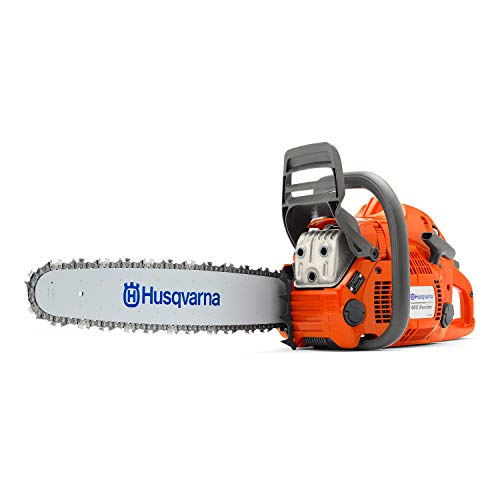
The real question isn't which saw; it's which power source. Battery-powered saws are the better starting choice: no fuel mixing, no pull-cord tantrums, no fumes in your workspace. A good 40V battery saw handles logs up to 16 inches reliably, which covers most beginner carving. Gas saws are faster, more powerful, and standard in the professional carving world, but the maintenance overhead and noise are real hurdles in year one. The Husqvarna 120i is the battery starter most carvers recommend. When you're ready for gas, the Husqvarna 460 Rancher is the upgrade path that makes sense.
Chainsaws — what's the difference?
A few common shapes, each making a different trade.
Battery-powered
Quieter, cleaner, zero pull-cord. Best for beginners.
Runtime
60–90 min
Best for
Logs up to 16"
Noise
~90 dB
Best for Beginners, garage or small workshop, pine/cedar/cottonwood
Tradeoff Runtime caps; not for large hardwood sculptures or long sessions
No fuel mixing, no pull-cord, no fumes: it starts with a button. The 14-inch bar is the right size for beginner sculpture work, and Husqvarna's battery platform grows with you if you add more tools later. A realistic session is 60–90 minutes per charge, which is plenty while you're learning how wood behaves.
What we like
Button start, no pull-cord; reliable every session
14-inch bar is ideal for beginner sculpture work
Husqvarna battery platform works across their full tool lineup
What to know
Battery + charger sold separately, adds $80–120 to sticker price
60–90 min runtime per charge, not for marathon carving sessions
★★★★☆Our rating· Only 6 left in stock (more on the way).
About $60–80 less than the Husqvarna for a similar battery experience. The 16-inch bar gives you a bit more reach, and Greenworks' 40V ecosystem is broad. Slightly heavier than the Husqvarna but cuts just as well for beginner sculpture work on softer woods.
What we like
$60–80 cheaper than Husqvarna with comparable cutting output
16-inch bar handles slightly larger logs than most battery starters
Greenworks 40V battery compatible with 60+ tools in the lineup
What to know
Chain tensioner requires a tool to adjust, unlike tool-free designs
Heavier than the Husqvarna 120i; noticeable in longer sessions
The gas upgrade most battery-chainsaw carvers move to when they want more power for larger sculptures and hardwoods. The 460 Rancher's 60cc engine handles anything you'll encounter as a hobbyist, and the 20-inch bar gives you room to block out bigger pieces. Significantly louder than battery saws; use your hearing protection.
What we like
60cc engine handles hardwoods and large log sculptures without complaint
20-inch bar lets you block out bigger pieces before switching to carving bar
Same brand as the starter saw; shared bar mounts simplify the transition
What to know
Two-stroke fuel required; more maintenance than battery saws
Significantly louder; always wear hearing protection with this saw
Safety gear is not optional in chainsaw carving: it is load-bearing. Chainsaw chaps are the most important item: they're designed to clog a saw's sprocket in a kickback scenario and stop the chain before it reaches your leg. A helmet with integrated face shield and hearing protection is next. Cut-resistant gloves round out the minimum. Buy all three before your first session. The total investment is $150–200 and covers you for years. The carvers who get hurt are the ones who skipped the gear.
Best starter
Forester
Chainsaw Safety Chaps, Type A
$53.99 as of Jun 22, 2026
★★★★★Our rating· In Stock
The recommendation in every chainsaw carving forum for a reason: ASTM Type A certified, Kevlar and ballistic nylon construction, adjustable fit. Forester makes safety gear for working professionals and the price is fair. If you only buy one thing on this list, make it these.
What we like
ASTM Type A certified, stops a running chain from cutting your leg
Kevlar and ballistic nylon construction used by professional cutters
Adjustable waist and leg straps fit most builds
What to know
Type A covers front of legs only; Type C needed for wrap-around protection
Hot in warm weather; plan for frequent breaks in summer months
Combines a hard hat, sun visor, face shield, and 26 dB NRR ear muffs in one integrated unit. Everything snaps together, nothing gets misplaced, and you can flip the face shield without removing the helmet. Used by professional loggers and carvers who need all three protections at once.
What we like
Hard hat, face shield, and 26 dB ear muffs all in one integrated unit
Face shield flips up without removing the helmet mid-session
Used by professional loggers; built to last under daily abuse
What to know
Face shield scratches over time; keep replacement shields on hand
Runs warm; take breaks in hot weather to manage heat buildup
★★★★☆Our rating· Only 3 left in stock - order soon.
Level 5 cut resistance on the back of the left hand (closest to the bar), plus vibration damping and enough dexterity to feel what you're carving. These aren't bulky work gloves; they're designed for chainsaw operators who need tool feedback without losing protection.
What we like
Level 5 cut resistance where it counts: back of the left hand
Vibration damping reduces hand fatigue in longer sessions
More dexterous than standard work gloves, better feel on the tool
What to know
Runs small; order one size up from your normal glove size
More expensive than basic cut-resistant work gloves
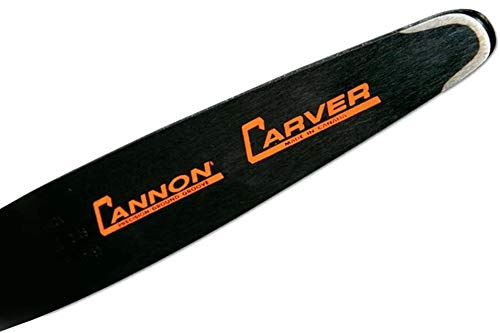
Your stock chainsaw bar is designed for felling and bucking, not sculpting. Carving bars have narrower tips or specialized nose designs that let you plunge-cut and detail-carve with less kickback risk than a standard bar. The Oregon Micro-Lite is the standard first swap: same mount as your stock bar, narrower tip, significantly more control. When you're ready for fine detail work (eagle feathers, bear faces), a Dime Tip bar gives you a rounded nose that reaches tight spaces. Always keep a dedicated carving chain sharp; a dull chain is more dangerous than a sharp one, not less.
Best starter
Oregon
14-inch Micro-Lite Carving Bar
$34.20 as of Jun 22, 2026
★★★★★Our rating· In Stock
The standard first-upgrade bar for beginners. The narrow tip reduces the kickback zone compared to stock bars, bolts directly to your saw, and at $40–60 it's the cheapest way to meaningfully improve your carving capability. Order the pitch and gauge that match your saw's existing bar.
What we like
Narrow tip cuts kickback zone versus stock bars, safer for detail work
Direct bolt-on replacement, no modifications needed
The endorsed first-upgrade across chainsaw carving communities
What to know
Must match chain pitch and gauge exactly; always verify specs first
Narrower tip limits maximum plunge-cut depth versus larger bars
★★★★☆Our rating· Only 16 left in stock - order soon.
The Dime Tip's rounded, narrow nose is built for carving in tight spots: eagle feathers, bear faces, letter carving. Not a day-one bar, but the natural next move after 15–20 hours on the Micro-Lite when you want to go finer and tighter.
What we like
Rounded nose carves in tight spaces stock bars can't reach
Designed specifically for sculpture work, not felling or bucking
The bar most carvers who sell at art shows upgrade to
What to know
Requires a dedicated carving chain; can't run a standard chain safely
Not a beginner bar; earn it after 15–20 hours on the Micro-Lite
This is the correct chain for the Oregon Micro-Lite carving bar above, 1/4" pitch (25AP series), designed specifically for carving work. A sharp chain is a safe chain; buy a second one at the same time so you can swap when one dulls instead of stopping to file mid-session.
What we like
Correct 1/4" pitch chain for the Oregon Micro-Lite carving bar
Having a spare eliminates mid-session downtime for sharpening
Oregon is the compatibility standard for most chainsaw carving bars
What to know
Drive link count must match your specific bar; verify before ordering
Dulls faster in sandy or gritty wood; sharpen or swap proactively
The chainsaw gets you 80% of the way there. The remaining 20% (texturing fur, carving eyes, smoothing curved surfaces) happens with an angle grinder and a rotary tool. An angle grinder with a Kutzall carving disc is the most versatile post-chainsaw tool: removes wood quickly, shapes curves the chainsaw can't reach, and creates texture. A variable-speed rotary tool handles the finest detail work. Neither is required on day one, but if you're carving animals or figures (most beginners are), you'll want the grinder within the first few sessions.
Best starter
DEWALT
DWE402 4.5-inch Angle Grinder
$94.00 as of Jun 22, 2026
★★★★★Our rating· In Stock
The industry standard for a reason: 11-amp motor, paddle switch for instant shutoff, and 11,000 RPM, right in the sweet spot for Kutzall-type carving discs. One tool that runs carving discs, flap discs for smoothing, and wire wheels for bark removal.
What we like
11-amp motor handles every common grinder attachment reliably
Paddle switch allows instant shutoff with palm, a critical safety feature
Accepts carving discs, flap discs, and wire wheels interchangeably
What to know
Corded only; plan for an extension cord in most outdoor setups
★★★★☆Our rating· Only 13 left in stock - order soon.
Tungsten carbide teeth embedded in a steel disc; it removes wood like a carving tool, not a grinder. The coarse grit shapes curves and creates fur and feather texture in a way no chainsaw can. Pair with the DEWALT above. Wear a face shield, not just glasses.
What we like
Tungsten carbide teeth carve and shape cleanly, not grind
Coarse grit creates fur and feather texture chainsaw can't replicate
Outlasts sandpaper discs by 10–20x in normal carving use
What to know
Throws chips fast; face shield is mandatory, not optional
Removes material quickly; easy to overcarve on the first session
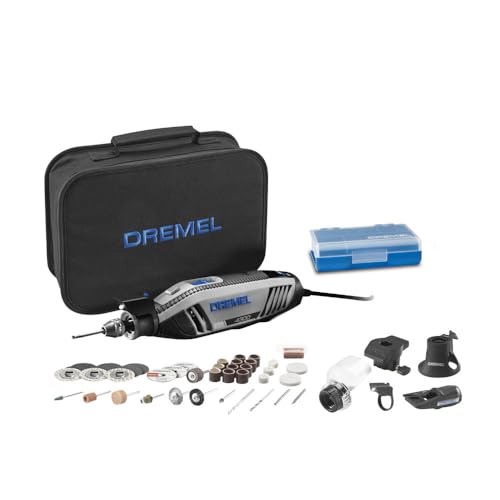
For fine detail (bear eyes, eagle beak shaping, hair lines), a variable-speed rotary tool with carbide burrs gives control no larger tool can match. The 4300 accepts a huge range of bits and runs quietly enough to use in a garage without ear protection.
What we like
Variable speed matches the material: slow on eyes, fast on shaping
Accepts 100+ attachment types including carbide burrs and sanding bands
Quiet enough to run indoors without hearing protection
What to know
Carbide burrs sold separately; add $20–40 for a starter set
Not for bulk material removal; use the Kutzall disc for that first
Fresh-carved green wood will crack badly if it dries too fast. Applying an end-grain sealer within 24 hours slows moisture loss and prevents the checks (cracks) that radiate out from cut ends and ruin beginner work. Outdoor sculptures also need UV protection and water resistance; without it, paint peels and wood grays within a season. A penetrating oil finish soaks in instead of sitting on the surface, which means it recoats without stripping. Two applications a year keeps a carving looking good for a decade.
Best starter
UC Coatings
Anchorseal 2 Green Wood Sealer (quart)
$
★★★★★Our rating
The standard green-wood end-grain sealer used by professional turners and carvers. Apply to all cut ends immediately after carving; it slows moisture loss enough to prevent the major cracking that ruins beginner work. A quart covers dozens of carvings and lasts months at beginner volume.
What we like
Industry standard for preventing end-grain cracking in green wood
One quart covers dozens of carvings, months of supply at beginner pace
Water-based, brushes on fast and cleans up easily
What to know
Only works on fresh unsealed wood; can't apply over dry or finished surfaces
Apply within 24 hours of carving; effectiveness drops significantly after
The outdoor finish most chainsaw carvers who display or sell their work reach for. It penetrates instead of filming, so it never peels; just recoat every 1–2 years. UV inhibitors prevent graying; mildewcide handles the green tint that shows up on shaded sculptures.
What we like
Penetrating formula never peels or bubbles; just recoat when dull
UV inhibitors and mildewcide protect outdoor work for 1–2 seasons
Enhances natural wood grain with a warm amber tone carvers prefer
What to know
Wood must be fully dry (under 18% moisture) before application
Two coats required on porous wood; first coat absorbs almost immediately
Chainsaw carving looks intimidating from the outside, and it should. But the learning curve is front-loaded: once you understand how the saw cuts, what the wood wants to do, and how to read a piece as it takes shape, the whole thing clicks faster than most wood crafts.
Chainsaw carving attracts a particular kind of person: someone who looks at a raw log and sees a bear or an eagle or a mushroom hiding inside it, and who doesn’t mind the noise, the chips, and the learning curve involved in getting it out. If that’s you, you’re in the right place.
The first 10 hours are about building one skill: learning to read the wood and trust the saw. Nothing else matters yet.
You already know the safety gear is non-negotiable: chaps, helmet with face shield, ear muffs, gloves, solid boots. Set those aside for a moment.
The other thing you need before your first session is the right wood. Cottonwood, white pine, basswood, and western red cedar are the beginner-friendly species. They’re soft, they cut cleanly, and they’re forgiving when you make a mistake (you will). Cottonwood is particularly popular with chainsaw carvers because it’s cheap (often free from tree services), widely available, and holds detail well once dry.
Avoid oak, elm, and maple until you’ve put real time in. They’re harder, they strain your saw, and they don’t forgive careless cuts.
Log size for beginners: 12–16 inches in diameter, 2–4 feet tall. Big enough to practice shaping, small enough that a mistake doesn’t ruin three hours of work.
Hour 1–2: Understanding how the saw cuts wood
Before you try to carve anything, spend time just cutting. Make straight plunge cuts. Make curved cuts. Learn how the bar behaves when you tilt it at different angles.
The critical concept for carving (versus felling) is the kickback zone, the upper quarter of the bar tip. When the tip contacts wood, the saw can kick back toward you with startling speed. Your Oregon Micro-Lite bar is designed to reduce this zone, but you still need to respect it. Never let the tip contact wood unexpectedly.
Most beginner cuts use the bottom edge of the bar, not the tip. This is what lets you do plunge cuts (pushing the bar straight into the wood to define a shape), and it’s the move that unlocks chainsaw carving.
Practice this sequence until it feels natural:
Start the cut with the bottom of the bar
Push forward into the wood in a controlled, deliberate motion
Extract the bar cleanly; don’t twist or lever it out
Hour 3–5: Your first subject
Start with a mushroom or a simple owl. These are the two shapes that teach the most and forgive the most. The mushroom teaches blocking, rounded surfaces, and finishing; the owl teaches how to carve a face shape with depth.
The blocking phase is everything. Before you try to carve a cap, establish the overall shape with large aggressive cuts. Think of it like roughing out a shape in clay before adding detail. Most beginners get impatient here and try to detail before the rough form is established, the sculpture never looks right as a result.
For a mushroom:
Cut the cap shape first (a dome roughly 40% of the log height)
Define the stem by removing wood from all four sides
Establish the gills with a series of angled cuts under the cap
Go back and refine once the major shapes are in
The saw removes wood in big chunks. That’s its job. Let it. The detail comes later with the angle grinder and Kutzall disc.
Hour 6–8: Detail tools
By this point your shape is blocked out and you’re ready for texture and detail. This is where the angle grinder with a Kutzall carving disc earns its place in your kit.
The Kutzall disc does things the chainsaw can’t: it creates fur texture, smooths curved transitions, and reaches places the bar can’t maneuver into. Run it at full grinder speed for bulk removal and slow down for fine areas.
A few technique notes:
Move the disc constantly; stopping in one spot burns and discolors the wood
Work with the grain when you want smooth surfaces; across the grain for texture
Start coarser than you think you need; you can always go finer, but you can’t put wood back
For the mushroom’s gills: drag the Kutzall disc along the undercut lines you made with the chainsaw, deepening and smoothing them. For the cap surface: circular, overlapping passes create a smooth dome.
Hour 8–10: Finishing and sealing
Sand the areas you want smooth (150–220 grit), leave the textured areas alone. Most carvers sand the cap and face, then leave bark texture or Kutzall texture on everything else; the contrast looks intentional.
Apply Anchorseal to all cut ends within 24 hours. Freshly carved green wood wants to lose moisture from its ends faster than the rest of the piece, and the resulting tension causes cracks. Anchorseal slows this down enough that most carving dries without major checking.
If you’re displaying the piece outdoors, let it dry fully (4–8 weeks for a 14-inch piece in warm weather), then apply two coats of Cabot Australian Timber Oil. It penetrates and protects without the peeling that surface finishes develop.
The first piece won’t be your best. It doesn’t need to be. Its job is to teach you how the saw moves in wood, how wood pushes back, and where your instincts for shape are strong or weak. Carve a second piece from that knowledge.
Save your money
What you don't need yet
Beginners get pressured to buy a lot of stuff that doesn't help them play
better. Here's what we'd skip on day one.
A dedicated carving chainsaw — Specialty saws like the Husqvarna 440e or Stihl MS 150 are real tools, but a 14–16 inch general-purpose saw with a Micro-Lite bar handles all beginner work just as well.
A log dog or professional vise system — Useful once you're working on large commissions. For the first few months, spiking logs to a wooden pallet or simple X-stand works fine.
A pressure washer for bark removal — Carvers use these to clean freshly carved work quickly. A stiff brush and hose does it fine until you're moving faster than manual cleaning allows.
Air-powered carving tools — Powerful and used by professionals, but requires a compressor and air-line management. A Dremel gives you 90% of the capability with none of the setup.
Carbide-tipped chainsaw chains — Designed for cutting through rock-embedded and nail-filled wood. For clean sculpting logs, a standard full-chisel chain is sharper and more controllable.
First week
Your first seven days
A short, real plan to get from gear-on-doorstep to actually playing.
Order your safety gear before the saw arrives. Chaps especially. · Buy
How much does it actually cost to start chainsaw carving?
Realistically $500–900 for a complete setup: starter chainsaw ($200–350), safety gear ($150–200), carving bar ($40–70), and finishing supplies ($40–80). You can start cheaper if you already own a compatible saw.
Is chainsaw carving dangerous for beginners?
It carries real risk, but the risks are well understood and largely preventable. Chainsaw chaps stop most leg injuries in kickback scenarios. A helmet and face shield handle flying chips. Most beginner injuries happen to people who skipped the safety gear.
Do I need a gas saw, or will battery-powered work?
For beginner work (softwoods, logs under 16 inches), a battery saw is genuinely fine. Gas gives more power for large sculptures and hardwoods, but the maintenance overhead is real. Start battery-powered unless you know you'll be carving large-scale from day one.
What wood is best to start with?
Cottonwood, basswood, white pine, and western red cedar are the beginner-friendly species: soft, consistent grain, forgiving to detail work. Many carvers get free logs from local tree services. Avoid oak, maple, and hardwoods until you're comfortable with your tools.
How long does it take to get decent at chainsaw carving?
You can carve a recognizable subject in your first session with a good tutorial. Comfortable control of the saw takes 10–20 hours. Work you'd want to sell or display is typically 50–100 hours in, depending on how consistently you practice.
What's the best first subject to carve?
A mushroom or a simple bear face. Mushrooms teach plunge cuts and shaping; bear faces teach rough blocking and the transition to detail tools. Both are forgiving enough that they still look finished when you're done.
Chainsaw Sculpture Network (CSCN) — Industry association for competitive and professional chainsaw carvers. Event calendar, member resources, and technique guides.
r/ChainsawCarving — Active beginner community. Post photos of your first attempts; feedback is warm and genuinely helpful.
Oregon Products: Bar & Chain Guide — Oregon makes most of the world's carving bars and chains. Their resources include bar spec charts and chain selection guides by saw model.
Wood Carvers of America — Broader woodcarving organization with chainsaw-specific events. Beginner-friendly atmosphere at in-person meetups.
As an Amazon Associate, JustBeginning earns from qualifying purchases.
We may also earn commission from other affiliate programs linked on this
page. Editorial recommendations are independent; we don't choose
products based on commission rates.
Product prices and availability are accurate as of the date and time
indicated and are subject to change. Any price and availability
information shown on Amazon at the time of purchase will apply.
Our top pickHusqvarna 120i 14-inch Battery Chainsaw


 Best starter